Why does nutrition play such a vital role in skin health?
Nutrition serves as a foundational pillar for skin health because the skin is a highly metabolic organ that requires constant cellular turnover and repair. While external factors like UV radiation, atmospheric pollution, and heat contribute significantly to skin degradation, internal nutritional status determines how effectively the body can defend itself and rebuild tissue.
As the body ages, the natural production of collagen—the protein responsible for structural integrity—gradually declines. This reduction leads to the formation of wrinkles and a noticeable loss of elasticity. Nutritional interventions aim to mitigate these effects by providing the building blocks for collagen synthesis and protecting existing structures from damage.
The dual impact of internal and external aging factors
Skin aging is driven by two distinct processes: intrinsic aging and extrinsic aging. Intrinsic aging is the biological clock that dictates the gradual slowing of cellular regeneration. Extrinsic aging, however, is accelerated by environmental stressors. When nutrition is optimized, the body is better equipped to handle these external aggressors, effectively slowing the visible progression of extrinsic damage.
How do colorful fruits and vegetables protect the skin?
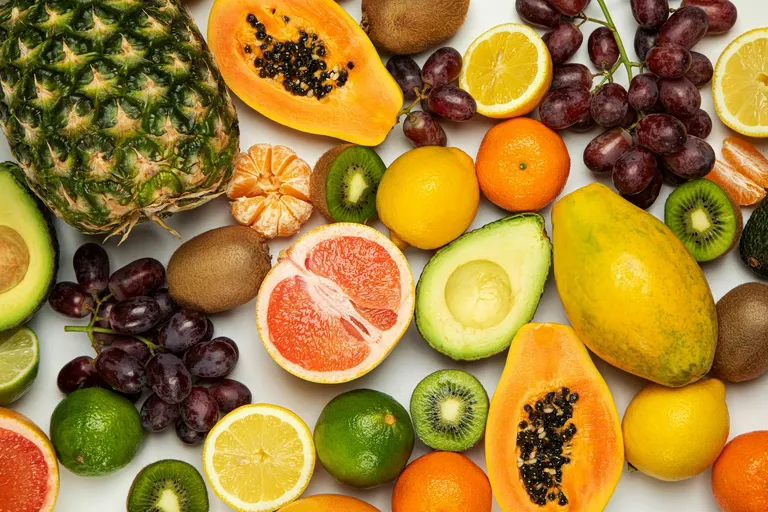
Colorful fruits and vegetables are primary sources of antioxidants that combat oxidative stress, a major driver of cellular damage. Specific pigments found in these foods act as biological shields, protecting the skin's delicate structures from the inside out.
Carrots, tomatoes, peppers, citrus fruits, and mangoes are particularly beneficial due to their high concentrations of carotenoids and essential vitamins. For instance, beta-carotene and lycopene are potent antioxidants that help neutralize free radicals. Furthermore, Vitamin C is a non-negotiable component for skin health, as it is a required cofactor for collagen synthesis and functions as a powerful antioxidant in its own right.
Vitamin A, which the body can derive from converting beta-carotene, is also critical for the healthy development and functional maintenance of skin cells. The diversity of colors in a plant-based diet ensures a broad spectrum of these protective micronutrients.
Evidence regarding mango consumption and wrinkles
Specific dietary components have shown measurable, albeit nuanced, benefits in clinical settings. According to a study published in the journal *Nutrients* involving postmenopausal women, the consumption of 85 grams of mango four times a week over a 16-week period was associated with improvements in certain wrinkle indicators. However, experts caution that these findings require further validation and emphasize that no single fruit can serve as a standalone cure for the aging process.
What role do healthy fats and seeds play in skin maintenance?
Healthy fats, found in nuts, seeds, and fatty fish, are essential for maintaining the skin's moisture barrier and regulating internal inflammation. Without adequate lipid intake, the skin can become dehydrated and more susceptible to environmental damage.
Nuts such as almonds and walnuts, along with various seeds, provide a rich source of Vitamin E. This fat-soluble vitamin is a key player in protecting cell membranes from oxidative damage. Additionally, unsaturated fatty acids are vital for supporting the skin's lipid barrier, which helps the epidermis retain moisture and prevents transepidermal water loss.
Fatty fish, including salmon, sardines, and mackerel, offer high concentrations of omega-3 fatty acids. These essential fats are known to help regulate inflammatory processes throughout the body. Researchers are also investigating the potential protective role of omega-3s against the damaging effects of solar radiation, suggesting they may provide a layer of internal defense against UV-induced harm.
How does the gut-skin axis influence dermatological health?
The connection between digestive health and skin appearance is increasingly recognized through the concept of the "gut-skin axis." This biological link suggests that the state of the intestinal microbiome can directly influence skin inflammation and clarity.
A diet rich in diverse plant-based foods—including legumes, fruits, vegetables, whole grains, herbs, and spices—promotes a diverse and healthy gut microbiome. A balanced microbial environment is essential for systemic health, which in turn reflects on the skin. Furthermore, fermented foods such as yogurt can introduce beneficial live microorganisms into the digestive system, potentially enhancing microbial diversity and supporting the gut-skin connection.
The importance of microbial diversity
Maintaining a wide variety of fiber-rich foods ensures that different species of beneficial bacteria in the gut are well-nourished. When the microbiome is imbalanced, it can lead to systemic inflammation, which often manifests in the skin as various dermatological issues. Therefore, dietary diversity is not just about nutrient intake, but about fostering a biological ecosystem that supports skin stability.
Can specific foods stop the aging process?
No single food or dietary habit can completely stop the aging process, as aging is a fundamental biological certainty. However, a systematic and balanced approach to nutrition can significantly support long-term skin health and resilience.
While nutrition provides the internal tools for repair and protection, it must be paired with external preventative measures. Experts emphasize that daily sun protection remains one of the most critical factors in preventing premature aging. Ultraviolet (UV) radiation is a primary driver of skin damage, and even the most nutrient-dense diet cannot fully offset the impact of unprotected sun exposure.
Key takeaways
- Antioxidants like Vitamin C and carotenoids protect skin cells from oxidative stress.
- Vitamin C is essential for the biological synthesis of collagen.
- Omega-3 fatty acids and Vitamin E support the skin's moisture barrier and reduce inflammation.
- The gut-skin axis links intestinal microbial diversity to skin health.
- Dietary improvements must be combined with UV protection for effective anti-aging.
FAQ: How nutrition affects skin
Can eating more mango improve my wrinkles?
A study in *Nutrients* suggested that consuming 85 grams of mango four times weekly for 16 weeks may improve certain wrinkle indicators in postmenopausal women. However, this does not mean mango is a miracle cure; it is part of a broader nutritional context.
Why is Vitamin C important for skin?
Vitamin C is vital because it acts as both an antioxidant and a necessary component for collagen synthesis. Without sufficient Vitamin C, the body cannot effectively produce the proteins required to maintain skin elasticity and structural integrity.
How do omega-3 fatty acids help the skin?
Omega-3 fatty acids, found in fish like salmon, help regulate inflammation and support the skin's lipid barrier. This helps the skin retain moisture and protects it from becoming overly dry or sensitive to environmental stressors.
Does gut health really affect my skin?
Yes, through the gut-skin axis, the diversity of your intestinal microbiome can influence skin health. A diet high in fiber and fermented foods supports a healthy gut, which can help mitigate skin inflammation.
Is diet enough to prevent skin aging?
Diet is a powerful ally, but it is not sufficient on its own. While nutrition supports cellular health, external factors like UV radiation are major contributors to aging, making daily sunscreen use essential alongside a healthy diet.
Conclusion
Optimizing nutrition is a proactive strategy for supporting skin health, though it is not a substitute for dermatological protection. By incorporating antioxidant-rich fruits, healthy fats, and fiber-diverse foods, individuals can provide their bodies with the necessary tools to maintain collagen levels and skin barrier function. While no diet can halt the natural progression of time, a balanced nutritional approach, combined with consistent sun protection, remains the most effective way to promote skin resilience and manage the visible signs of aging over the long term.