Specific Metro station closures in Athens and Thessaloniki
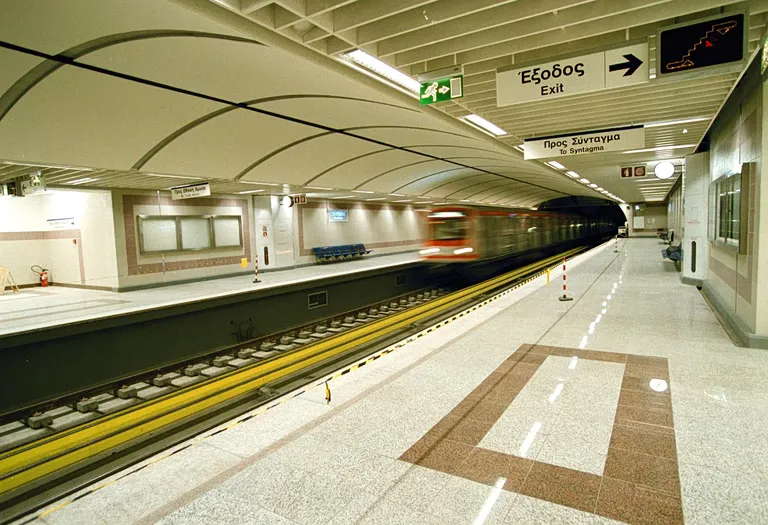
Major disruptions to the underground rail networks are currently in effect following orders from law enforcement agencies. In Athens, the Hellenic Police have mandated the closure of the 'Panepistimio' station on Line 2, effective from 10:00 AM on October 21, 2026. This measure is intended to manage the influx of demonstrators expected near the university district.
Thessaloniki is also facing significant service suspensions. According to local police authorities, the operation of several key stations has been temporarily halted starting at 09:00 AM. The affected stations in Thessaloniki include:
- Dimokratias
- Venizelou
- Agia Sophia
- Syntrivani
These closures are direct responses to the planned pan-educational rallies, which involve a broad coalition of participants, including medical doctors, students, and various public sector employees. Travelers are advised to monitor real-time updates as further station closures may be implemented by the authorities depending on the movement of the crowds.
Impact on Athens road traffic and driver guidance
Commuters driving in central Athens should prepare for significant delays and restricted access to key areas. Traffic police have issued formal requests for citizens to avoid traveling to the city center by private vehicle today. The presence of large-scale demonstrations is expected to make the streets surrounding Syntagma Square and Omonoia virtually impassable.
The primary areas of concern for motorists include the routes leading toward the Parliament building and the gathering points at the Presidential Palace. Because the protests are expected to move from the university areas toward the legislative center, road closures will likely be dynamic. Drivers should anticipate heavy congestion on all major arteries feeding into the central business district, as police implement traffic management protocols to maintain order during the marches.
Status of buses, trams, and other public transit modes
While the Metro faces targeted shutdowns, other forms of public transportation are currently expected to maintain regular operations. As of the latest updates, there have been no official announcements regarding strikes for buses, trolleybuses, or the electric railway (ISAP) and trams. These services are slated to run according to their standard schedules.
However, operational stability is not guaranteed. Commuters should remain aware of the following potential issues:
- Route modifications: Bus and trolley lines may be diverted to bypass protest march routes.
- Service delays: Heavy traffic and large crowds may slow down the frequency of arrivals.
- Sudden changes: Authorities may order emergency station or stop closures if demonstrations become too large for certain corridors.
The volatility of the protests, particularly the planned march toward the Parliament, means that while services are active, their reliability may fluctuate throughout the day.
Summary of protest participants and social context
The current transport disruptions are the result of a coordinated pan-educational protest involving multiple sectors of Greek society. This is not limited to students and teachers; the demonstrations also feature participation from university students, hospital doctors, and a wide range of public sector workers. The scale of these rallies suggests a significant social movement that requires heavy police presence and logistical adjustments.
As the demonstrations move through the urban landscape, the intersection of public protest and essential transit services creates a complex environment for the city's inhabitants. The focus of the movement appears to be centered on the core political and educational hubs of both Athens and Thessaloniki, necessitating the high level of coordination between transit operators and the Hellenic Police.
Frequently Asked Questions
Which Metro stations are closed in Athens today?
The 'Panepistimio' station on Line 2 is officially closed as of 10:00 AM on October 21, 2026. This closure was ordered by the Hellenic Police to manage the pan-educational protests. Additional stations may close unexpectedly based on the movement of demonstrators.
Are there Metro closures in Thessaloniki?
Yes, several stations in Thessaloniki are temporarily suspended. Starting from 09:00 AM, the 'Dimokratias', 'Venizelou', 'Agia Sophia', and 'Syntrivani' stations are not in operation. These measures were implemented by police authorities to ensure safety during the scheduled rallies.
Will buses and trams be running during the protests?
Buses and trams are expected to operate normally as no strikes have been announced for these specific modes. However, travelers should prepare for potential delays or route changes caused by the demonstrations and the resulting traffic congestion in central Athens.
Can I drive through central Athens today?
Driving in central Athens is strongly discouraged by the traffic police. Areas around Syntagma Square and Omonoia are expected to be inaccessible due to protests and traffic adjustments. It is recommended to avoid the city center by car to prevent significant delays.