
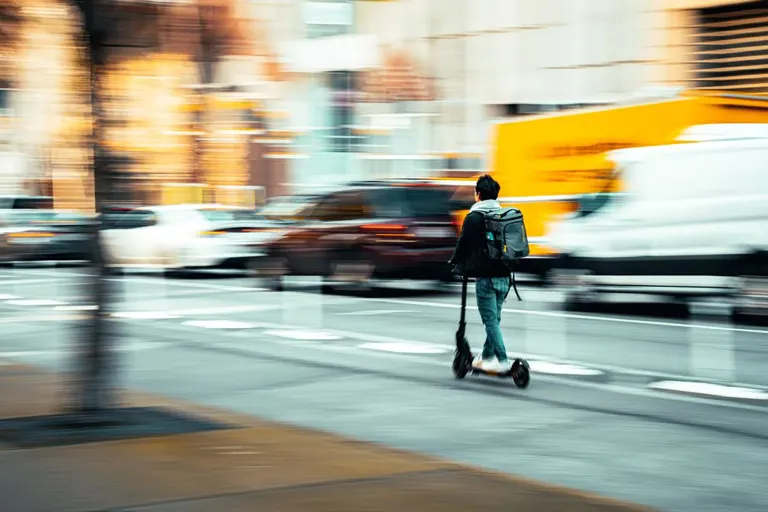
Economic and environmental advantages of electric micro-mobility
Transitioning from a traditional internal combustion engine vehicle to an electric bike (e-bike) or an e-scooter offers immediate financial relief for urban professionals. The cost-benefit analysis of micro-mobility is driven by the elimination of high-cost variables associated with car ownership in city centers.
- Zero fuel costs: Charging an e-bike battery costs only cents, providing enough autonomy to cover a full week of daily commutes.
- Time efficiency: During peak hours, electric micro-mobility devices can move at an average speed nearly double that of a car stuck in traffic, by utilizing bike lanes and alternative routes.
- Reduced environmental footprint: According to urban mobility data, using an e-bike for several thousand kilometers annually prevents tons of CO2 emissions and saves hundreds of liters of fossil fuels.
Beyond the direct savings on petrol, users also bypass costs related to tolls, frequent vehicle servicing, and the high price of urban parking.
Acquisition strategies for Black Friday 2026
The upcoming Black Friday period serves as a strategic entry point for integrating micro-mobility into daily routines through two distinct financial paths: direct purchase or flexible leasing.
Direct Purchase and State Subsidies
Major technology chains and specialized electric mobility retailers are expected to implement significant price reductions on popular models. Buyers can optimize these savings by combining Black Friday discounts with state subsidies provided through the "Kinoumai Ilektrika" (I Move Electrically) program via Gov.gr. This dual approach drastically lowers the total cost of acquisition for new electric hardware.
Micro-leasing and subscription models
For those concerned with the complexities of ownership, maintenance, and depreciation, micro-leasing offers a service-oriented alternative. Companies in the sector are providing specialized packages for e-bikes, scooters, and even microcars. These leasing agreements typically include:
- Full coverage for maintenance and technical repairs.
- The ability to swap vehicles or terminate contracts without long-term commitment.
- Theft insurance, which mitigates the risks associated with street parking.
| Feature | Direct Purchase | Micro-Leasing |
|---|---|---|
| Upfront Cost | Higher (mitigated by discounts/subsidies) | Low (monthly subscription) |
| Maintenance | User responsibility | Included in monthly fee |
| Flexibility | Low (ownership is permanent) | High (easy to switch or cancel) |
| Risk Management | User handles theft/damage | Insurance typically included |
The evolution of the Greek electric mobility market
The Greek market is entering a phase of maturity regarding electric and plug-in hybrid technologies. According to data from the Electric & Micro Mobility Festival 2026, electric and plug-in hybrid vehicles now account for nearly 15% of the monthly market share in Greece.
The total fleet of Battery Electric Vehicles (BEVs) is approaching 33,000 units. While infrastructure in major hubs like Athens and Thessaloniki still requires significant improvement, urban adaptation is visible in smaller cities such as Trikala. Furthermore, the European-wide discussion regarding the implementation of 30 km/h speed limits in urban zones is gaining momentum. Such regulations are expected to make the coexistence of cars and micro-mobility devices safer and more attractive for commuters.
Practical guide for transitioning to urban micro-mobility
Professionals looking to utilize the Black Friday 2026 offers should evaluate their specific commuting needs before committing to a specific mode of transport. The choice between an e-scooter and an e-bike depends largely on distance and terrain.
Distance and terrain considerations
For daily commutes of up to 5–8 kilometers, an e-scooter is a practical choice due to its portability and ease of bringing into an office. However, for longer distances exceeding 10 kilometers or routes involving significant inclines, an e-bike is recommended to provide greater stability, comfort, and safety.
Safety and testing protocols
Safety should not be compromised for cost savings. Essential equipment includes high-quality helmets and reflective gear, particularly for evening travel. Additionally, experts suggest a "test before you buy" approach: utilizing shared micro-mobility services or short-term monthly leasing contracts allows users to ensure the vehicle fits their specific daily route before making a permanent investment.
The future of urban transport dynamics
While the automobile will maintain its role in society, the exclusive use of cars in city centers is becoming an outdated and expensive habit. Micro-mobility provides a pathway toward freedom of movement, economic efficiency, and environmental responsibility. The Black Friday 2026 period represents not just a window for cheaper technology purchases, but an opportunity to invest in long-term quality of life by fundamentally changing how one navigates the urban environment.







