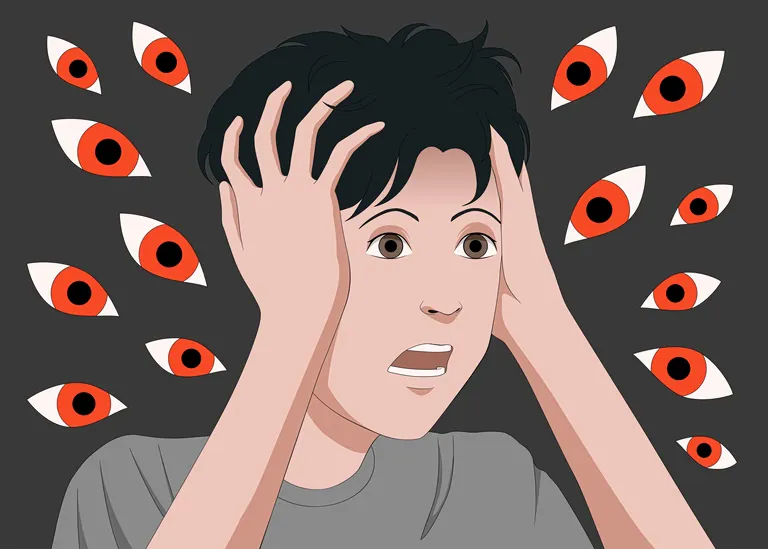
Defining the concept of "fear of maturity"
The fear of maturity is characterized by an individual's desire to avoid the specific responsibilities associated with adult life in favor of returning to a perceived safer period, such as childhood. This psychological state is not a single emotion but a cluster of anxieties related to the fundamental shifts in lifestyle and status that occur during the transition to adulthood.
Researchers identified several core drivers that contribute to this phenomenon:
- Financial independence: The pressure to secure stable income and manage personal finances without parental support.
- Professional pressure: The stress of navigating career paths and meeting workplace expectations.
- Family responsibilities: The perceived weight of caring for others or managing a household.
- Decision-making: The necessity of making significant, often irreversible, life choices regarding residence, career, and relationships.
By categorizing these stressors, the study was able to measure how these specific anxieties manifest differently across various life stages and generational cohorts.
Generational comparison: How millennials differ from predecessors
Millennials exhibited the highest levels of anxiety regarding adulthood when they first entered the phase, compared to both Generation X and Baby Boomers. To reach this conclusion, the study utilized a longitudinal approach, evaluating participants during their university years and then revisiting them after 10 and 20 years to track the evolution of their perspectives.
The research compared three distinct cohorts to establish a baseline for generational shifts in psychological readiness:
| Generation | Student Cohort Year | Context in Study |
|---|---|---|
| Baby Boomers | 1982 | Earliest tracked cohort |
| Generation X | 1992 | Middle cohort |
| Millennials | 2002 | Cohort with highest initial fear |
While the data shows that millennials start from a higher baseline of apprehension, the study provides a nuanced view of how these generations compare as they mature. The distinction lies not just in the intensity of the fear, but in the socioeconomic context that shapes the initial experience of entering the workforce and establishing independence.
Drivers of millennial anxiety and social pressures
Researchers suggest that several modern socioeconomic factors contribute to why millennials face a more daunting transition into adulthood. The study highlights that the environment in which a generation comes of age plays a critical role in their psychological perception of maturity.
Economic and social catalysts for fear
The transition to adulthood is not occurring in a vacuum; rather, it is influenced by systemic challenges that were less pronounced for previous generations. According to the researchers, the following factors are primary contributors to the heightened anxiety observed in the millennial cohort:
- Economic uncertainty: Fluctuating job markets and less predictable career trajectories.
- Housing affordability: Increased difficulty in purchasing property and establishing a permanent residence.
- Delayed social milestones: A trend toward postponing marriage, parenthood, and homeownership.
- Information exposure: Constant access to negative news cycles, which can exacerbate feelings of global and personal instability.
These elements create a cumulative effect, where the practical hurdles of adulthood are perceived as more significant obstacles than they were for the Baby Boomer or Generation X cohorts during their respective transitions.
The correlation between age and decreasing anxiety
Contrary to some scientific predictions that fear of adulthood might increase as responsibilities grow, the study found that fear actually decreases as people age. This trend was consistent across all three generations studied, suggesting that the process of aging provides a natural buffer against the initial terror of maturity.
The reduction in fear is attributed to several psychological and practical adaptations:
- Increased experience: Having faced similar challenges previously reduces the perceived threat of new responsibilities.
- Routine establishment: The creation of a stable daily life helps normalize the demands of adulthood.
- Professional growth: Career advancement often brings a greater sense of competence and mastery.
- Enhanced control: As individuals navigate life, they develop a stronger sense of agency over their circumstances.
The researchers compare this psychological shift to gradual exposure therapy. Just as repeated exposure to a feared stimulus can make it more manageable, the repeated navigation of adult responsibilities makes the concept of "being an adult" feel less overwhelming and more integrated into one's identity.
Why millennials remain more anxious than older generations
Despite the significant decline in fear that occurs with age, millennials generally maintain higher levels of anxiety compared to the older generations at the same age intervals. This suggests that while the aging process mitigates fear, it does not entirely erase the structural disadvantages faced by younger cohorts.
Scientists argue that the specific social and economic conditions of the current era have fundamentally altered the millennial perception of maturity. Even as they gain the experience and control that typically reduces anxiety, the baseline of their experience remains shaped by a more volatile global landscape. This results in a persistent gap where millennials, even when well-established, may still report higher levels of concern regarding their long-term stability and the future than their predecessors did at comparable stages of life.