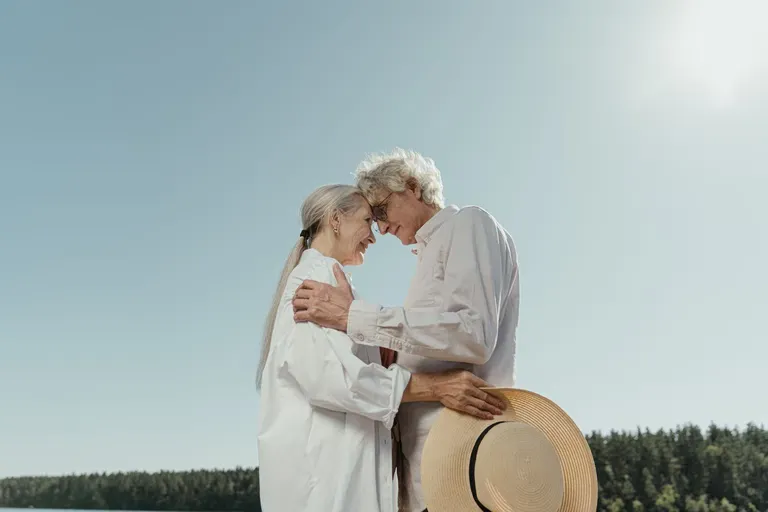
What drives the desire to live beyond 100?
The desire to continue living among centenarians is deeply divided, with specific psychological and physical factors acting as primary differentiators. According to the study published in Frontiers in Psychology, which analyzed 121 participants aged 100 or older, 31.4% of respondents expressed a clear desire to continue living, while 30.6% expressed the opposite sentiment. A significant portion of the group, representing 38%, remained neutral or did not take a definitive stance.
The researchers identified clear patterns behind these varying perspectives. Those who wished to extend their lives more frequently reported better physical health, a positive general attitude toward existence, the presence of at least one trusted individual in their lives, and a lower frequency of physical pain. Conversely, those with a diminished desire to live were more likely to experience loneliness, a loss of purpose, a sense of being no longer useful to society, and social withdrawal.
The correlation between health and will
While physical well-being is a significant factor, it is not the sole determinant of a centenarian's outlook. The study suggests that the intersection of physical comfort and mental resilience creates a foundation for a positive life perspective.
Why do trusted social connections matter more than social circles?
The quality of social relationships, rather than the quantity, serves as a critical predictor of life satisfaction in extreme old age. As individuals reach the age of 100, they often face the profound loss of friends, relatives, and lifelong companions, which naturally shrinks their social environment.
Interestingly, the study found that the total size of a person's social circle was not significantly linked to their desire to live. Instead, the decisive factor was the number of friends whom the participants considered "trusted." Having individuals with whom one can speak openly, share concerns, and feel understood provides a level of emotional security that mere social presence cannot replicate. These deep connections act as a buffer against the isolation and grief that often characterize advanced age.
In contrast, social isolation and loneliness were strongly linked to a decreased desire to live. For many elderly individuals, the feeling of being a "burden" to others—often stemming from a lack of meaningful, reciprocal connection—further exacerbates the sense of detachment from life.
Can psychological well-being persist despite health challenges?
Psychological well-being in centenarians is not exclusively dictated by physical health, suggesting a complex decoupling of body and mind in extreme old age. The research highlighted a nuanced distinction regarding how medical conditions affect the will to live.
While general perceptions of good health and the absence of frequent pain were positively correlated with a desire to continue living, other factors did not show a statistically significant correlation. Specifically, the presence of certain health problems, levels of fatigue, and functional abilities did not consistently predict a person's desire to live. This suggests that while physical difficulties certainly impact daily routines, they do not automatically diminish a person's mental satisfaction.
Resilience through small moments
The findings imply that even when physical limitations are present, centenarians can maintain a high quality of life by deriving satisfaction from relationships, personal experiences, and small, daily moments. This psychological resilience allows for a meaningful existence even when the body is failing.
How does spirituality influence the perception of aging?
Religious faith and spirituality play a significant role in how centenarians process the loss of control over their lives and bodies. The study observed that for many, spirituality provides a framework for understanding the inevitability of death and the progression of age.
Among the participants who did not express a clear desire to live longer, a vast majority referenced a belief in God. These individuals often explained that the duration of their lives was not within their personal control, effectively surrendering the anxiety of longevity to a higher power. According to the researchers, this acceptance of factors beyond one's control can contribute to better psychological adaptation during the aging process.
Notably, this group of spiritually inclined individuals displayed levels of life satisfaction comparable to those who explicitly stated they wanted to live longer. For these centenarians, faith serves as a vital source of comfort, hope, and meaning, especially when physical or social changes limit their sense of personal agency.
What are the key takeaways for living well after 100?
The study concludes that living well in extreme old age is a multidimensional achievement involving much more than medical intervention. It is a combination of emotional support, social trust, and the maintenance of a sense of purpose.
The findings do not claim that these factors guarantee a longer lifespan, but they do highlight what makes a long life worth living for those who have already reached it. Ultimately, the research suggests that the secret to longevity may lie in how much "life" is given to the years, rather than simply how many years are added to a life. Maintaining a sense of utility and staying connected to trusted individuals remain the most effective ways to navigate the complexities of the tenth decade.
Frequently asked questions
Does being healthy guarantee a longer life?
Not necessarily. While the study shows that good health and low pain levels are linked to a higher desire to live, it also found that many centenarians maintain high life satisfaction despite physical limitations, fatigue, or functional challenges, proving that mental well-being is distinct from physical state.
Is having many friends important for centenarians?
The quantity of friends is less important than the quality of those relationships. The research indicates that the number of "trusted" friends—those with whom a person can share deep concerns and feel understood—is the primary driver of emotional security and the desire to continue living.
How does loneliness affect the elderly?
Loneliness is a significant risk factor for a decreased desire to live. It is often linked to feelings of being a burden to others and a loss of meaning, which can lead to social withdrawal and a decline in overall psychological well-being.
Can spirituality help with the aging process?
Yes, spirituality can act as a powerful tool for psychological adaptation. By providing a sense of meaning and helping individuals accept things they cannot control, such as the natural progression of age and mortality, faith can offer comfort and stability.
What is the most important factor for life satisfaction after 100?
While several factors contribute, the study emphasizes that a sense of purpose, meaningful social connections, and a positive attitude toward life are crucial. Feeling useful and having trusted people to rely on are more predictive of satisfaction than mere physical health.
Key takeaways
- Social trust is more vital than the total number of social contacts for centenarians.
- A sense of purpose and feeling useful are linked to a higher desire to live.
- Physical health influences the will to live, but does not solely determine life satisfaction.
- Spirituality can facilitate better psychological adaptation to the aging process.
- Loneliness and feeling like a burden are major detractors from quality of life.
Conclusion
The study of 121 centenarians provides a profound shift in how we view the end of the human lifespan. It moves the conversation from a purely biological focus on survival to a psychological focus on fulfillment. By demonstrating that trust, purpose, and spiritual acceptance can outweigh the challenges of physical decline, the research offers a roadmap for aging with dignity. Ultimately, longevity is most meaningful when it is supported by a robust emotional infrastructure and a continued sense of connection to the world.