The return of Johnny Depp in a gothic A Christmas Carol
Johnny Depp returns to major Hollywood studio productions for the first time in eight years with the release of A Christmas Carol. Directed by Tim West, this 2026 American-British production offers a departure from traditional holiday fare by adopting a dark, gothic aesthetic inspired by the Victorian London of Charles Dickens. The film marks Depp's first significant role in this genre since his work in Charlie and the Chocolate Factory two decades ago.
The narrative follows the well-known story of Ebenezer Scrooge, the miserly protagonist who is visited by the ghosts of his past, present, and future. Rather than a standard festive tale, director Tim West—known for his work on horror titles such as MaXXXine and the X trilogy—infuses the story with elements of horror and dark humor. This approach attempts to bridge the gap between classic literature and a more atmospheric, almost teenage-oriented sensibility.
Cast performances and stylistic choices
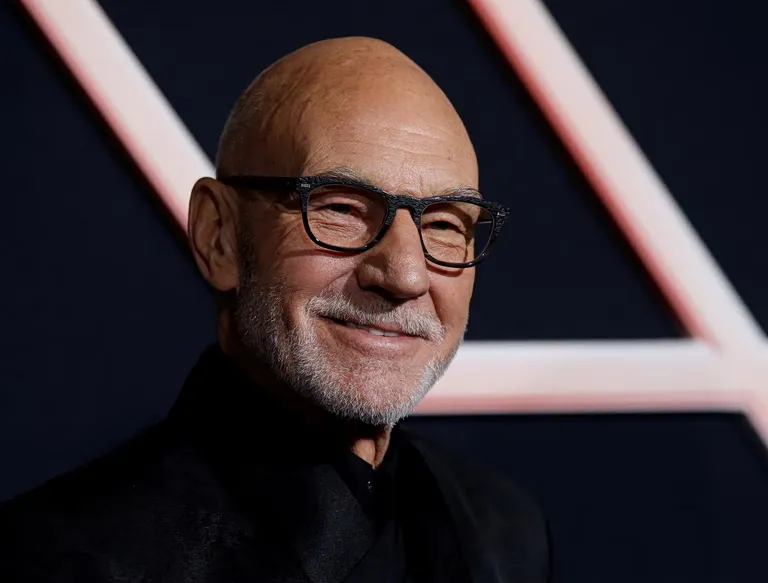
While the film's direction has been noted for some hesitation in its execution, the performances provide the production's core strength. Johnny Depp delivers a performance that avoids caricature, providing a spirited and occasionally delightful portrayal of Scrooge despite occasional exaggerations. The supporting cast includes notable actors such as Rupert Grint, Andréa Raizboro, Sam Claflin, Daisy Riddley, Tramell Tillman, and the veteran Ian McKellen, who plays a pivotal role in the production. The film's attempt to maintain a gothic atmosphere is generally successful, though some critics note that the dark humor occasionally leans toward a grey, uncertain tone.
Godzilla Minus Zero: A massive scale spectacle
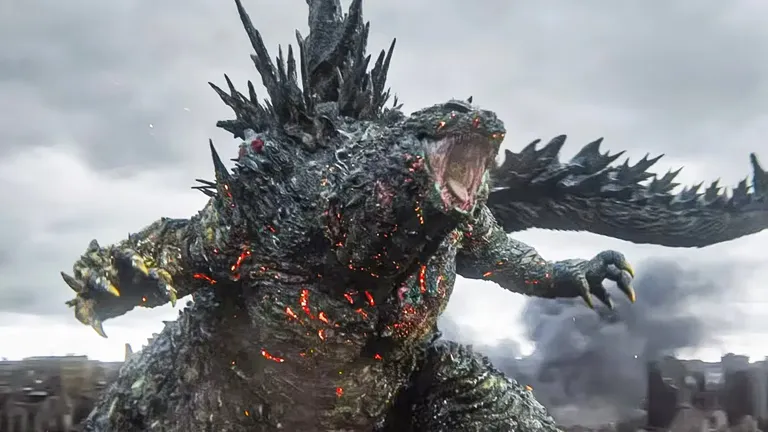
Godzilla Minus Zero, the 2026 Japanese fantasy adventure directed by Takashi Yamazaki, brings the massive scale of the Godzilla franchise to international audiences. Serving as a sequel to the 2023 production Godzilla Minus One, this 34th film in the Toho franchise focuses on the aftermath of war in 1949 Japan. The story introduces a new catastrophic threat in the form of King Ghidorah, forcing survivors to confront the lingering trauma of conflict.
The film is specifically designed for the IMAX experience, emphasizing scale and visual impact. The technical execution is a primary highlight, featuring sophisticated digital effects, cinematography, and sound design that enhance the presence of the monsters. According to the production details, the film aims to provide a sense of terror and chaos that justifies its large-scale spectacle. The battle is described as relentless, requiring the sacrifice of many for the sake of survival.
| Feature | Details |
|---|---|
| Director | Takashi Yamazaki |
| Lead Cast | Ryunosuke Kamiki, Minami Hamabe, Yuki Yamada, Kuranosuke Sasaki, Jun Kunimura |
| Primary Threat | King Ghidorah |
| Setting | 1949 Japan (Post-war era) |
| Technical Focus | IMAX, Digital Effects |
Despite its visual achievements, the film faces criticism regarding its narrative depth. While the destruction and monster battles are highly effective, the film struggles to deeply explore the post-war psychological wounds of the Japanese society it depicts. The script often remains on the surface, and the melodrama is sometimes viewed as excessive, contributing to a pacing that can feel uneven due to unnecessary subplots. The film demonstrates that for this franchise, the spectacle has become a matter of scale: the larger and more terrifying, the more attractive it becomes.
International drama: The Slovakian film Father
The week's releases also include the Slovakian film Father, which is making an impression alongside the larger blockbusters. This dramatic film explores the profound psychological trauma and the heavy emotional stakes of its characters. While it lacks the explosive scale of the Godzilla franchise, it provides a stark contrast through its focus on human stories and the complexities of existence.
The production highlights the tension between individual suffering and the desire to move forward. Much like the themes of loss and guilt present in the post-war setting of Godzilla, Father delves into the emotional consequences of life-altering events, offering a more intimate look at the human condition compared to the high-octane genre pieces of the week.
Comparing the week's cinematic trends
The current slate of new movies demonstrates a clear divide between high-concept genre pieces and character-centric dramas. On one hand, productions like Godzilla Minus Zero and A Christmas Carol utilize specific genre tropes—kaiju destruction and gothic horror—to attract audiences through visual and atmospheric novelty. These films often prioritize the 'experience' of cinema, such as the use of IMAX or specific stylistic shifts in classic tales.
On the other hand, the inclusion of international dramas like Father represents a trend toward exploring deep-seated human fears and societal traumas. While the blockbuster entries struggle with balancing spectacle and depth, the international dramas appear to lean entirely into the emotional weight of their subjects. This variety ensures that the current cinematic landscape caters to both those seeking escapism and those looking for intense psychological exploration.