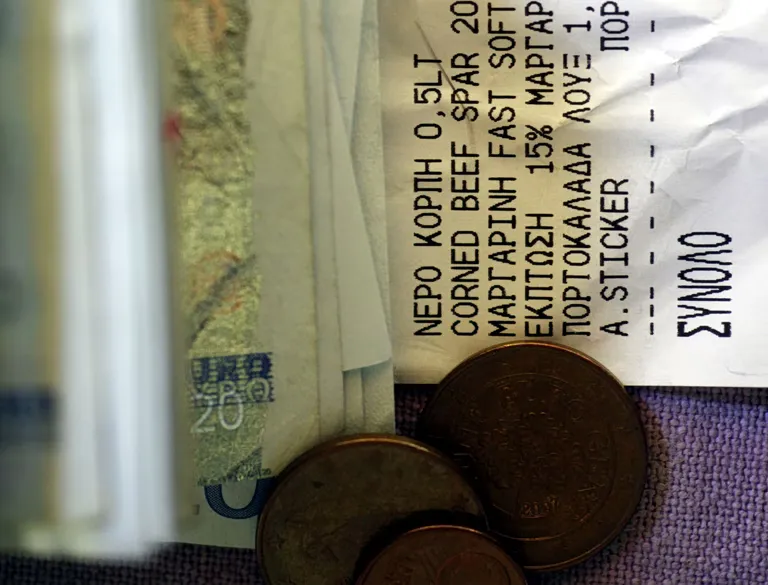
How does the new tax-free tip limit work?
The fundamental change in the regulation is the transition from a monthly exemption ceiling to an annual aggregate limit. Previously, workers could only claim a tax exemption on up to €300 of tips received each month, which effectively capped the yearly tax-free amount at €3,600 for those working a full twelve months.
Under the new framework, the exemption is raised to a total of €6,000 per year. Crucially, the government has removed the strict monthly cap that previously constrained workers. This allows for much greater flexibility, especially for those whose income fluctuates significantly throughout the year. Instead of being limited by what they earn in a specific month, workers can now accumulate their tips throughout the year up to the €6,000 threshold without incurring income tax on those amounts.
The shift from monthly to annual calculations
The previous system was rigid. If a waiter earned €500 in tips during a busy July, the €200 excess over the €300 monthly limit would be subject to income tax. Conversely, if they earned only €100 in January, the unused €200 of exemption could not be 'carried forward' to cover the July excess. The new annual system eliminates this inefficiency by looking at the total yearly sum, ensuring that high-earning months do not trigger unnecessary tax liabilities as long as the total stays below the €6,000 mark.
Who benefits most from these changes?
The primary beneficiaries are workers in the tourism, hospitality, and delivery sectors, particularly those on seasonal or project-based contracts. Because the new limit is an annual total rather than a monthly one, it is tailor-made for the cyclical nature of the service industry.
For instance, a seasonal worker in a tourist resort might only work for six months of the year. Under the old rules, even if they earned €1,000 in tips every month during that period, they could only claim €300 per month as tax-free, totaling an exemption of just €1,800. With the new €6,000 annual limit, that same worker can receive the full €6,000 in tips over those six months entirely tax-free. This represents a massive increase in take-home pay for those working during peak seasons.
- Hotel and Restaurant Staff: Employees in high-traffic tourist areas benefit from the ability to aggregate high seasonal earnings.
- Delivery Services: Couriers and delivery personnel often see volatile tip income that is now better protected.
- Freelancers and Independent Contractors: The exemption now explicitly extends to those working under service or project-based contracts, not just traditional salaried employees.
What are the legal exclusions for the exemption?
The tax exemption applies strictly to voluntary gratuities provided by customers and does not cover any payments that are structured as part of a formal employment agreement. To prevent the circumvention of tax laws, the regulation maintains a clear distinction between a 'tip' and 'regular income.'
The exemption does not apply to any payments that are characterized as a fixed percentage of a salary or daily wage. Furthermore, any amount that is established through a formal individual employment contract, a collective bargaining agreement, or a legal arbitration decision is excluded from this tax-free status. These payments are considered regular wages and must be taxed accordingly.
Distinguishing tips from wages
The distinction is vital for tax compliance. A tip must be an irregular, voluntary payment made by a client. If a business were to implement a policy where every waiter receives a mandatory 'service charge' that is then distributed as a fixed amount, the tax authorities would likely classify this as regular income rather than a voluntary tip, making it ineligible for the €6,000 exemption.
What is the legislative context of this reform?
This change is part of a larger legislative package currently under consultation by the Ministry of National Economy and Finance. The bill includes various tax measures aligned with International Monetary Fund (IMF) recommendations and is designed to modernize the taxation of service-based income.
It is also important to note the historical context of tip taxation. Until 2024, tips paid electronically via Point of Sale (POS) terminals were often taxed in their entirety. The introduction of the tax-free threshold in 2024 was a significant step toward recognizing the nature of gratuities, and the 2026 expansion represents a further refinement of this policy to better support the workforce.
Frequently asked questions
Is the new tip exemption retroactive?
Yes, the new regulation applies retroactively to all income earned starting from January 1, 2026. This means that workers can benefit from the higher €6,000 annual limit for the entirety of the current tax year, providing immediate financial relief for the service sector.
Does the exemption apply to electronic tips?
Yes, the exemption covers tips regardless of the payment method. The previous issues regarding the full taxation of POS-based tips have been addressed by the framework that established the tax-free threshold, which has now been expanded under the new law.
Can I receive more than €6,000 in tips?
Yes, you can receive more than €6,000 in tips, but any amount exceeding that annual threshold will be subject to standard income tax. The €6,000 figure represents the maximum amount that remains entirely exempt from taxation per year.
Does this apply to freelancers?
Yes, the new provisions explicitly extend the tax-free exemption to individuals working under independent service contracts or project-based agreements. This ensures that the benefits of the reform reach a wider range of workers in the modern gig and service economies.
What happens if my tips are part of my contract?
If your tips are defined as a fixed amount or a fixed percentage of your salary within an employment contract or collective agreement, they are not considered voluntary gratuities. In such cases, they are treated as regular taxable wages and do not qualify for the exemption.
Key takeaways
- The annual tax-free limit for voluntary tips has increased from €3,600 to €6,000.
- The new rules apply retroactively to all income earned since January 1, 2026.
- The exemption has shifted from a monthly cap to a flexible annual aggregate limit.
- Seasonal workers in tourism and hospitality benefit most from the removal of monthly limits.
- The reform includes workers on independent service and project-based contracts.
Conclusion
The transition from a monthly €300 cap to a €6,000 annual threshold marks a significant shift in how gratuities are treated for tax purposes. By moving to an annual model, the legislation acknowledges the seasonal and irregular nature of income in the hospitality and tourism industries. This change provides substantial relief for workers who experience high-income peaks, ensuring they retain more of their earnings. While the distinction between voluntary tips and contractual wages remains strict to prevent abuse, the expanded limit offers a much-needed boost to the disposable income of service sector employees across the country.