What is the scale of the 'Paidiki Chara' NGO fraud case?
The investigation into the 'Paidiki Chara' NGO has uncovered a massive discrepancy between funds raised and funds distributed to families in need. According to recent investigative findings, the organization managed to collect a total of €3.9 million through a series of 92 different fundraising actions. However, only €1.1 million of that total actually reached the families of children facing severe health crises.
This leaves a deficit of approximately €2.8 million, a figure that investigators believe was diverted for the personal benefit of the organization's leaders. The 37-year-old founder is currently facing questioning by investigators regarding the alleged misuse of these funds. While the wife of the founder, a 35-year-old, previously questioned the total amount of embezzlement—suggesting it was closer to €900,000—the discrepancy remains a central pillar of the criminal case.
Allegations of lifestyle inflation and gambling
The prosecution alleges that the diverted funds were not merely lost to mismanagement but were intentionally spent on luxury items and personal indulgence. Reports suggest that the stolen money financed expensive international travel, high-end designer handbags, and stays at luxury hotels. Furthermore, during her interrogation, the 35-year-old co-accused alleged that her husband suffered from a gambling addiction and had lost significant portions of the organization's funds through betting activities.
How did the perpetrators target vulnerable families?
The fraud was predicated on a predatory approach toward parents of children undergoing treatment in pediatric oncology wards. Investigative evidence suggests that the 35-year-old female accomplice frequently visited these hospitals specifically to 'scout' for families. Her objective was to identify parents who appeared to be in particularly precarious financial situations, making them more susceptible to the charity's pitch.
The duo employed a sophisticated method of deception to maintain a veneer of legitimacy while operating their scheme. The woman would approach parents under the guise of being an acquaintance of the NGO rather than a director, presenting the 'Paidiki Chara' organization as a helpful resource. To further distance themselves from the criminal activity, she would often act as a mediator, telling the founder, 'I have a family suffering here; please intervene to help them,' even while standing directly in front of the victims.
What deceptive tactics were used during fundraising?
The organization utilized several manipulative techniques to ensure that donations were collected while simultaneously obscuring the paper trail and minimizing the actual aid provided to families.
- Identity manipulation: The 37-year-old founder reportedly instructed parents to change their contact details during fundraising. He specifically advised them to use phone numbers they had never used before to prevent the information from being easily traced or shared publicly.
- Anonymity requests: Parents were told to claim that the NGO had never previously made public posts or announcements regarding their specific case, creating a false sense of exclusivity and urgency.
- Coerced documentation: To avoid legal repercussions, the organization allegedly forced parents to sign documents stating they had received the full amount of the funds raised. In reality, these families often received only 'crumbs' or very small amounts to cover basic expenses.
- False promises of future aid: Families were sometimes told that the funds being raised were a 'just in case' measure in the event that doctors decided to send their child abroad for specialized treatment.
The psychological manipulation of grieving parents
The cruelty of the scheme was highlighted by testimonies from victims. One mother from the Agrinio hospital described how the 35-year-old woman would approach her with extreme affection, even crying alongside her to build trust. The woman would then unilaterally post about the child on social media with 'Urgent' labels without the parents' consent. When the mother requested the post be removed, the woman would use guilt, asking, 'If the child needs to go abroad, where will you find the money then?'
What does the evidence reveal about the leadership's attitude?
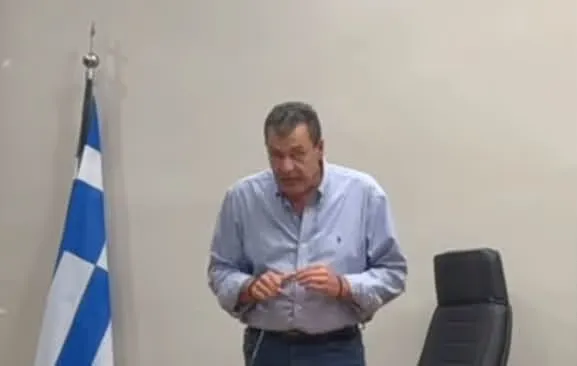
Leaked audio recordings and testimonies paint a picture of a leadership team that viewed donors and victims with contempt rather than empathy. One particularly damning audio document, released by the 'Live News' program on Mega, captures the 37-year-old founder speaking aggressively to a donor who was experiencing administrative delays in transferring funds.
In the recording, the founder is heard telling the donor, 'Put the money in so we can finish this, because you are tiring us out.' He dismissed the donor's explanations regarding the necessary bureaucratic processes of cultural associations, stating that he had 'too many things to do' to spend all day talking about the matter. This attitude suggests that the primary concern of the NGO leadership was the rapid accumulation of capital rather than the welfare of the children they claimed to serve.
Who is currently facing legal consequences?
The investigation has led to the arrest and processing of six individuals involved in the network. The primary targets are the 37-year-old founder and his 35-year-old wife. While the wife was previously detained, the founder is currently undergoing formal interrogation as the lead suspect in the embezzlement ring.
The remaining four members of the group have already been questioned by authorities. Following their statements, they were released under restrictive conditions, indicating that the investigation is focusing its primary weight on the central figures who managed the organization's finances and strategic outreach. The legal process continues as authorities work to reconcile the €2.9 million discrepancy and determine the full extent of the criminal conspiracy.
FAQ: NGO fraud case Greece
How much money was allegedly stolen in the 'Paidiki Chara' case?
Investigators believe that approximately €2.9 million was misappropriated. While the organization collected a total of €3.9 million through various fundraising efforts, only €1.1 million was actually distributed to the families of children suffering from serious medical conditions.
What methods did the NGO use to find victims?
The organization's leadership targeted pediatric oncology hospitals. A female accomplice would scout these wards to identify families facing financial hardship, using a deceptive approach to present the NGO as a helpful acquaintance rather than a formal entity.
How did the founder manage the donations?
The founder reportedly used several tactics to hide the money trail, including instructing parents to use new phone numbers and claiming that the NGO had no prior history of public posts. He also allegedly pressured families to sign documents falsely confirming they received full payments.
What was the founder's reaction to delayed donations?
Leaked audio reveals the founder was highly impatient and aggressive toward donors. He was recorded telling a donor to 'put the money in' and stop making excuses, expressing frustration that the administrative processes were taking up too much of his time.
Are there other people involved in the scandal?
Yes, a total of six individuals have been arrested in connection with the case. This includes the 37-year-old founder, his 35-year-old wife, and four other associates who have been released under restrictive conditions following their questioning.
Key takeaways
- The 'Paidiki Chara' NGO allegedly misappropriated €2.8 to €2.9 million of donated funds.
- Only €1.1 million out of €3.9 million collected reached the intended families.
- Perpetrators targeted vulnerable parents in pediatric oncology hospitals through deceptive scouting.
- The investigation involves six suspects, including the organization's founder and his wife.
Conclusion
The 'Paidiki Chara' scandal represents a profound breach of public trust, as the organization exploited the most vulnerable members of society—sick children and their grieving parents—for personal gain. By utilizing sophisticated psychological manipulation and deceptive administrative practices, the leadership was able to divert millions of euros intended for life-saving medical care toward luxury lifestyles. As the legal proceedings against the six suspects continue, the case serves as a stark reminder of the need for rigorous oversight and transparency within non-governmental organizations to prevent such predatory exploitation.