What are the main objectives of the pan-educational rallies?
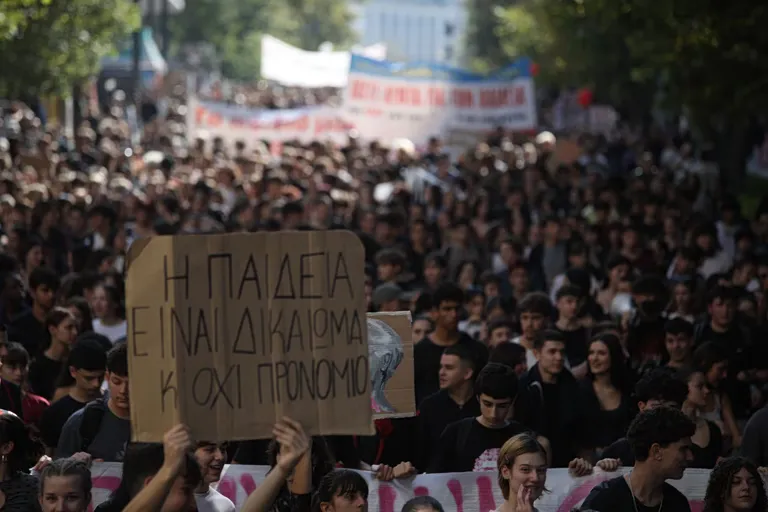
The primary objective of the current demonstrations is to safeguard the right to public and free education through increased state investment and structural reforms. Protesters are specifically targeting what they describe as the erosion of educational standards and the lack of adequate resources provided to the public school system.
According to the Coordinating Committee of Students in Athens, the movement seeks to prevent the government from implementing policies that require students to make sacrifices for political objectives. The demonstrators are focusing on several critical areas of concern:
- Constitutional Protections: A central point of contention is the opposition to the potential abolition of Article 16 of the Greek Constitution, which pertains to the state's role in education.
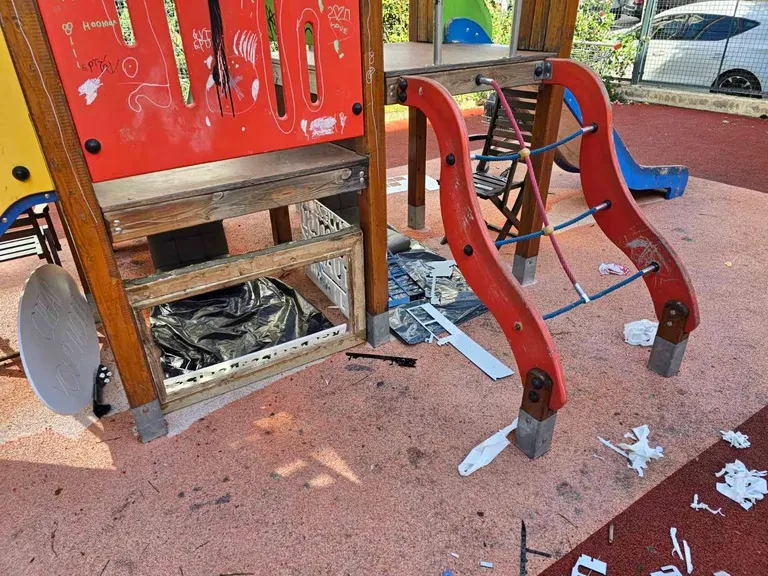
- Infrastructure and Funding: There is an urgent demand for sufficient funding to facilitate a comprehensive plan for inspecting and repairing school buildings.
- Staffing and Class Sizes: Protesters are calling for the full staffing of schools and a significant reduction in the number of students per classroom to improve learning environments.
- Curricular Changes: The movement opposes new frameworks regarding school excursions and the implementation of the National Diploma and "Triple Panhellenic" exams, which they argue create an exhausting academic environment.
Where and when are the demonstrations taking place?
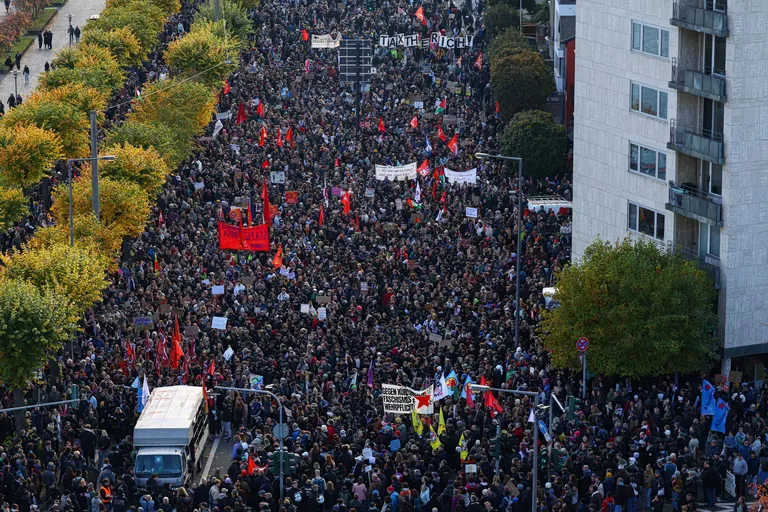
The demonstrations are scheduled to take place on November 5, 2026, with different cities hosting gatherings at various times throughout the morning. The mobilization is widespread, aiming to create a synchronized national presence.
| City | Location | Time |
|---|---|---|
| Athens | Propyllaea | 11:00 AM |
| Thessaloniki | Venizelos Monument | 11:00 AM |
| Patras | George Square | 10:30 AM |
While these specific locations are the primary hubs, organizers have indicated that similar gatherings are planned in several other cities across the country to ensure a broad geographic reach.
How is the OLME teachers' union participating?
The OLME (Greek Teachers' Union) has officially declared its support for the students and faculty by organizing a facilitating work stoppage. This action is intended to allow educators to participate in the rallies while demonstrating professional solidarity with the student body.
The union's participation is characterized by a formal stance against current government policies. According to an OLME statement, the union stands alongside students and university members in their fight for the right to education and a quality of life that reflects their worth. The union's grievances include:
The Union's stance on educational degradation
The OLME has expressed deep concern regarding the systemic issues facing the Greek education system. They argue that the government is leaving schools without necessary personnel and infrastructure, effectively placing an increasing burden on families. The union specifically highlights the "degradation of educational rights" caused by overcrowded classrooms and unsuitable building conditions. By joining the rallies, the union aims to amplify the voice of educators who refuse to accept the current trajectory of educational policy.
Why are protesters linking Greek issues to international movements?
The demonstrators have adopted the slogan "From Greece to France, we fight for public and free education!" to draw parallels between the socio-economic challenges facing students in both nations. This internationalist approach suggests that the struggles for educational funding and public services are part of a broader European trend.
The Coordinating Committee of Students in Athens has noted that while the specific political landscapes may differ, the "problems and the enemy" remain consistent. They argue that massive amounts of public funds are being directed toward military preparedness and NATO-related expenditures rather than being invested in social necessities like education and healthcare. This comparison serves to frame the local protest as a resistance against a global shift toward prioritizing defense spending over social welfare.
What are the economic arguments presented by the protesters?
Protesters are highlighting a perceived contradiction between the state's military spending and its educational budget. They argue that while billions are allocated to defense and equipment, the education sector is treated as a cost to be minimized rather than a social investment.
The movement also touches upon the broader economic hardship facing Greek households. Demonstrators have pointed to the rising cost of living, noting that families struggle to meet basic needs, such as school canteen expenses, due to inflation. They contrast this struggle with the reported high profits of certain sectors, including shipping, industry, and large-scale retail. For the protesters, the lack of educational funding is not merely a policy choice but a direct consequence of a political priority that favors commercial interests and military expansion over the well-being of the populace.
FAQ: Pan-educational rallies in Greece
What is the main reason for the protests?
The protests are driven by demands for public and free education, increased school funding, and the protection of Article 16 of the Greek Constitution. Students and teachers are also protesting against overcrowded classrooms and the lack of adequate school infrastructure and staffing.
When are the rallies scheduled to occur?
The rallies are taking place on November 5, 2026. Major gatherings in Athens and Thessaloniki are set for 11:00 AM, while the Patras gathering is scheduled for 10:30 AM.
Is the teachers' union involved in the movement?
Yes, the OLME has announced a facilitating work stoppage from 10:00 AM to 2:00 PM on November 5, 2026. This allows teachers to participate in the demonstrations and support the students' demands for better educational conditions.
How do the protesters view government spending?
Protesters argue that the government prioritizes military spending and defense equipment over essential social services. They demand that funds currently directed toward warfare be redirected toward education, healthcare, and social research to serve the needs of the people.
Are these protests happening only in Greece?
While the specific rallies mentioned are in Greece, the organizers have explicitly linked their movement to similar national mobilizations occurring in France, emphasizing a shared European struggle for public education rights.
Key takeaways
- Protests on November 5, 2026, target the defense of public and free education in Greece.
- Major demonstrations are organized in Athens, Thessaloniki, and Patras.
- The OLME teachers' union is participating via a facilitating work stoppage.
- Key demands include school infrastructure repairs and reduced class sizes.
- Protesters are calling for a shift in funding from military to educational sectors.
Conclusion
The pan-educational rallies in Greece represent a significant mobilization of students and educators against the perceived disinvestment in the public sector. By linking their local grievances—such as crumbling school infrastructure and constitutional concerns—to broader international movements, the protesters are framing education as a fundamental right under threat. The involvement of the OLME adds professional weight to the student-led movement, creating a unified front. As the demonstrations proceed, the central tension remains the conflict between state priorities regarding defense spending and the social necessity of a well-funded, accessible, and high-quality public education system.