How do oats and quinoa compare in protein content?
Quinoa holds a marginal advantage over oats when measuring protein by weight, though the difference is not substantial enough to make it a definitive winner. In a direct comparison of 40 grams of uncooked product, quinoa delivers approximately 5.6 grams of protein, while dry oat flakes provide roughly 5 grams.
It is important to consider that these measurements are based on dry weight before cooking. Because both grains absorb water differently during the boiling process, their final cooked weight and volume will vary significantly. Therefore, comparing them by weight before preparation offers a more consistent nutritional baseline.
Understanding complete proteins and dietary variety
A key distinction between these two foods lies in the amino acid profile. Quinoa is classified as a complete protein because it contains all nine essential amino acids that the human body cannot produce on its own. While oats are highly nutritious, they do not offer the same complete amino acid profile in a single serving.
However, having a complete protein source does not mean a small portion of quinoa can replace all other protein needs. For those looking to significantly increase protein intake, other sources such as eggs, yogurt, lentils, beans, or tofu typically offer much higher protein concentrations per serving. Maintaining a diverse diet is more effective for long-term health than relying solely on one grain.
Why are oats superior for dietary fiber intake?
Oats provide a much higher concentration of dietary fiber compared to quinoa, making them an excellent choice for digestive health and satiety. For every 40 grams of uncooked grain, oat flakes deliver approximately 4 grams of fiber, whereas quinoa provides only 2.8 grams.
The fiber in oats is particularly unique due to the presence of beta-glucans. These are a specific type of soluble fiber known for several health benefits:
- Slower Digestion: Beta-glucans help slow down the digestive process, which can lead to a longer-lasting feeling of fullness (satiety).
- Cholesterol Management: Research suggests that beta-glucans may contribute to the reduction of LDL cholesterol when consumed as part of a balanced diet.
Because of this high fiber density, oats are often a more practical choice for individuals looking to manage hunger or improve their lipid profiles through dietary adjustments.
What are the mineral differences between quinoa and oats?
Quinoa offers a more pronounced advantage over oats when looking at specific micronutrients, particularly magnesium and iron. In a 40-gram serving of uncooked quinoa, there is approximately 1.8 mg of iron, compared to 1.6 mg found in oats. While the iron difference is modest, the magnesium levels show a much clearer gap.
Quinoa contains roughly 79 mg of magnesium per 40-gram serving, whereas oats provide about 50 mg. Both grains provide non-heme iron, which is the form of iron found in plant-based foods. Unlike heme iron found in animal products, the absorption of non-heme iron is highly dependent on how the rest of the meal is composed.
Maximizing mineral absorption in your meals
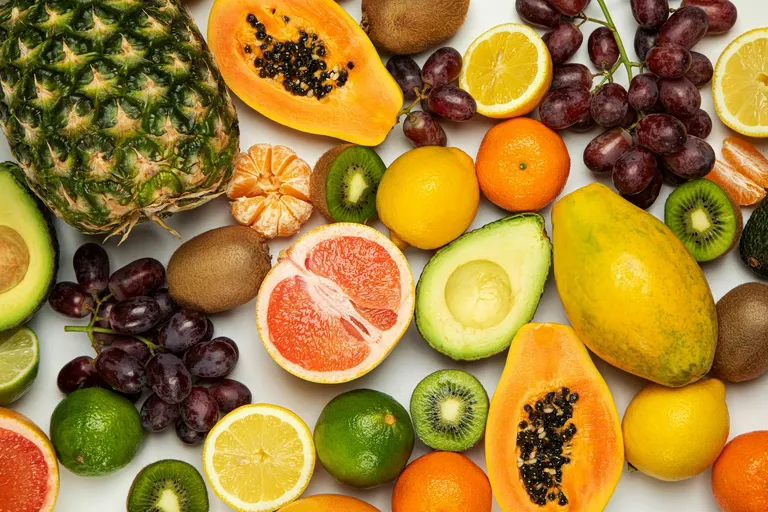
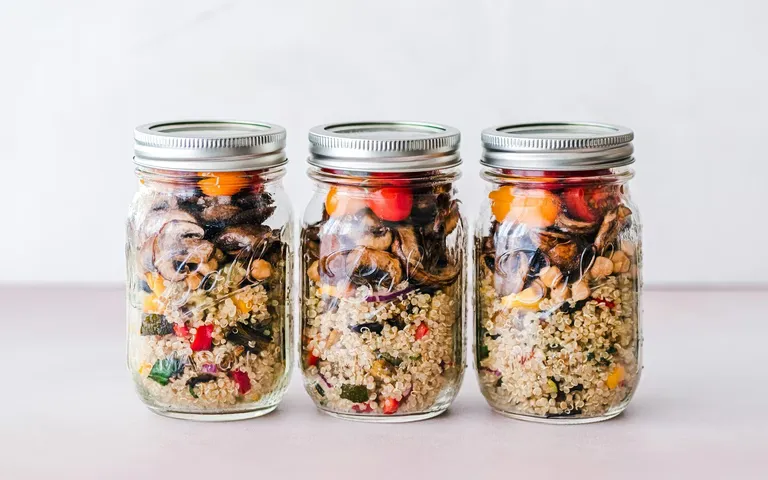
To ensure your body effectively utilizes the iron provided by these grains, you should pair them with foods high in Vitamin C. This simple culinary adjustment can significantly boost bioavailability. For example, if you are preparing a quinoa salad, adding bell peppers or a squeeze of lemon juice can help. Similarly, adding kiwi to an oat-based breakfast can enhance the absorption of the iron present in the oats.
How should you choose between oats and quinoa for your diet?
The decision between oats and quinoa often depends more on culinary application and personal preference than on a strict nutritional hierarchy. Because they possess different textures and flavors, they serve different roles in a kitchen and a meal plan.
Oats are characterized by a mild flavor and a creamy consistency when cooked, making them a staple for breakfast porridges and warm bowls. In contrast, quinoa has a more distinct, nutty flavor and a slightly granular, light texture, which makes it ideal for savory applications such as salads, side dishes, or grain bowls. Rather than viewing them as competitors, most nutritionists suggest treating them as complementary ingredients that can be rotated to provide variety in both taste and nutrient intake.
Frequently asked questions
Which is better for weight management: oats or quinoa?
Oats may have a slight edge for satiety due to their higher fiber content and the presence of beta-glucans, which slow digestion. However, both are excellent weight management tools when consumed in controlled portions as part of a balanced, nutrient-dense diet.
Can I replace oats with quinoa in my breakfast?
Yes, you can substitute quinoa for oats in breakfast preparations. While oats tend to be creamier, quinoa can be used to make savory breakfast bowls or even a textured porridge. The nutritional profile will shift slightly toward more protein and magnesium.
Is quinoa a better protein source than oats?
Quinoa is technically superior because it is a complete protein containing all nine essential amino acids. However, the actual difference in protein grams per serving is minimal (5.6g vs 5g in 40g portions), so the choice should depend on other dietary needs.
How can I increase the iron absorption from these grains?
You can increase iron absorption by consuming these grains alongside foods rich in Vitamin C. Adding citrus fruits, bell peppers, or berries to your meal helps convert non-heme iron into a form that is more easily absorbed by the body.
Are oats or quinoa better for digestion?
Oats are generally better for promoting regular digestion and satiety due to their higher fiber content. The soluble fiber in oats helps regulate the digestive tract and can assist in maintaining a healthy gut environment.
Key takeaways
- Quinoa provides a slight protein advantage with 5.6g per 40g compared to 5g in oats.
- Oats are superior for fiber, offering 4g per 40g compared to 2.8g in quinoa.
- Quinoa is a complete protein containing all nine essential amino acids.
- Quinoa contains significantly more magnesium (79mg) than oats (50mg) per 40g serving.
- Pairing both grains with Vitamin C enhances the absorption of their non-heme iron.
Conclusion
Choosing between oats and quinoa does not require a winner-takes-all approach. While quinoa excels in providing a complete amino acid profile and higher magnesium levels, oats remain a powerhouse for dietary fiber and cholesterol management. The most effective nutritional strategy is to utilize the unique strengths of both: use oats for creamy, fiber-rich breakfasts and quinoa for nutrient-dense, protein-complete salads and savory dishes. By rotating these two superfoods and pairing them with Vitamin C-rich ingredients, you can ensure a diverse and optimized intake of essential macronutrients and minerals.