
What is the core objective of the PASOK strategy in Attica?
The primary goal of the PASOK leadership is to achieve comprehensive territorial coverage across the Attica basin by early November. Nikos Androulakis has issued a specific directive to party officials to 'sweep' the region, ensuring that the party's presence is felt in all 60-plus municipalities within the metropolitan area. This approach is designed to move beyond traditional political gatherings and establish a direct, continuous connection with the electorate.
To achieve this, the party has transitioned from general campaigning to a more surgical method of engagement. This involves the deployment of 'strike teams'—specialized groups composed of both local and central party officials—who are tasked with visiting diverse social and economic environments. These teams are not limited to political rallies; they are actively penetrating labor markets, local shopping districts, traditional street markets, and municipal service hubs to facilitate direct dialogue with citizens.
Tactical deployment and regional focus
The mobilization is already showing signs of high-intensity activity. Recent interventions have been recorded in areas such as Agia Paraskevi, led by Mara Koukoudaki, and Kallithea, under the direction of Thanasis Glavinas. The schedule continues with planned engagements in Piraeus, demonstrating a systematic rollout designed to prevent any geographic gaps in the party's outreach. This 'sweep' is a direct response to previous electoral performance, where the party struggled to maintain a dominant footing in the capital's suburban and urban centers.
How does the October 18 event serve as a political milestone?
The scheduled event on October 18 is being positioned as a symbolic and strategic turning point for the movement. By selecting this date, the leadership is consciously invoking the historical memory of the party's first major electoral success in 1981. The intention is to transform a single gathering into a powerful 'kickstart' for a broader electoral cycle, signaling that the party is ready to transition from organizational preparation to active competition.
While the event serves a symbolic purpose, the practical groundwork is being laid through highly structured communication. The party's organizational wing has distributed five distinct thematic brochures to local branches. These documents are designed to translate complex policy positions into accessible language for different demographics. The themes covered include:
- Cost of living and economic precision
- Labor rights and workplace issues
- Pensioner welfare and social security
- Private debt management
- Support for small and medium-sized enterprises (SMEs)
This thematic approach ensures that the momentum generated on October 18 is sustained by substantive policy discussions rather than just political rhetoric.
What legislative priorities is the parliamentary group pursuing?
Parallel to the grassroots mobilization in Attica, the PASOK parliamentary group is intensifying its legislative pressure within the Hellenic Parliament. The opposition is shifting its focus toward programmatic confrontation, moving from general criticism to the introduction of specific legal frameworks. The most pressing issue currently on the legislative agenda is the management of private debt.
Following recent interventions regarding the 'golden visa' program and fuel consumption taxes, the party is now finalizing a significant bill aimed at addressing the private debt crisis. This legislative move is intended to position the party as the primary defender of household financial stability. The parliamentary group is working to refine the technical aspects of this proposal, ensuring it addresses the systemic pressures facing Greek citizens.
The role of the parliamentary group in opposition strategy
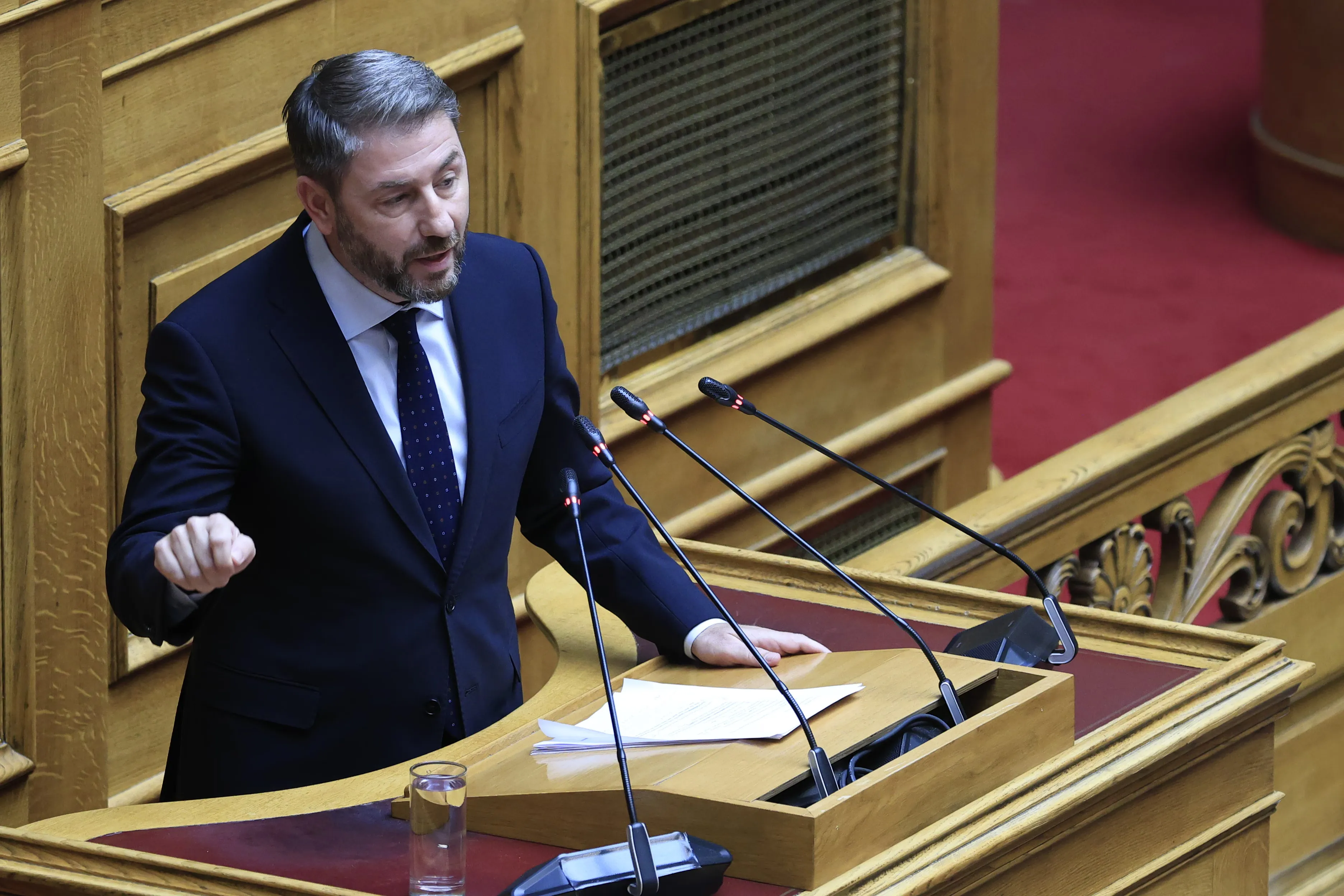
The parliamentary group, led by Nikos Androulakis, is using its sessions to coordinate these legislative efforts. The focus is not merely on reacting to government policy but on proactively setting the political agenda. By preparing comprehensive bills, such as the one currently being finalized by Milena Apostolaki, the party seeks to force the government into a defensive position on critical social issues, particularly those involving economic vulnerability and consumer protection.
How is the party responding to regional crises and social needs?
The PASOK strategy extends beyond the urban confines of Attica, incorporating rapid response to regional crises to demonstrate governance capabilities. A recent example of this is the leadership's intervention in the Lasithi region of Crete. Following recent damages in the area, Nikos Androulakis and Evangelos Apostolakis conducted on-site inspections to assess the impact on local communities.
The party's response to such crises is structured around four specific demands directed at the central government:
- Immediate and accurate recording of damages caused by recent events.
- Rapid compensation mechanisms for residents, livestock farmers, and agricultural workers.
- A freeze on public debt obligations for those affected by the crisis.
- Direct funding for municipalities and regional authorities to facilitate infrastructure restoration.
By engaging in these 'on-the-ground' inspections, the party aims to prove that its political platform is not just a set of documents, but a practical framework for crisis management and social solidarity.
Frequently asked questions
What is the significance of the 'PASOK everywhere' slogan?
The 'PASOK everywhere' mandate is a strategic directive from Nikos Androulakis aimed at maximizing the party's territorial reach. It focuses on ensuring that party representatives are present in every municipality and social setting, from local markets to workplaces, to build a continuous presence across the Attica region.
Why is October 18 considered a landmark date?
October 18 is viewed as a milestone because it is intended to serve as a powerful launchpad for the party's upcoming political activities. It also carries historical weight, as the party seeks to draw parallels with its foundational electoral victory in 1981 to boost morale and momentum.
How is PASOK addressing the issue of private debt?
PASOK is addressing private debt through both grassroots outreach and legislative action. The party is developing a formal bill to be submitted to Parliament, which aims to provide legal protections and relief for citizens struggling with debt, a move coordinated by the party's parliamentary group.
What role do the thematic brochures play in the campaign?
The thematic brochures serve as the intellectual backbone of the campaign. By providing specialized information on topics like pensions, labor, and SMEs, they allow local party members to engage in high-quality, substantive discussions with voters, moving beyond slogans to concrete policy proposals.
How does the party handle regional emergencies?
The party responds to regional emergencies by conducting direct site inspections and demanding specific state interventions. This includes calling for rapid compensation for farmers and residents, as well as the freezing of public debts for those affected by natural or economic disasters.
Key takeaways
- The 'PASOK everywhere' strategy targets all 60+ municipalities in the Attica basin by early November.
- October 18 is a strategic milestone designed to revitalize the party's historical momentum.
- Legislative efforts are focusing heavily on addressing the private debt crisis in Greece.
- Specialized task forces are being used to engage citizens in workplaces and local markets.
- The party is linking territorial mobilization with direct responses to regional crises.
Conclusion
The current PASOK strategy represents a dual-track approach to political revitalization, combining intensive grassroots mobilization with a focused legislative agenda. By prioritizing the Attica region through its 'sweep' operation and preparing for the symbolic October 18 event, the party is attempting to rebuild its territorial influence. Simultaneously, by tackling systemic issues like private debt and regional crisis management, the leadership is working to establish a programmatic identity that distinguishes it from the current government. The success of this strategy will depend on the party's ability to translate this high-intensity organizational effort into sustained political capital.







