How did the Pizza Fan investigation uncover a €25 million fraud?
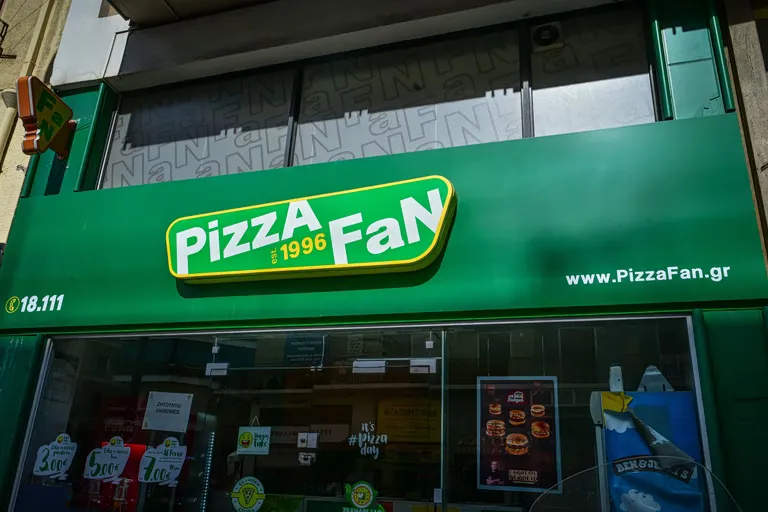
The investigation into the Pizza Fan chain has centered on a massive financial scheme that allegedly defrauded the Greek public treasury of approximately €25 million. According to the Economic Police investigation, the chain, which operates over 100 outlets across Greece, utilized specialized software to avoid paying Value Added Tax (VAT).
This systematic evasion was not merely a matter of accounting errors but a deliberate technological strategy designed to bypass standard tax monitoring. By using specific software to manipulate financial records, the company managed to hide significant portions of its turnover, leading to the substantial loss of revenue for the state. The scale of the operation suggests a highly organized approach to tax avoidance that spanned multiple locations and long periods.
The role of specialized software in VAT evasion
The use of dedicated software allowed the chain to maintain a facade of legitimacy while systematically underreporting taxable income. This technical manipulation made it difficult for traditional auditing methods to detect the discrepancies in real-time, necessitating a deep dive by the Economic Police into the company's digital and financial infrastructure.
What evidence suggests corruption within the AAADE?
A critical component of the Pizza Fan investigation involves allegations of corruption and the leaking of sensitive information by officials within the Independent Authority for Public Revenue (AAADE). Internal communications and dialogues captured during the investigation suggest that high-level executives at the chain received advance warnings about upcoming state audits.
The evidence includes specific instances where company officials were informed of the exact timing and locations of inspections. For example, records show that in June 2026, executives were alerted to imminent inspections by both the Single Food Control Body (EFET) and health inspectors in specific neighborhoods like Nea Smyrni and Neo Kosmos. Such leaks suggest that the chain had access to a network of informants within the regulatory bodies, allowing them to prepare documentation and clean up premises before authorities arrived.
How were food quality and labor inspections compromised?
The investigation extends beyond financial crimes to include the potential compromise of public health and worker safety standards. The intercepted dialogues indicate that the chain's management was frequently updated on inspections regarding food quality and hygiene regulations.
When notified of an impending visit, management's response was often to ensure that all records, including temperature logs and hygiene manuals, were prepared and "cleaned up" to meet inspection standards. This practice suggests that the chain was not necessarily following safety protocols in daily operations but was instead performing a temporary compliance exercise to deceive inspectors. This poses a significant risk to consumer health, as the actual conditions in the kitchens may not reflect the documentation presented to the authorities.
The impact of leaked inspections on public safety
When regulatory inspections are compromised by prior notice, the ability of the state to protect citizens is severely diminished. If a restaurant can prepare its hygiene logs specifically for an inspection, the true state of food safety remains unknown, potentially leaving customers vulnerable to foodborne illnesses and substandard sanitary conditions.
What is the scale of the alleged informant network?
The investigation highlights a troubling pattern of "insider information" provided to the chain by various professional contacts, including accountants and potentially state employees. Dialogue logs reveal that accountants would warn key defendants about specific tax office visits in areas such as Halandri, Vrilissia, and Larissa.
One of the most significant revelations involves the owner of the business discussing how they received information following a complaint from the Ministry of Finance. The owner claimed that despite the complaint, certain contacts within the AAADE provided updates, suggesting a relationship that allowed the company to "test" its compliance or prepare for specific regulatory actions. This indicates that the information flow was not just accidental but appeared to be a structured way of managing the company's exposure to legal scrutiny.
What are the current legal actions against the involved parties?
Following the discovery of these dialogues, the AAADE's Internal Affairs Directorate has taken formal steps to investigate potential criminal involvement by its own staff. Under the direction of George Pitsilis, the Directorate has issued an official request to the Hellenic Police to determine if there is evidence of guilt among AAADE employees.
The police are currently examining whether staff members intentionally informed the Pizza Fan owners about upcoming tax audits to allow them time to prepare. This investigation aims to identify the specific individuals within the state apparatus who may have facilitated the chain's ability to evade both tax and regulatory oversight. The case is being treated as a major breach of public trust, involving both private sector fraud and public sector corruption.
Key takeaways
- The Pizza Fan chain allegedly caused €25 million in losses to the Greek state through VAT evasion.
- Specialized software was reportedly used to facilitate large-scale tax fraud across 100 stores.
- Evidence suggests company executives received advance warnings about EFET and health inspections.
- The AAADE Internal Affairs Directorate is investigating potential corruption among state employees.
- The investigation covers financial crimes, hygiene compliance, and labor insurance violations.
Frequently asked questions
How much money did the Pizza Fan fraud cost the state?
The fraud is estimated to have cost the Greek state approximately €25 million. This loss was primarily driven by the systematic non-payment of VAT through the use of specialized software designed to hide the company's true financial turnover.
What role did the AAADE play in the scandal?
The AAADE is under investigation for potential corruption. Authorities are looking into whether employees leaked confidential information regarding upcoming tax audits to Pizza Fan executives, allowing the company to prepare for inspections and evade detection.
Was food safety at risk during this period?
Yes, food safety was potentially compromised. Intercepted communications suggest that management was warned about hygiene inspections, allowing them to temporarily adjust temperature logs and cleanliness to deceive inspectors, meaning daily conditions may have been substandard.
What is the scope of the Pizza Fan business?
Pizza Fan is a large restaurant chain in Greece with more than 100 outlets operating across the country. The scale of its operations made the widespread use of fraudulent software particularly impactful on the national economy.
What are the next steps in the investigation?
The AAADE Internal Affairs Directorate has requested the Hellenic Police to investigate the potential criminal liability of state employees. The police are now working to identify if and how officials provided illegal information to the company's owners.
Conclusion
The Pizza Fan investigation represents a significant intersection of corporate fraud and institutional corruption. By leveraging specialized technology to evade €25 million in VAT and allegedly utilizing a network of informants to bypass regulatory scrutiny, the chain managed to operate outside the law for an extended period. The ongoing probe by the Economic Police and the AAADE Internal Affairs Directorate is crucial not only for recovering lost state revenue but also for restoring integrity to the Greek tax and health inspection systems. The outcome will likely set a precedent for how the state handles organized white-collar crime and internal administrative corruption.