What is the significance of the KEDE Board's recent decision?
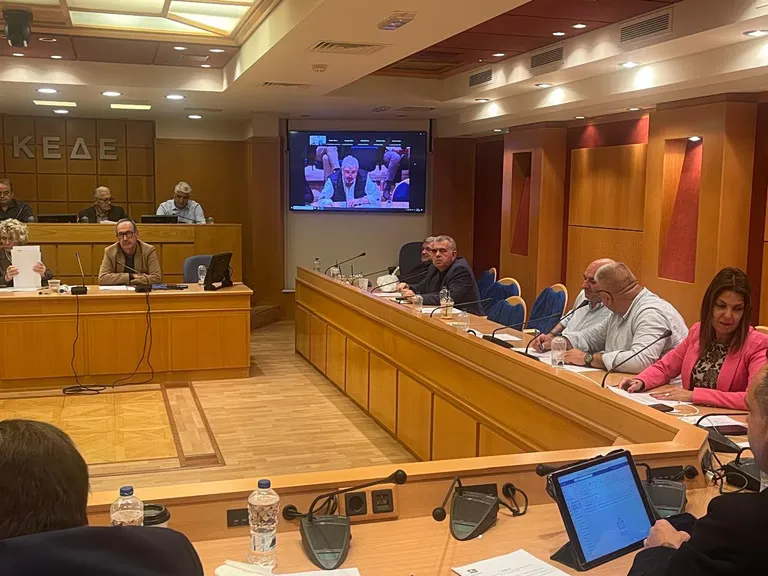
The KEDE Board of Directors has unanimously approved the request to include South Pelion olives in the coupled income support scheme for the 2028-2034 CAP programming period. This decision marks a critical turning point for the agricultural stability of the region. The approval was not an isolated event but the culmination of a structured administrative process that began with the Committee for Agricultural Development.
The process was spearheaded by D. Tsiachristas, the Chairman of the Committee for Agricultural Development at KEDE. On September 18, 2026, during a session held in Agios Georgios Nilias, the committee had already reached a unanimous agreement to support the inclusion of the region's olives. This recommendation was subsequently presented to the full Board of Directors, which ratified the motion without opposition.
Coupled income support is a specific type of agricultural aid that is directly linked to the production of a particular crop. Unlike decoupled payments, which are based on land area regardless of what is grown, coupled support provides financial assistance to ensure that specific, often culturally or economically vital, crops remain profitable for farmers. For South Pelion, this means the financial viability of olive groves is now explicitly tied to the upcoming EU-aligned agricultural frameworks.
How will the CAP 2028-2034 period affect local olive cultivation?
The inclusion of South Pelion olives in the CAP 2028-2034 programming period provides a long-term financial safety net for local growers. As the European Union moves toward the next decade of agricultural policy, the integration of regional specialties into the CAP framework ensures that local producers are not left behind by broader market shifts or changing subsidy structures.
The 2028-2034 period is expected to focus heavily on sustainability and the preservation of traditional farming methods. By securing a place in this framework, the South Pelion olive sector moves from a position of vulnerability to one of institutional recognition. This long-term planning allows farmers to make informed decisions regarding their groves, investments, and labor requirements over the next several years.
The role of administrative advocacy in securing CAP funds
Securing inclusion in the CAP requires rigorous documentation and political advocacy at the local and regional levels. The success in South Pelion demonstrates the importance of municipal leadership in navigating the complex bureaucracy of agricultural policy. The transition from the committee level to the full Board of Directors shows a coordinated effort to align local needs with broader national and European agricultural goals.
Why did Mayor Michalis Mitzikos advocate for this support?
Mayor Michalis Mitzikos emphasized that supporting South Pelion olive producers is a multifaceted necessity that extends beyond simple economics. During his intervention at the KEDE Board meeting, the Mayor provided detailed arguments and documentation to justify why the region's olive groves require specific protection under the new CAP guidelines.
According to Mayor Mitzikos, the coupled enhancement for South Pelion olives serves as a vital measure for several key areas of regional stability:
- Environmental Protection: The support helps maintain the ecological balance of the region through managed cultivation.
- Local Economy: It ensures the continued profitability of a sector that underpins the regional financial structure.
- Cultural Heritage: It preserves the traditional farming methods that define the area's history.
- Social Cohesion: It supports the livelihoods of local families, preventing rural depopulation.
The Mayor argued that these groves are not merely agricultural assets but are integral to the identity of the South Pelion region. Without this intervention, the economic pressures on small-scale producers could lead to a collapse of the traditional agricultural model.
What are the environmental and landscape impacts of this decision?
The decision to provide coupled income support is expected to have a profound impact on the physical landscape of South Pelion. One of the primary risks facing traditional Mediterranean agriculture is land abandonment, where aging farmers or economic hardship lead to the neglect of olive groves.
When olive groves are abandoned, the local ecosystem changes significantly. The loss of managed vegetation can lead to increased wildfire risks, soil erosion, and the loss of biodiversity that thrives in managed agro-ecosystems. By providing financial incentives, the CAP 2028-2034 support aims to ensure that thousands of acres of traditional groves remain productive and well-maintained.
Furthermore, the preservation of these groves protects the unique natural landscape of Pelion. The visual and ecological character of the region is a significant draw for tourism and local pride. Maintaining the "green mantle" of the region through active olive cultivation ensures that the landscape remains both economically productive and aesthetically preserved for future generations.
Frequently asked questions
What is coupled income support in agriculture?
Coupled income support is a mechanism where financial aid is directly linked to the production of a specific crop or livestock. Unlike general subsidies, these payments are designed to ensure that certain essential agricultural sectors remain economically viable even when market prices fluctuate or production costs rise.
Which period does this new CAP decision cover?
The decision specifically addresses the upcoming CAP programming period of 2028-2034. This long-term framework will dictate how agricultural subsidies and support measures are distributed across Europe, making the inclusion of South Pelion olives a crucial win for the region's decade-long planning.
Who was responsible for the recommendation to KEDE?
The recommendation was initiated by the Committee for Agricultural Development of KEDE. Specifically, the Chairman of the Committee, D. Tsiachristas, presided over the initial meeting in Agios Georgios Nilias where the proposal was unanimously approved before being sent to the full Board of Directors.
How does this decision help the local economy?
The decision helps the local economy by providing financial stability to olive producers. By securing these funds, the region can mitigate the risks of land abandonment, support local employment in the olive oil sector, and ensure that the agricultural heritage continues to drive economic activity.
What are the main benefits cited by Mayor Mitzikos?
Mayor Mitzikos cited several benefits, including the protection of the environment, the preservation of local economic stability, the safeguarding of cultural heritage, and the maintenance of social cohesion. He noted that the support is essential for preserving the region's unique identity and landscape.
Key takeaways
- The KEDE Board unanimously approved coupled income support for South Pelion olives.
- The support is designated for the upcoming CAP 2028-2034 programming period.
- Mayor Michalis Mitzikos argued the measure protects the local economy and cultural heritage.
- The decision aims to prevent land abandonment and preserve the Pelion landscape.
Conclusion
The unanimous approval by the KEDE Board of Directors represents a strategic victory for the South Pelion community. By securing a place for local olive production within the CAP 2028-2034 framework, the region has established a foundation for long-term economic and environmental resilience. This decision, driven by local advocacy and administrative coordination, does more than provide financial aid; it safeguards the cultural identity and the unique natural landscape of Pelion. As the agricultural landscape of Europe evolves, such targeted support remains essential for maintaining the social and economic fabric of historic rural regions.