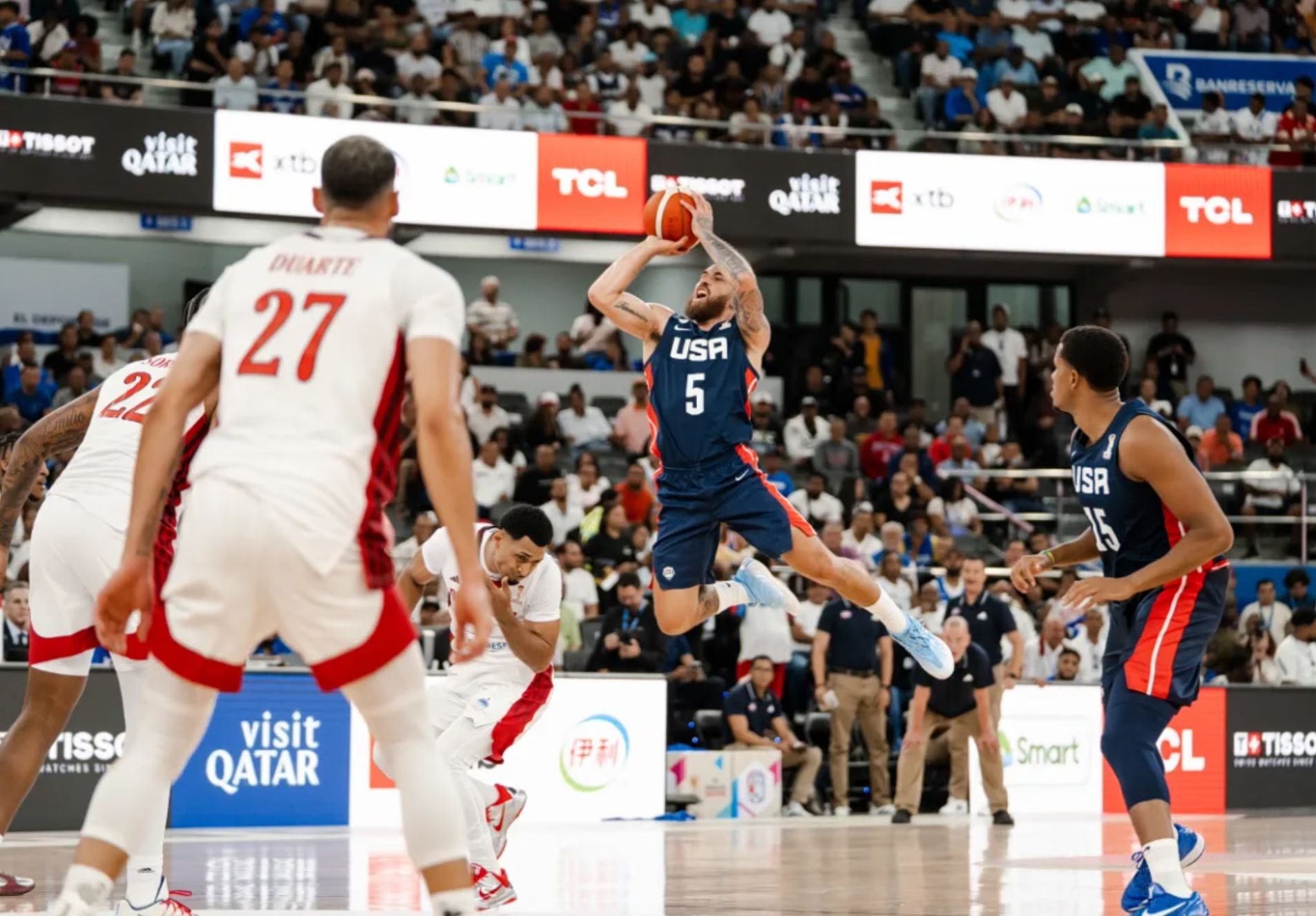
Team USA Turns to Europe for World Cup Qualifying Roster
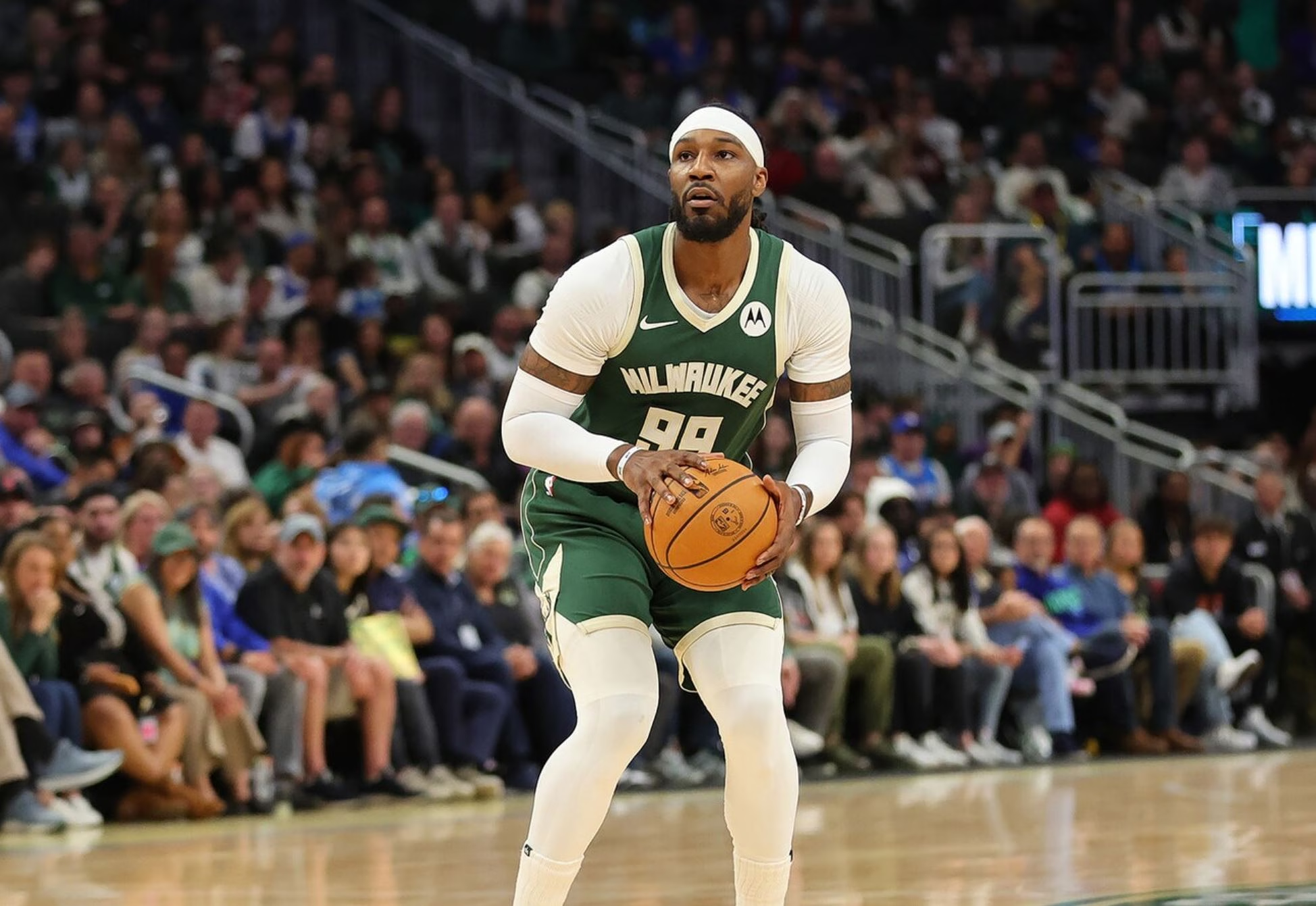
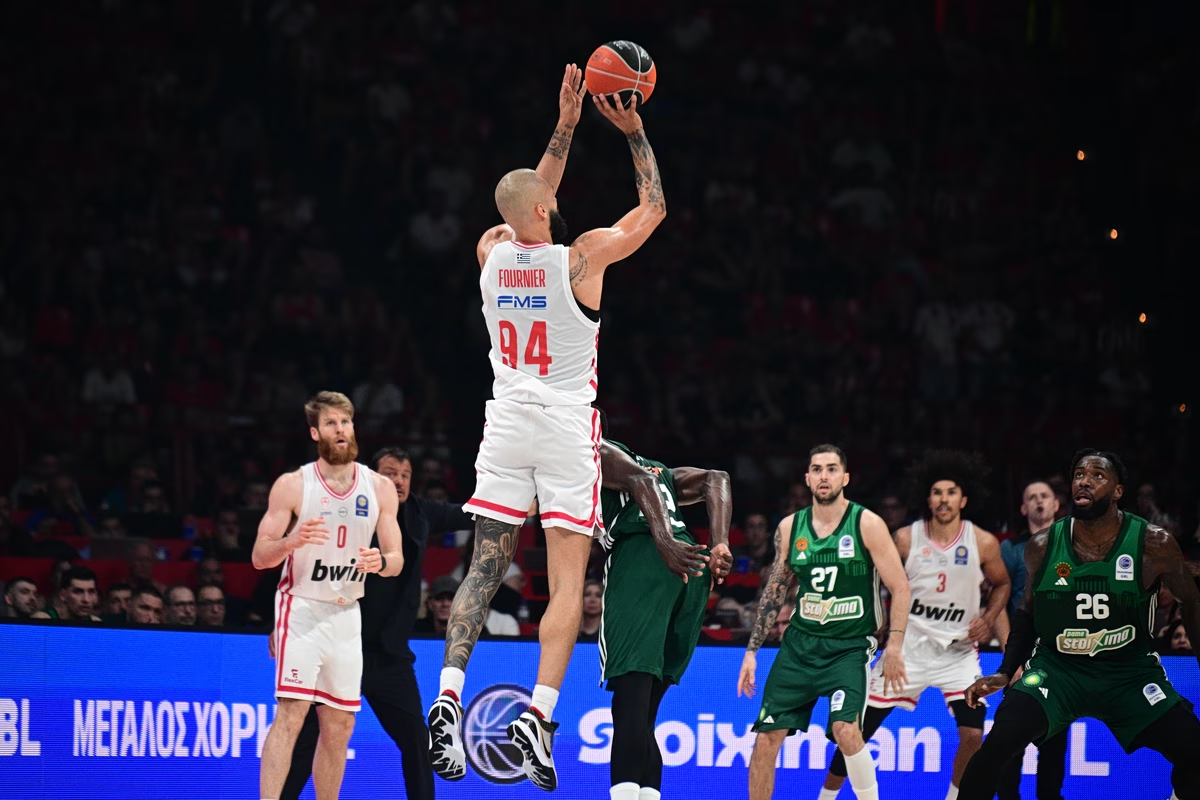
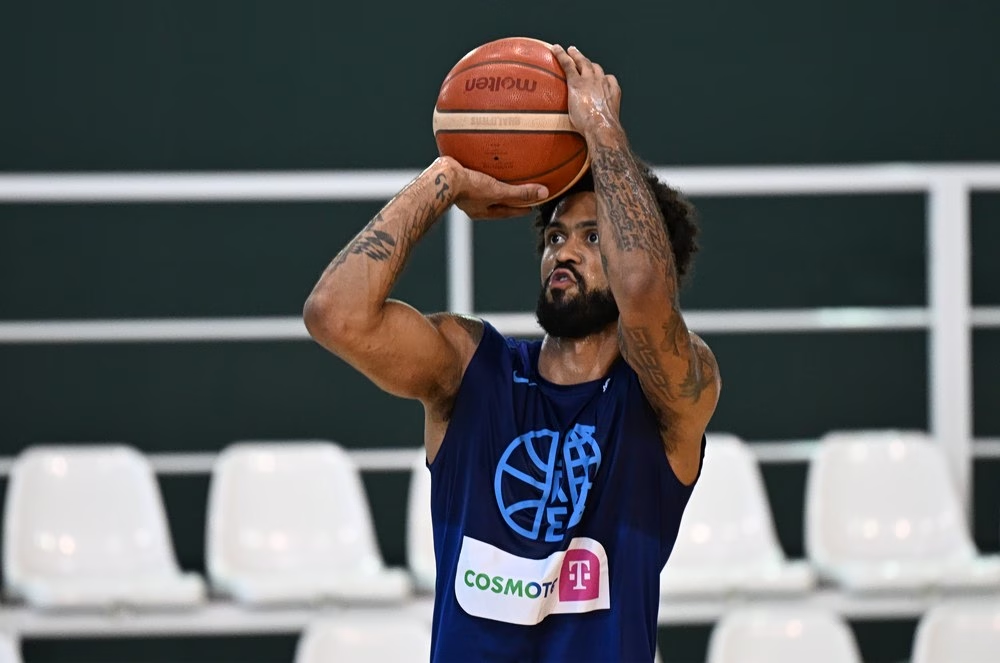
The United States national basketball team has announced its roster for the upcoming second phase of qualifying for the 2027 FIBA Basketball World Cup, and the selection carries a notably international flavor. Among the players called up, three are currently active in the EuroLeague, highlighting the growing role that Europe-based American talent plays in the broader landscape of USA Basketball.
This development reflects a broader trend in which American players who have built successful careers in European professional leagues are increasingly being considered for national team duty, particularly during qualifying windows when NBA-based stars are less available or simply not called upon for logistical reasons.
EuroLeague Presence on the National Stage
The inclusion of EuroLeague-based players in a USA Basketball roster is not entirely unprecedented, but it remains relatively uncommon given the depth of talent the country can draw from its domestic NBA pool. The fact that three such players have earned spots in this particular qualifying campaign suggests that USA Basketball's selectors are keeping a close eye on American athletes performing at the highest levels of European competition.
EuroLeague is widely regarded as the most competitive basketball league outside of the NBA, featuring top clubs from Spain, Greece, Turkey, Germany, and other major basketball nations across Europe. Americans who thrive in that environment demonstrate a level of skill and adaptability that national team coaches clearly value.
The second round of World Cup qualifying represents an important juncture for the United States as it looks to secure its place at the 2027 FIBA Basketball World Cup. While Team USA is historically one of the most dominant forces in international basketball, the qualifying process still demands focus and preparation, particularly as global competition continues to intensify.
A Competitive Path to the 2027 World Cup
The 2027 FIBA Basketball World Cup is expected to be one of the most competitive editions of the tournament in recent memory. Nations across Europe, South America, and Asia have been steadily closing the gap on the traditional powerhouses, and every qualifying match carries real significance in terms of seeding and preparation for the main event.
For the United States, building a competitive and cohesive qualifying squad is essential not only for advancing through the qualification stages but also for developing chemistry and depth across different player pools. Using qualifying windows to test and integrate Europe-based players could prove to be a strategic advantage as the coaching staff evaluates its broader options ahead of the tournament itself.
The FIBA World Cup qualifying format involves multiple rounds of regional competition, with national teams playing a series of home and away matches against opponents within their respective groups. Strong performances in the second phase can provide momentum and confidence heading into the later stages of qualification.
The Role of Overseas Players in USA Basketball
American basketball players who choose to compete in Europe often do so for a variety of reasons, including playing time, financial incentives, lifestyle preferences, or the desire to develop their game in a different system. Many of these players possess NBA-level skills and have previously competed in the league before making the move abroad.
Their experiences in European leagues, where the style of play often places a greater emphasis on team dynamics, spacing, and tactical discipline, can make them valuable contributors to a national team environment. These players tend to be versatile, well-conditioned, and accustomed to high-pressure competitive settings, all of which align with the demands of international basketball.
USA Basketball has a long history of finding success through various roster configurations, from sending its very best NBA talent in the form of the legendary Dream Team concept, to fielding younger developmental squads and hybrid rosters depending on the competition. The inclusion of EuroLeague players in the current qualifying setup is consistent with the organization's flexible and pragmatic approach to team building.
Looking Ahead to the Tournament
As the second phase of qualifying gets underway, attention will naturally turn to how the roster performs on the court. The players selected carry the responsibility of representing one of the world's most storied basketball nations, and the expectations that come with wearing a USA Basketball uniform are never insignificant.
For the three EuroLeague-based players in particular, this represents a significant opportunity. Earning a spot in the national team picture, even during a qualifying campaign, can raise a player's profile and open doors to further opportunities down the line, whether in Europe or potentially back in the NBA.
The broader basketball world will be watching how USA Basketball navigates this phase of its World Cup journey. With international competition growing fiercer by the year and teams from multiple continents posing credible threats to American dominance, the decisions made now — including which players to bring into the fold — could have meaningful implications for how the United States performs when the 2027 FIBA Basketball World Cup finally arrives.
Whether this combination of domestic and European-based talent proves to be the right formula remains to be seen, but the direction signals that USA Basketball is casting a wide net as it assembles the pieces for what it hopes will be another successful run on the global stage.