Hellenic Police Disputes Ministry's Claims on AntiNero Effectiveness
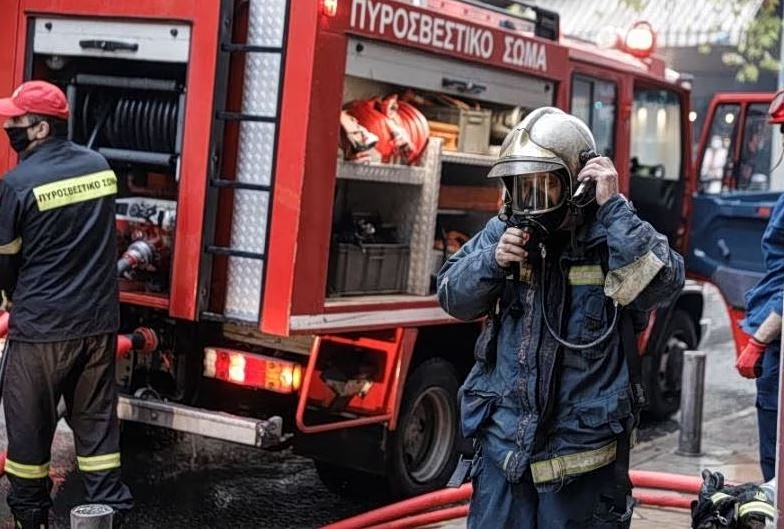
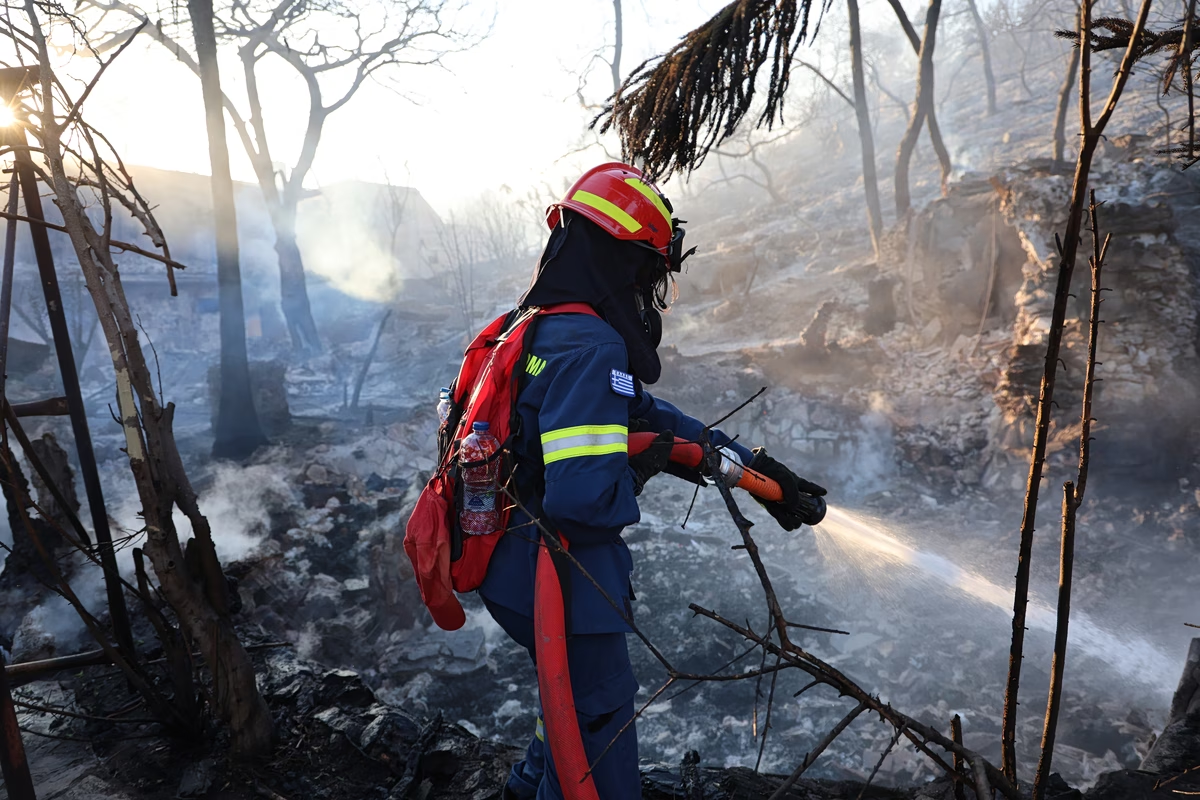
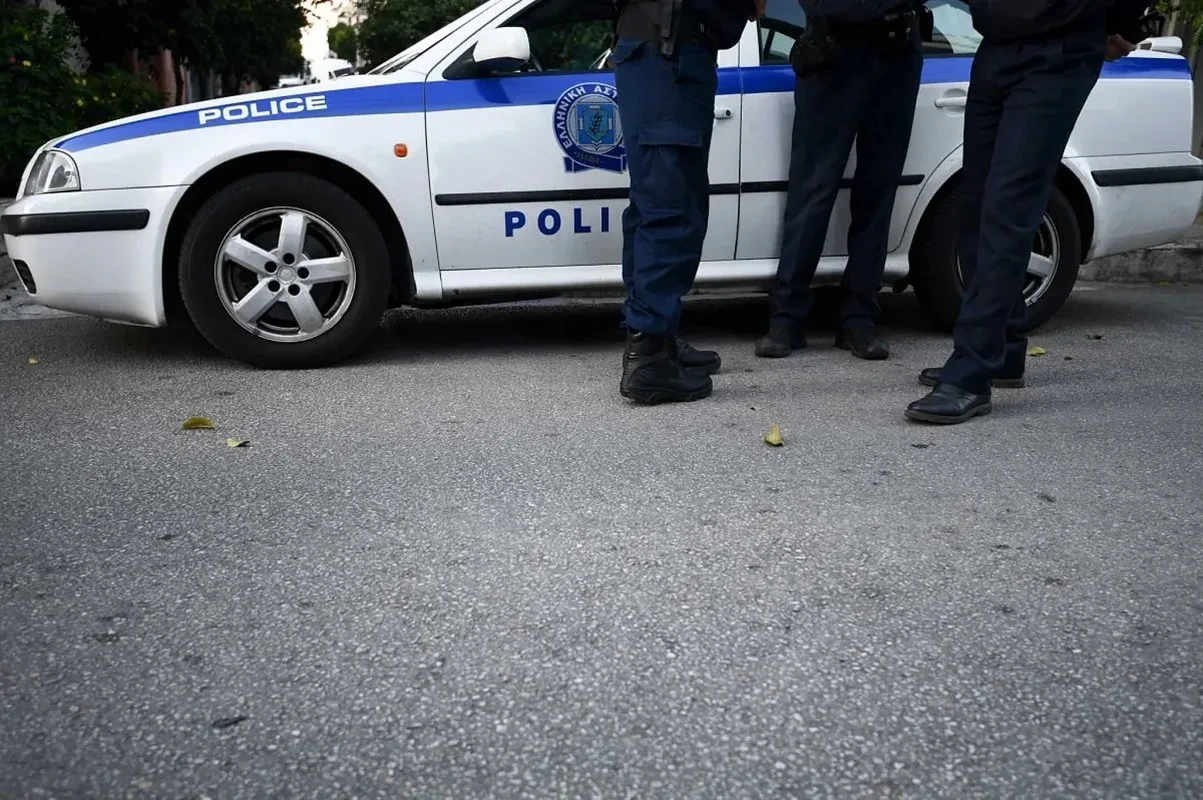
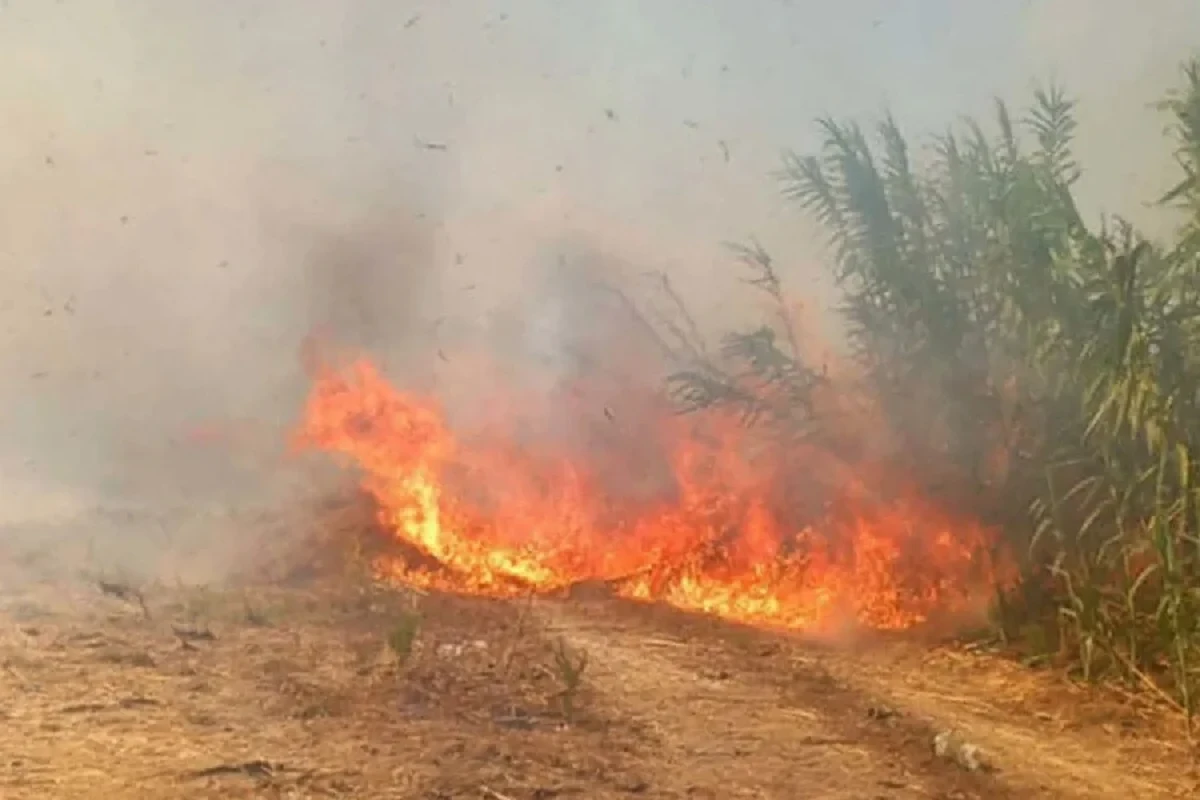
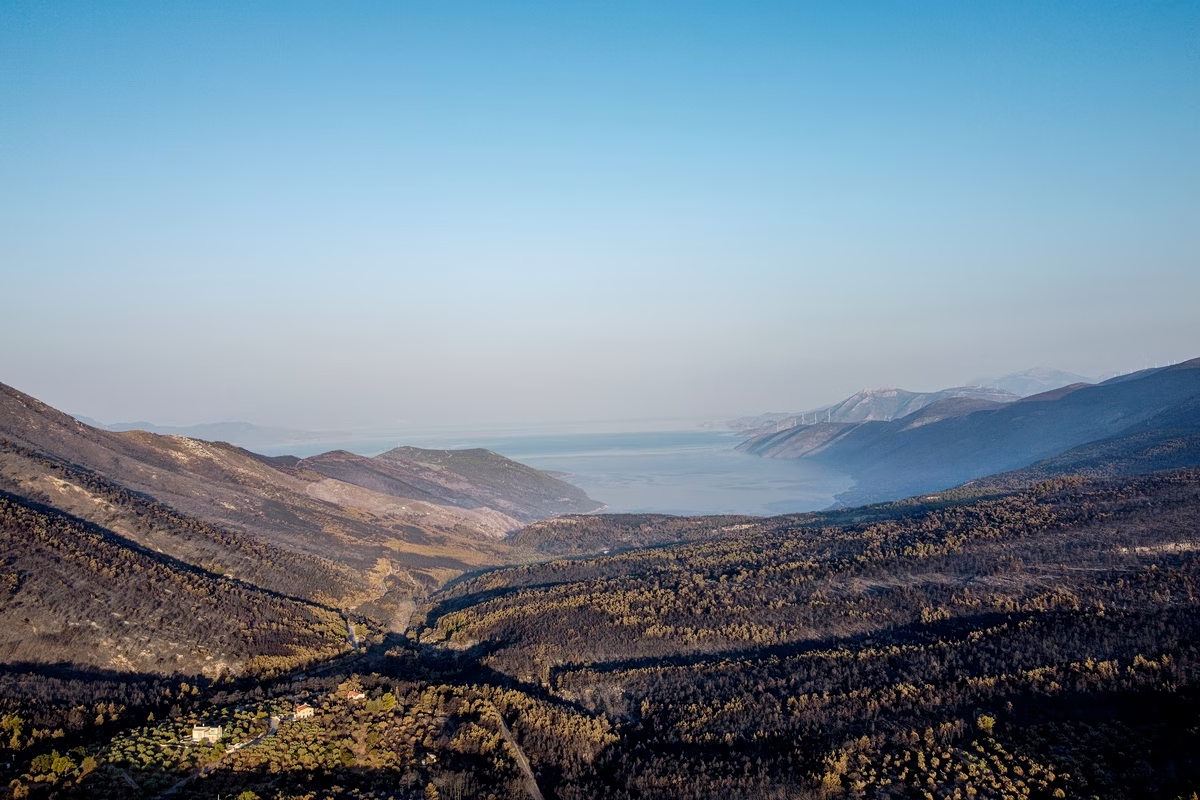
Following a series of destructive wildfires that swept through Western Attica and the Chalkidiki peninsula, a notable disagreement has emerged between Greek law enforcement and government environmental authorities over the performance of AntiNero, a fire suppression substance that has been deployed during recent firefighting operations. The Hellenic Police (ELAS) has issued a firm and detailed response to data presented by the Ministry of Environment and Energy (YPEN), questioning the credibility of the findings and demanding that any claims about AntiNero's effectiveness be subjected to rigorous, independent scrutiny.
What Is AntiNero and Why Does It Matter?
AntiNero is a fire retardant substance that has been used by Greek authorities as part of broader wildfire management efforts. The product has attracted growing attention amid Greece's increasingly severe wildfire seasons, with officials pointing to it as a potentially valuable tool in combating the spread of fires across the country's forests and rural landscapes.
The Ministry of Environment and Energy has publicly presented figures and data suggesting that AntiNero has demonstrated meaningful results in the field. However, these claims have not gone unchallenged. Critics, including now the Hellenic Police, argue that without transparent methodology and independent verification, such assertions cannot be taken at face value.
ELAS Fires Back at YPEN Data
In an unusually direct rebuke, the Hellenic Police responded sharply to the ministry's presentation of AntiNero-related data following the recent wildfires. The core of ELAS's argument is straightforward: without a credible and independent evaluation process, statements proclaiming that the substance is effective amount to little more than government-promoted narratives lacking scientific backing.
The police authority stressed that measurable, verifiable outcomes are essential before any definitive conclusions can be drawn about AntiNero's real-world impact. Their position reflects a broader concern that public resources could be allocated based on unsubstantiated claims, particularly during a period when Greece is grappling with some of its most challenging fire seasons in recent memory.
Without independent evaluation and measurable results, the claim that AntiNero works remains a government narrative.
This pointed statement underscores the depth of the disagreement between ELAS and the ministry, and raises broader questions about how Greece evaluates the tools and technologies it deploys in wildfire management.
Context: Wildfires in Western Attica and Chalkidiki
The backdrop to this dispute is significant. Western Attica and Chalkidiki have both experienced serious wildfire incidents in recent weeks, putting immense pressure on emergency services and drawing public attention to the country's fire preparedness infrastructure. These events have reignited debate over which strategies, tools, and substances are genuinely effective in controlling and suppressing wildfires.
Greece has long faced challenges related to wildfires, particularly during the summer months when dry conditions, high temperatures, and strong winds create ideal conditions for fires to spread rapidly. The government has been under pressure to demonstrate that it is deploying effective solutions, and AntiNero has been positioned as one component of that response.
However, the controversy surrounding the substance highlights a recurring tension in emergency management: the need to act quickly versus the need to ensure that actions are evidence-based and subject to proper accountability.
Calls for Transparency and Scientific Accountability
At the heart of the Hellenic Police's demand lies a fundamental principle: public safety interventions should be evaluated by independent experts using clear, objective criteria. ELAS is calling for an external review process that would assess AntiNero's performance in real fire conditions, independent of any institutional interests that might influence the interpretation of data.
This kind of accountability is particularly important given the high stakes involved. Firefighting resources, both human and material, are finite, and decisions about which tools to prioritize can have life-or-death consequences. If AntiNero is genuinely effective, an independent evaluation would confirm this and strengthen the case for its continued use. If it is not performing as claimed, that information is equally critical for decision-makers.
The call for independent scientific assessment also reflects a wider societal expectation for transparency from government bodies, especially in crisis situations. Public trust in institutions is closely tied to the perceived integrity of the data they present and the processes by which decisions are made.
Government's Position and the Path Forward
The Ministry of Environment and Energy has not yet publicly responded to the Hellenic Police's demand for independent evaluation. The ministry's earlier data presentations were framed as evidence of AntiNero's utility, though the specific metrics and methodologies used to reach those conclusions have not been made fully transparent to the public or to other government bodies.
It remains to be seen whether the Greek government will agree to commission an independent review of AntiNero's effectiveness, or whether the dispute will be resolved through other channels. The outcome could have significant implications not only for AntiNero's future role in Greece's firefighting arsenal, but also for the broader question of how the country evaluates and adopts new technologies in its emergency response framework.
For now, the disagreement between ELAS and YPEN has brought the issue firmly into the public domain, prompting wider discussion about scientific standards, governmental accountability, and the tools Greece relies on to protect its citizens and landscapes from the growing threat of wildfires.
A Broader Debate on Wildfire Management
The AntiNero controversy is unlikely to be an isolated incident. As climate change continues to intensify wildfire risk across the Mediterranean region, governments will face mounting pressure to identify and deploy effective countermeasures. This will inevitably lead to more debates about which products and strategies merit investment, and who gets to make that determination.
Independent scientific evaluation, as advocated by the Hellenic Police, represents one answer to this challenge. Establishing clear protocols for testing and assessing fire suppression tools before and after deployment could help ensure that resources are directed where they are most needed, and that public confidence in emergency management systems is maintained. The current dispute may ultimately serve as a catalyst for more systematic and transparent approaches to evaluating wildfire management technologies in Greece.