What is the core of the Tsipras 13th pension plan?
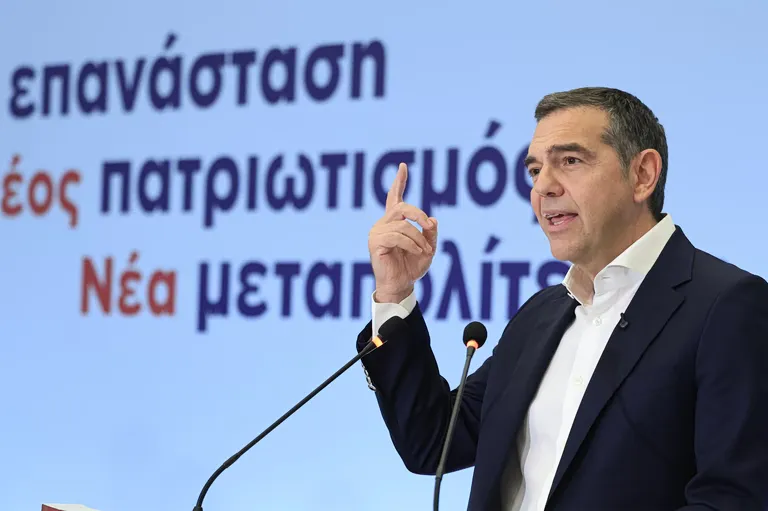
The central objective of the Tsipras 13th pension plan is to restore the extra monthly payment to Greek pensioners that was previously abolished. During a tour in Thessaly, Alexis Tsipras detailed a roadmap to fund this initiative through targeted fiscal adjustments rather than general debt accumulation. The proposal seeks to address what the SYRIZA leader describes as the lingering effects of memorandum-era austerity decisions.
According to Tsipras, the plan is not merely about social welfare but is a structured economic maneuver designed to redistribute wealth. By targeting specific sectors of the economy, the proposal aims to create a sustainable stream of revenue that can support the most economically disadvantaged segments of the population without compromising national fiscal stability.
Funding mechanisms and revenue targets
To achieve the reinstatement of the 13th pension, Tsipras has identified a specific revenue target of €2 billion. This funding is intended to come from two primary pillars: the taxation of significant wealth and a concept referred to as a 'patriotic contribution.' By implementing these measures, the SYRIZA leadership intends to demonstrate that social support can be achieved through progressive taxation rather than through the reduction of public services.
How does the history of Greek pensions influence this proposal?
The current political debate over pensions is deeply rooted in the austerity measures implemented following the 2012 financial crisis. Tsipras has frequently referenced this period to contextualize his current policy goals, noting that the decision to abolish the 13th pension was a consequence of memorandum-driven fiscal constraints.
Tsipras highlighted his own administration's attempts to mitigate these cuts. He stated that during his tenure as Prime Minister, his government managed to reintroduce a portion of the 13th pension, allocating approximately €1 billion to the cause. However, he noted that these measures were met with significant political opposition at the time. He further argued that the subsequent administration under Kyriakos Mitsotakis abolished these remaining benefits, resulting in a cumulative loss of approximately €7 billion for the Greek pension system.
What are the proposed methods for generating revenue?
The implementation of the Tsipras 13th pension plan relies heavily on the redistribution of wealth through new tax frameworks. Rather than relying on traditional consumption taxes or broad-based income tax increases, the plan focuses on concentrated sources of capital.
The proposal includes several specific components:
- Taxation of Great Wealth: Implementing higher tax brackets or specific levies on high-net-worth individuals to capture excess capital.
- Patriotic Contribution: A proposed mechanism intended to encourage social responsibility among the wealthiest sectors of society to support national stability.
- Targeted Fiscal Margin: Utilizing the identified €2 billion margin to specifically bridge the gap created by previous pension reductions.
Tsipras has explicitly stated that he will not use the rhetoric of 'money is available' in a vacuum, emphasizing instead that the funds must be actively secured through these specific legislative changes.
What is the expected impact on vulnerable populations?
The primary intended impact of the plan is to provide 'breath and support' to the most vulnerable demographics in Greece. The SYRIZA leader argues that the current pension structure leaves many citizens struggling to maintain a basic standard of living due to the erosion of benefits over the last decade.
By reinstating the 13th pension, the plan aims to provide a predictable, supplementary income stream that can act as a buffer against inflation and rising living costs. Tsipras has framed this as a moral necessity, asserting that his political focus remains on protecting those who have been most affected by the structural shifts in the Greek economy since the crisis years.
How does the plan address fiscal responsibility?
A significant challenge for any proposal involving increased social spending is maintaining fiscal credibility within the Eurozone. Tsipras has attempted to preempt criticisms of fiscal irresponsibility by linking the social benefits directly to the revenue-generating measures.
The logic presented by the SYRIZA leader is that the 13th pension will not be funded by increasing the national deficit, but by reallocating existing wealth. This distinction is crucial for the plan's viability in the eyes of international markets and domestic taxpayers. By setting a clear target of €2 billion, the plan seeks to present a balanced equation where social welfare is a direct byproduct of progressive fiscal reform.
Frequently asked questions
What is the 13th pension in Greece?
The 13th pension refers to an extra monthly payment traditionally provided to Greek retirees to assist with seasonal expenses. It was a significant part of the social safety net before being abolished during the period of intense austerity and memorandum-driven fiscal reforms in Greece.
How much revenue does the Tsipras plan aim to secure?
The plan specifically targets the generation of €2 billion in additional revenue. This capital is intended to be sourced from the taxation of significant wealth and a 'patriotic contribution' to ensure the sustainability of the pension reinstatement.
Why does Tsipras mention the €7 billion figure?
Tsipras uses the €7 billion figure to quantify the total financial loss experienced by Greek pensioners following the abolition of the 13th pension and other benefits. He uses this to argue that current pension levels are insufficient compared to previous standards.
What are the main sources of funding for this plan?
The two primary sources of funding are the taxation of great wealth and a proposed 'patriotic contribution.' These measures are designed to capture revenue from the highest economic tiers to fund social protections for the most vulnerable.
Is this plan part of a broader economic strategy?
Yes, the plan is part of a broader strategy to reverse memorandum-era decisions. It focuses on using progressive taxation to restore social benefits and support the most economically disadvantaged citizens while maintaining fiscal boundaries.
Key takeaways
- The plan seeks to reinstate the 13th pension through €2 billion in new revenue.
- Funding will be sourced from wealth taxation and a 'patriotic contribution.'
- Tsipras claims previous cuts resulted in a €7 billion loss for pensioners.
- The initiative focuses on providing support to Greece's most vulnerable citizens.
Conclusion
The Tsipras 13th pension plan represents a significant political effort to reframe the Greek social contract through the lens of progressive taxation. By proposing a direct link between wealth redistribution and the restoration of pensioner benefits, the plan attempts to address the long-term economic scars left by the austerity years. Whether the proposed €2 billion in revenue can be effectively captured through wealth taxes remains a central question for the Greek electorate and fiscal analysts alike. Ultimately, the plan seeks to balance the necessity of social support with the demands of modern fiscal management.