How is the proposed 13th pension being funded?
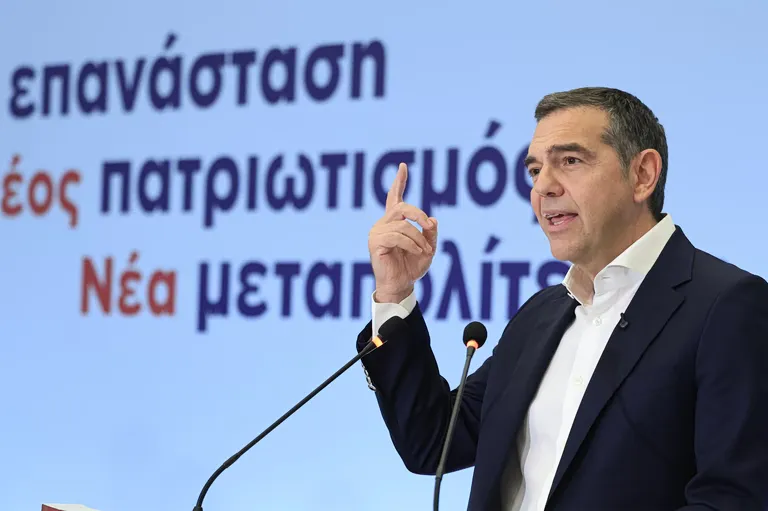
The funding for a potential 13th pension relies on a targeted wealth tax aimed at Greece's most affluent citizens. Alexis Tsipras has explicitly stated that this social benefit would be financed through a 1% levy on the assets of the wealthiest 1% of the population. This move aligns with the broader 'tax the rich' movement advocated by various international economists.
According to recent strategic outlines from the Tsipras team, the definition of the 'wealthiest 1%' has become more precise. This group is identified as individuals possessing assets—including bank accounts, real estate, and other income sources—valued between €3.6 million and €4 million or higher. The goal is to secure approximately €2 billion in additional revenue to support these social measures.
The mechanics of the wealth tax
The proposed tax is not merely a theoretical concept but a cornerstone of a new fiscal platform. By targeting high-net-worth individuals, the strategy seeks to create a dedicated revenue stream that bypasses general budget constraints. This 'patriotic contribution' model is designed to provide the necessary fiscal space to reintroduce benefits that were lost during previous austerity periods. The implementation of such a tax would require significant legislative willpower, especially given the current political climate in Greece.
What is the current state of the ELAS party organization?
The ELAS party is undergoing a rapid consolidation process to solidify its political representation ahead of upcoming electoral cycles. A critical milestone is set for November 21 and 22, when the National Council will convene to finalize the party's candidate lists. Reports suggest that 60% to 70% of the candidates for the ELAS ballots will be announced during this session.
A significant component of this organizational shift involves the return of former SYRIZA members who had previously resigned their parliamentary seats. This influx of experienced political figures is intended to bolster the party's defense of its 2015–2019 governing legacy and strengthen its presence in regional territories. The movement of these former colleagues back into the party fold is seen as a vital step in rebuilding a cohesive political front.
Key figures in the ELAS transition
While many former members are returning, the treatment of these individuals varies depending on their political history. For instance, figures like Alexis Charitsis, the former president of New Left, and Athina Linou represent specific cases that the party leadership is handling with nuance. Conversely, Ola Gerovasilis is noted as a figure of high confidence for Tsipras, suggesting that the party is carefully balancing new arrivals with established loyalists to maintain stability.
Why is Tsipras pivoting toward traditional voter bases?
The pivot toward traditional social bases is a calculated response to shifting polling data and the need to expand the party's electoral reach. Tsipras is moving away from the centrist profile he held during his tenure at the Democratic Left (DEATH) and is instead embracing more radical social stances. This includes vocal support for French-style social movements and a focus on the concerns of pensioners and public sector employees.
This strategic realignment is heavily influenced by the desire to reclaim the 31% of the vote that the party secured in 2019. By focusing on issues like the 13th pension and the 13th salary for public employees, the leadership aims to re-engage the working-class and retiree demographics. This approach is also a response to the competitive pressure from PASOK, as Tsipras seeks to prevent further fragmentation of the center-left vote.
Geographic expansion and social outreach
The strategy is not limited to policy announcements but includes a rigorous regional tour. Recent visits to Thessaly, Kalamata, and Arcadia serve as platforms to reconnect with the social groups that historically formed the party's backbone. These tours are designed to humanize the political platform and demonstrate a direct commitment to local economic concerns, bridging the gap between high-level policy and grassroots reality.
What are the political risks of this new direction?
The primary risk associated with this strategy is the intense political backlash from the current government. Critics have characterized these proposals as a dangerous 'return to the past,' specifically referencing the controversial economic period of 2012–2015. The tension between proposing expansive social benefits and the reality of fiscal constraints remains a central point of contention in Greek politics.
Furthermore, the party must navigate the internal complexities of reintegrating former members while maintaining a clear identity. If the transition within ELAS is perceived as disorganized or if the 'tax the rich' policy fails to gain broad public or legislative support, the party risks alienating moderate voters without successfully capturing the radical base. The success of this strategy depends on whether the promised €2 billion in revenue can be realistically realized without triggering capital flight or significant economic instability.
Frequently asked questions
What is the threshold for the proposed wealth tax?
The proposed 1% tax would target the wealthiest 1% of the Greek population. This group is defined as individuals holding assets in real estate, bank accounts, and other income sources totaling between €3.6 million and €4 million or more.
How much revenue does the 13th pension plan aim to generate?
The political team aims to secure an additional €2 billion through the implementation of the wealth tax and other patriotic contributions. This funding is intended to ensure the full payment of the 13th pension and the 13th salary for public employees.
When will the ELAS candidate lists be finalized?
The first names for the ELAS ballots are expected to be locked in during the National Council meeting scheduled for November 21 and 22. It is estimated that 60% to 70% of the ballots will be announced at this time.
Why is Tsipras moving away from a centrist profile?
Tsipras is shifting toward traditional left-wing bases to reclaim the 31% voter share achieved in 2019. This move follows a period of centrist positioning and aims to re-engage pensioners and the working class through more radical social policies.
Who are the key figures returning to ELAS?
The party is seeing a return of former SYRIZA members to defend the 2015–2019 administration. While individuals like Alexis Charitsis and Athina Linou are being handled with specific political nuance, others like Ola Gerovasilis are viewed as core figures of trust.
Key takeaways
- A proposed 1% tax on assets over €3.6–€4 million aims to fund social benefits.
- The 13th pension and 13th salary are central pillars of the new political platform.
- ELAS intends to finalize 60% to 70% of its candidate lists in late November.
- The strategy seeks to reclaim the 31% electoral share held in 2019.
Conclusion
The evolution of Alexis Tsipras's political strategy represents a significant attempt to restructure the Greek left. By combining aggressive fiscal proposals, such as the 1% wealth tax, with a revitalized organizational structure within ELAS, the former Prime Minister is attempting to bridge the gap between policy and the traditional working-class electorate. While the goal of reclaiming the 31% vote share from 2019 is ambitious, the success of this pivot hinges on the party's ability to navigate government opposition and the practical challenges of implementing large-scale social spending in a complex economic environment.