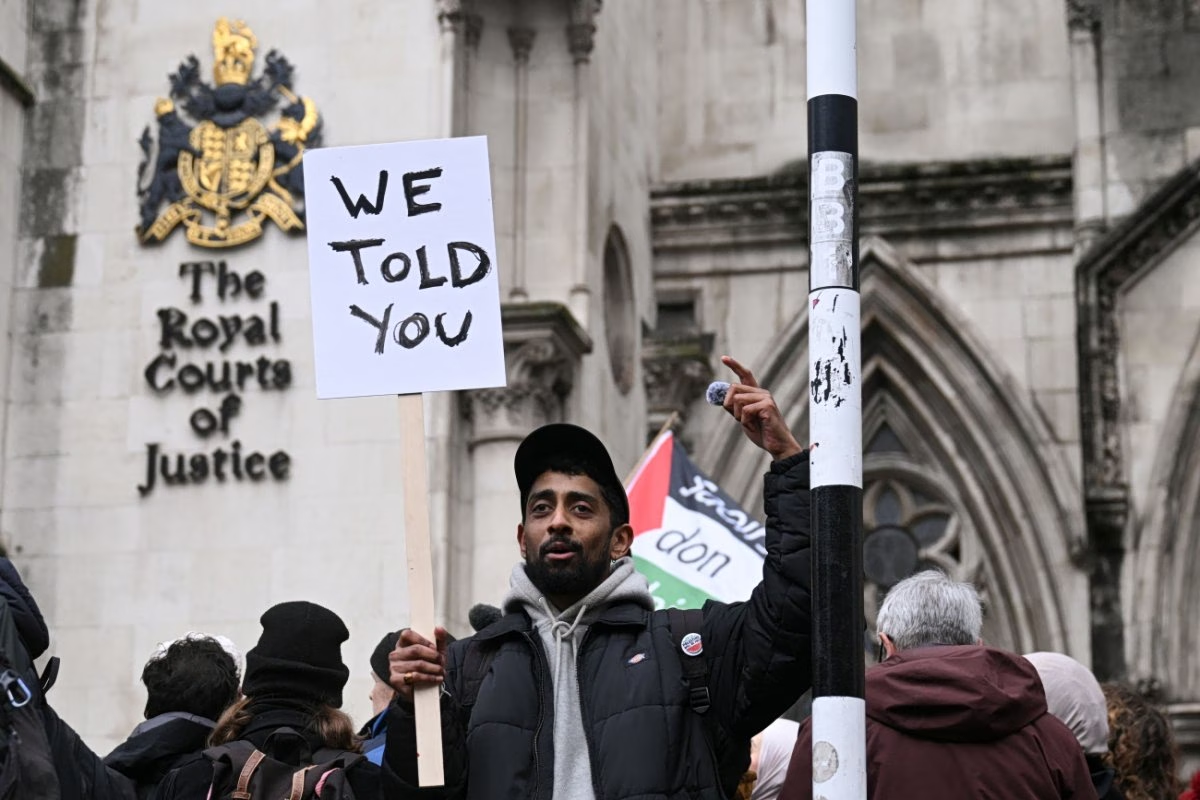
The United States has officially designated the UK-based activist group Palestine Action as an international terrorist organization, announcing new sanctions on Wednesday. This move follows the group's activities protesting Israeli actions against Palestinians, which had already led to a ban in the United Kingdom. The designation has sparked controversy, with NGOs expressing concerns over the implications for protest rights.
US Imposes Sanctions on Palestine Action
The decision by the United States to classify Palestine Action as an international terrorist organization marks a significant escalation in the group's status. This designation typically triggers a range of financial and travel restrictions against the organization and its members. The US government has indicated that these sanctions are now in effect, aiming to curb the group's operational capabilities and funding. This action places Palestine Action on a list alongside other entities deemed to pose a threat to international security. [TO VERIFY: specific sanctions announced and their immediate effect]
Palestine Action's Background and UK Ban
Palestine Action is a direct action network that has engaged in various protest activities targeting companies and institutions perceived to be complicit in Israeli actions against Palestinians. Their tactics have included property damage and disruption, leading to numerous arrests and legal proceedings in the United Kingdom. The group was previously banned in the UK [TO VERIFY: date and specific legal basis of UK ban], a decision that drew criticism from several non-governmental organizations. These NGOs argued that the ban infringed upon fundamental rights to protest and freedom of expression, raising questions about the balance between national security and civil liberties.
NGO Concerns Over Protest Rights
The US designation and the prior UK ban have intensified the debate surrounding the right to protest, particularly in the context of sensitive international conflicts. NGOs have voiced strong opposition, asserting that such classifications can have a chilling effect on legitimate activism and dissent. They argue that labeling protest groups as terrorist organizations could set a precedent that undermines democratic principles and restricts the space for civil society to challenge government policies or corporate practices. [TO VERIFY: names of specific NGOs that have publicly criticized the ban/designation]
Next Steps and Potential Repercussions
The designation by the United States is expected to have far-reaching implications for Palestine Action, potentially impacting its ability to organize, fundraise, and operate internationally. It may also influence how other nations perceive and engage with the group. The US Department of State has not yet released further details regarding the specific evidence that led to this classification [TO VERIFY: confirmation if US Department of State has released any further details or evidence]. Observers anticipate continued debate and legal challenges surrounding the designation, as civil liberties advocates and human rights organizations are likely to scrutinize the justification for these measures.