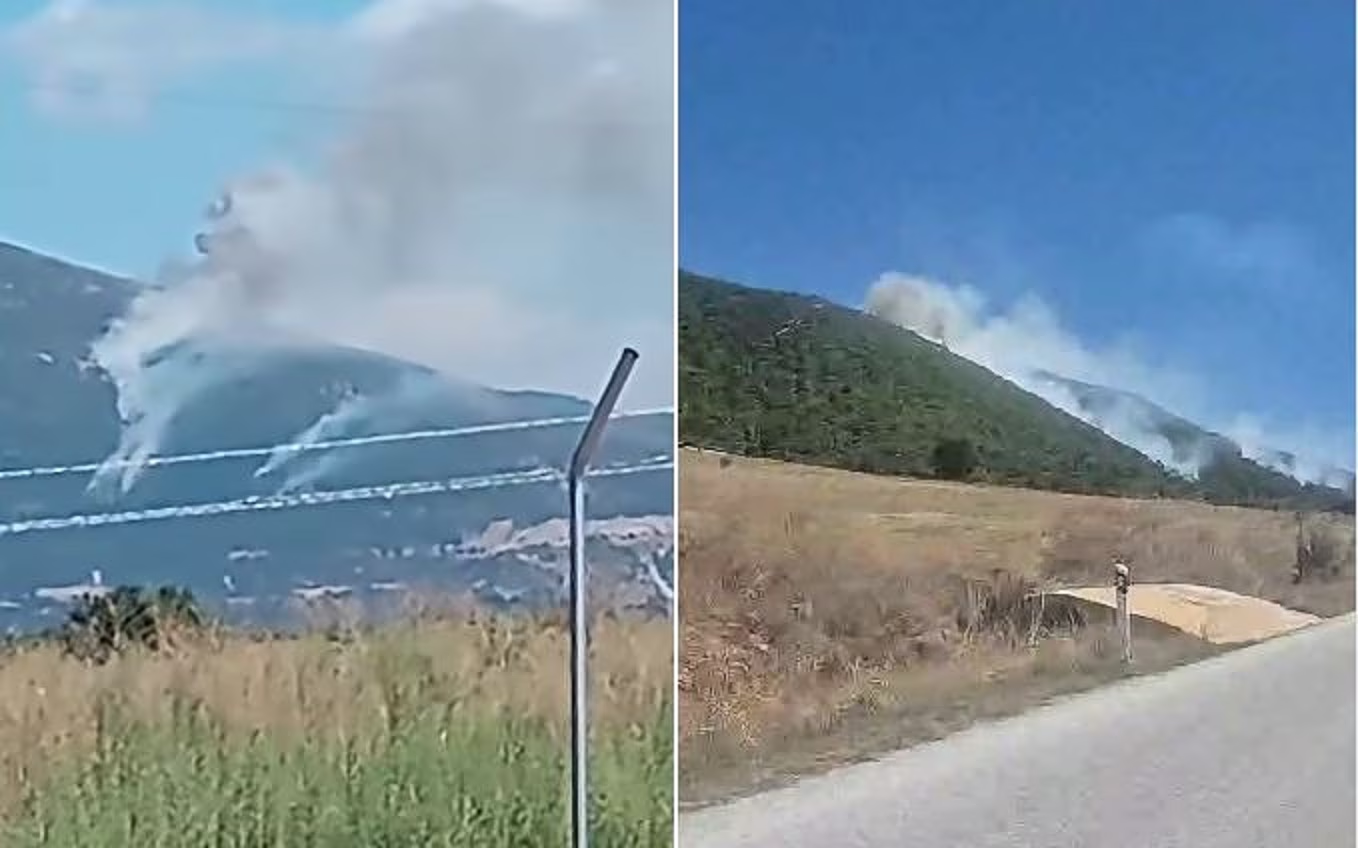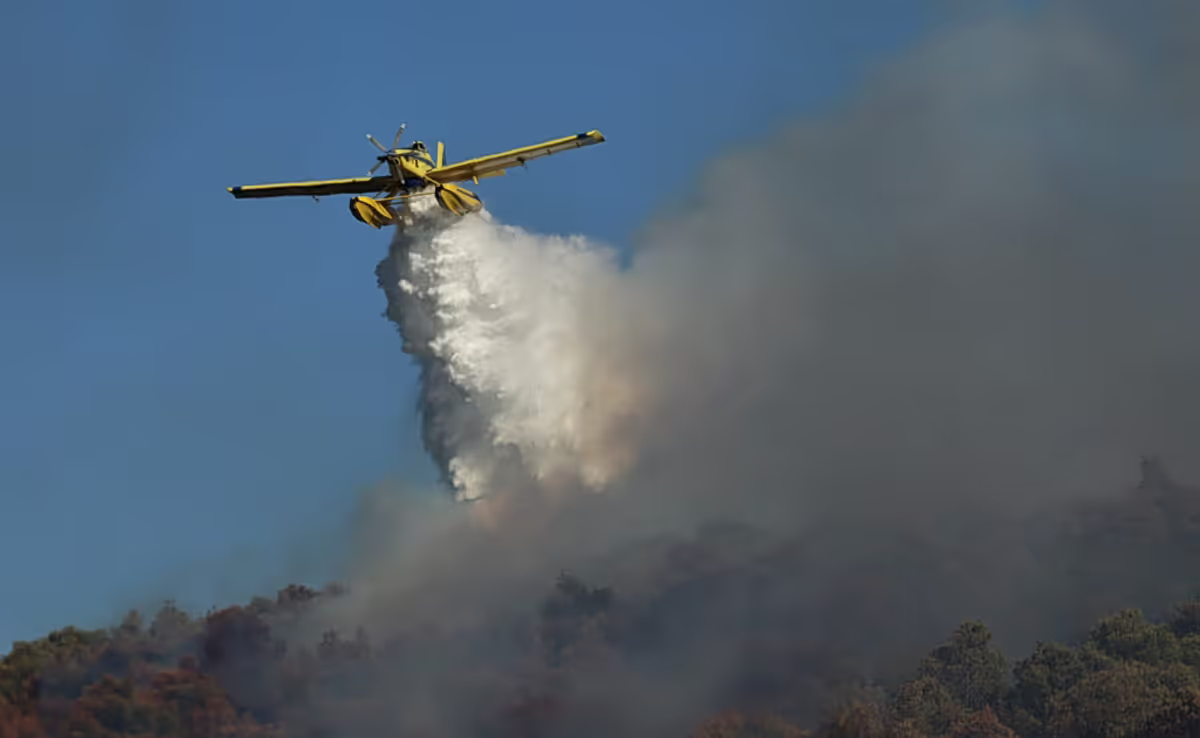
A significant wildfire ignited in the rural-forested area of Agios Antonios in Kilkis, Greece, during the afternoon, prompting a rapid and extensive response from the Fire Service. The incident, reported around 6:30 PM, mobilized a substantial ground crew supported by aerial assets to contain the blaze. This article explores the details of the firefighting operation, the resources deployed, and the broader context of wildfire management in Greece.
Initial Response to the Agios Antonios Wildfire
The wildfire in Agios Antonios, Kilkis, began in a rural-forested zone, leading to an immediate alert to the Fire Service Operations Center. The initial call was received at approximately 6:30 PM, triggering a comprehensive emergency response. This rapid deployment is crucial in mitigating the spread of wildfires, especially in areas with dense vegetation or proximity to agricultural land.
Upon notification, 36 firefighters were dispatched to the scene. These personnel included two ground teams from the 2nd EMODE, a specialized unit for forest firefighting, along with nine vehicles. This ground force forms the backbone of any wildfire suppression effort, focusing on direct attack, creating firebreaks, and protecting structures. The coordination of these teams is essential for an effective response, particularly in challenging terrains.
Aerial Support and Local Mobilization
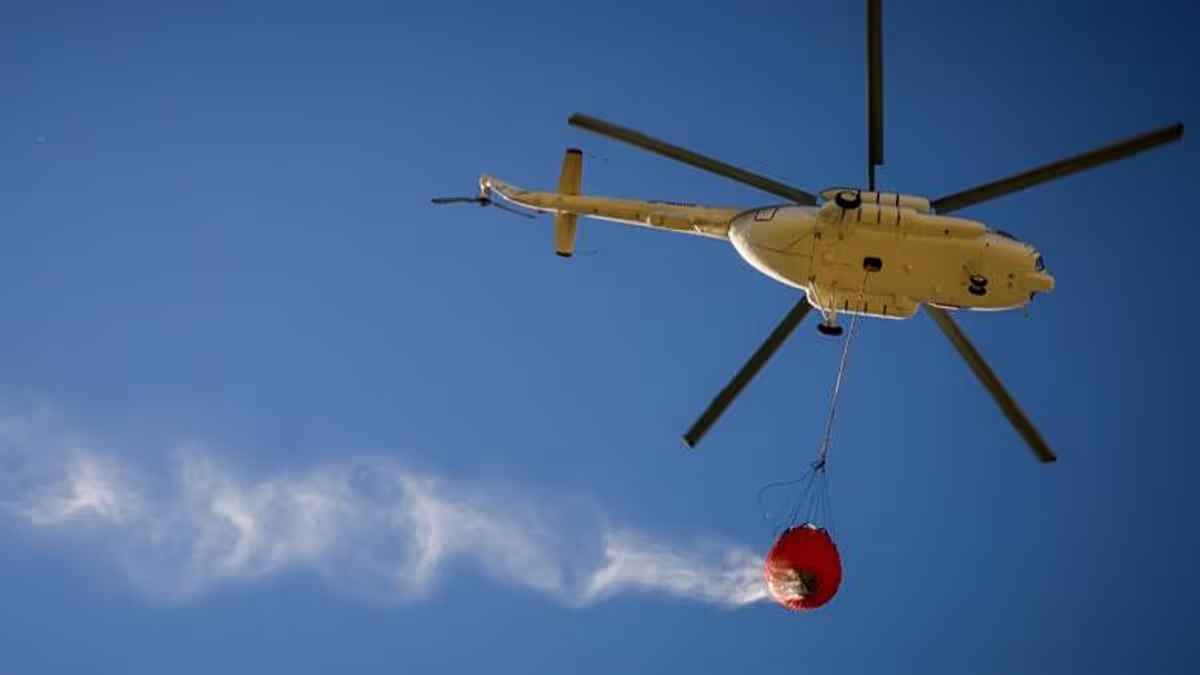
To bolster the ground efforts, three aircraft were immediately deployed for aerial firefighting. Aerial assets are vital for their ability to douse flames from above, cool hot spots, and create retardant lines, especially in inaccessible areas where ground crews face significant challenges. The rapid deployment of these aircraft underscores the perceived severity and potential spread of the fire.
In addition to the Fire Service, the Municipality of Kilkis mobilized its resources to provide support, primarily by supplying water tankers. Local municipal involvement is a critical component of wildfire management in Greece, as it ensures additional logistical support and resources that might not be immediately available through central emergency services. This collaborative approach enhances the overall effectiveness of the response.
Monitoring and Investigation Protocols
Throughout the incident, the National Coordination Center for Operations and Crisis Management (ESKEDIK) maintained continuous surveillance of the fire. This monitoring was conducted using drones equipped with both thermal and optical cameras. Drone technology provides real-time imagery and data, allowing incident commanders to assess the fire's progression, identify critical areas, and strategically allocate resources. This technological integration is a modern standard in effective disaster management.
Furthermore, the Thessaloniki Arson Crimes Investigation Department was mobilized to investigate the causes of the fire. This investigative arm of the Fire Service plays a crucial role in determining whether a fire was accidental or deliberate. Understanding the origins of wildfires is essential for prevention strategies and, in cases of arson, for bringing perpetrators to justice. According to Greek law, arson, whether intentional or negligent, carries severe penalties, reflecting the significant environmental and economic damage wildfires inflict.
The Broader Context of Wildfire Management in Greece
Greece, with its Mediterranean climate and extensive forested areas, is particularly susceptible to wildfires, especially during the dry summer months. The country has developed a robust, albeit continuously challenged, system for wildfire prevention and suppression. This system relies on early detection, rapid response, and a multi-agency approach involving the Fire Service, local municipalities, and volunteer groups.
Prevention efforts include public awareness campaigns, controlled burns, and maintaining firebreaks. However, factors such as climate change, which leads to hotter and drier conditions, and human activity, both accidental and intentional, continue to pose significant challenges. The deployment of specialized units like EMODE and the use of advanced technologies such as drones are part of an ongoing evolution in Greece's firefighting capabilities aimed at protecting its natural heritage and communities.
Frequently asked questions
What is the primary cause of wildfires in Greece?
Wildfires in Greece are often caused by a combination of natural factors, such as lightning, and human activities, including accidental ignitions from agricultural work or discarded cigarettes, and intentional arson.
How does Greece typically respond to large wildfires?
Greece's response to large wildfires involves a coordinated effort by the Fire Service, including ground crews, aerial support (planes and helicopters), and logistical aid from local municipalities and volunteer organizations.
What role do drones play in Greek firefighting efforts?
Drones equipped with thermal and optical cameras are increasingly used to provide real-time monitoring of wildfire progression, helping incident commanders make informed decisions about resource allocation and suppression strategies.
Are there specific units dedicated to investigating wildfire causes?
Yes, specialized units like the Arson Crimes Investigation Department are mobilized to investigate the causes of wildfires, aiming to determine whether they are accidental or the result of arson for legal and preventative measures.
How does climate change impact wildfires in Greece?
Climate change contributes to hotter, drier, and windier conditions, extending the wildfire season and increasing the intensity and frequency of fires, making prevention and suppression more challenging.
Key takeaways
- A wildfire broke out in Agios Antonios, Kilkis, in a rural-forested area.
- The Fire Service responded with 36 firefighters, 9 vehicles, and 3 aircraft.
- The Municipality of Kilkis provided additional support, including water tankers.
- Drones with thermal and optical cameras were used for continuous monitoring.
- The Thessaloniki Arson Crimes Investigation Department was mobilized to investigate the fire's cause.
The incident in Agios Antonios, Kilkis, highlights the persistent threat of wildfires in Greece and the coordinated efforts required to combat them. The rapid mobilization of both ground and air assets, supported by local authorities and advanced monitoring technology, demonstrates the country's commitment to protecting its natural environment. While immediate containment is the priority, the subsequent investigation into the fire's origin will be crucial for informing future prevention strategies and addressing the broader challenges posed by climate change in the region.