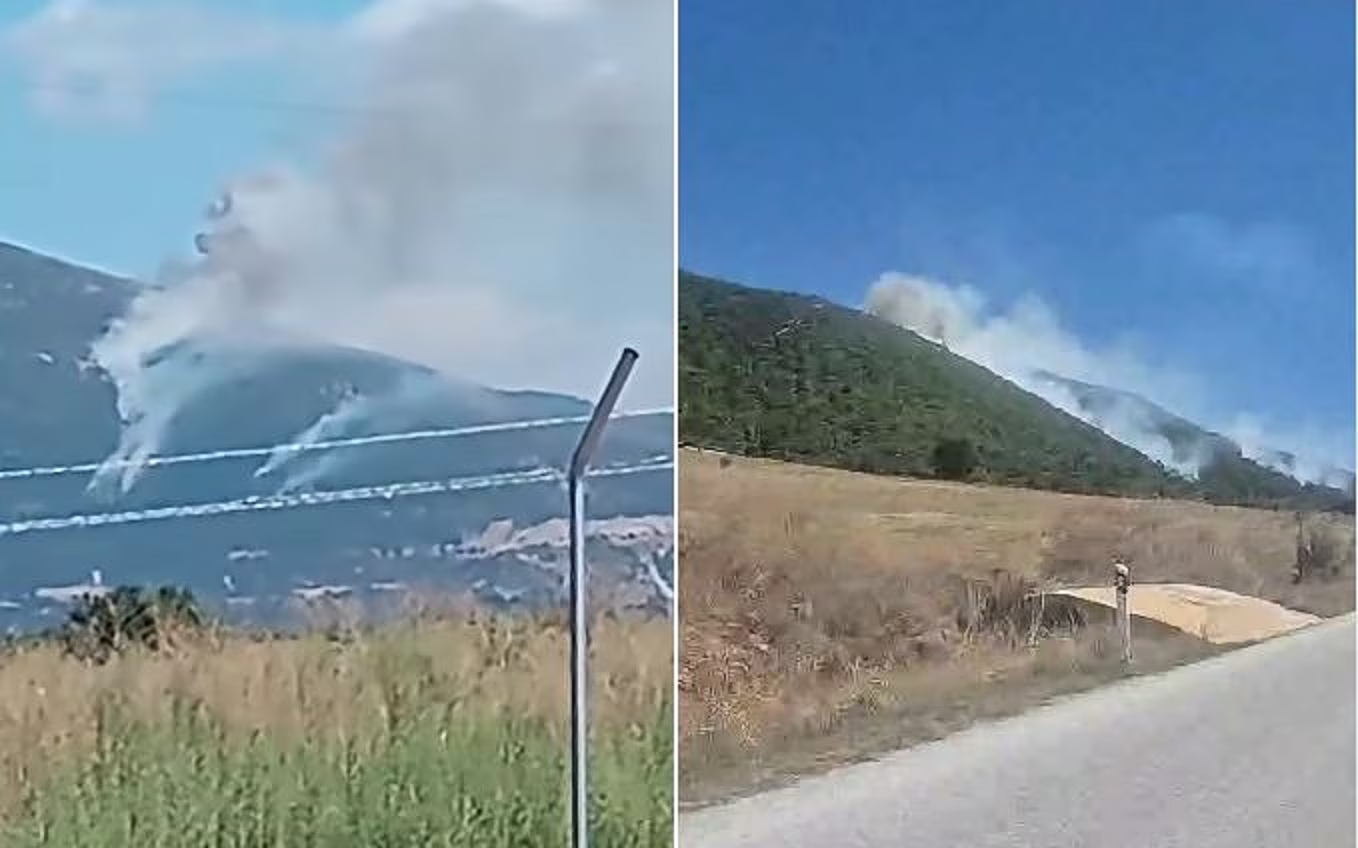
A significant wildfire broke out in the low vegetation of Neochoi, Preveza, Greece, on August 26, 2026, prompting an urgent 112 emergency alert for the wider area. The incident, reported around 16:40, mobilized 25 firefighters, 8 ground vehicles, and 4 aerial assets, including 3 airplanes and 1 helicopter, to combat the blaze. This rapid deployment came as the region was under a Category 3 high fire risk designation, highlighting the persistent challenges Greece faces with summer wildfires. This article explores the details of the response, the broader context of fire prevention, and the implications for local communities.
Initial Response to the Neochoi Wildfire
The wildfire in Neochoi, Preveza, rapidly escalated following its ignition in low vegetation during the late afternoon of August 26, 2026. Emergency services were alerted to the incident at approximately 16:40 local time. The Fire Service Operations Center immediately initiated a comprehensive response, dispatching both ground and aerial units to the scene. This swift action is critical in mitigating the spread of wildfires, especially in areas prone to rapid combustion due to dry conditions.
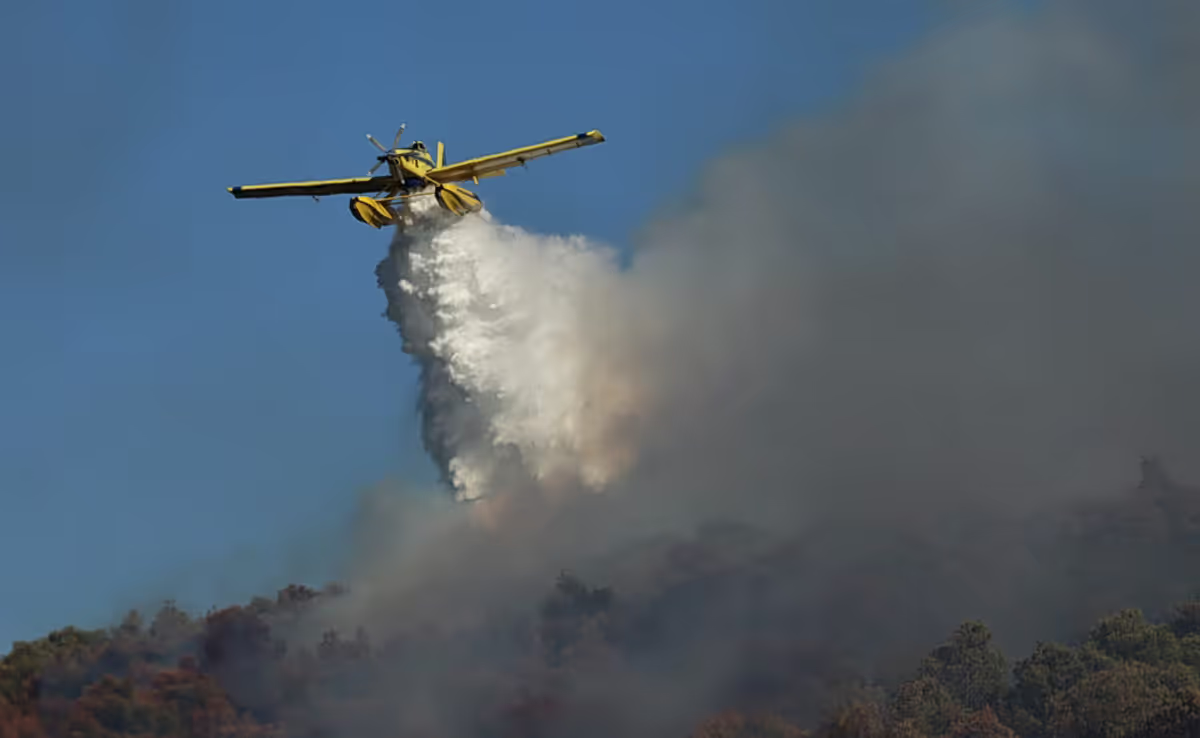
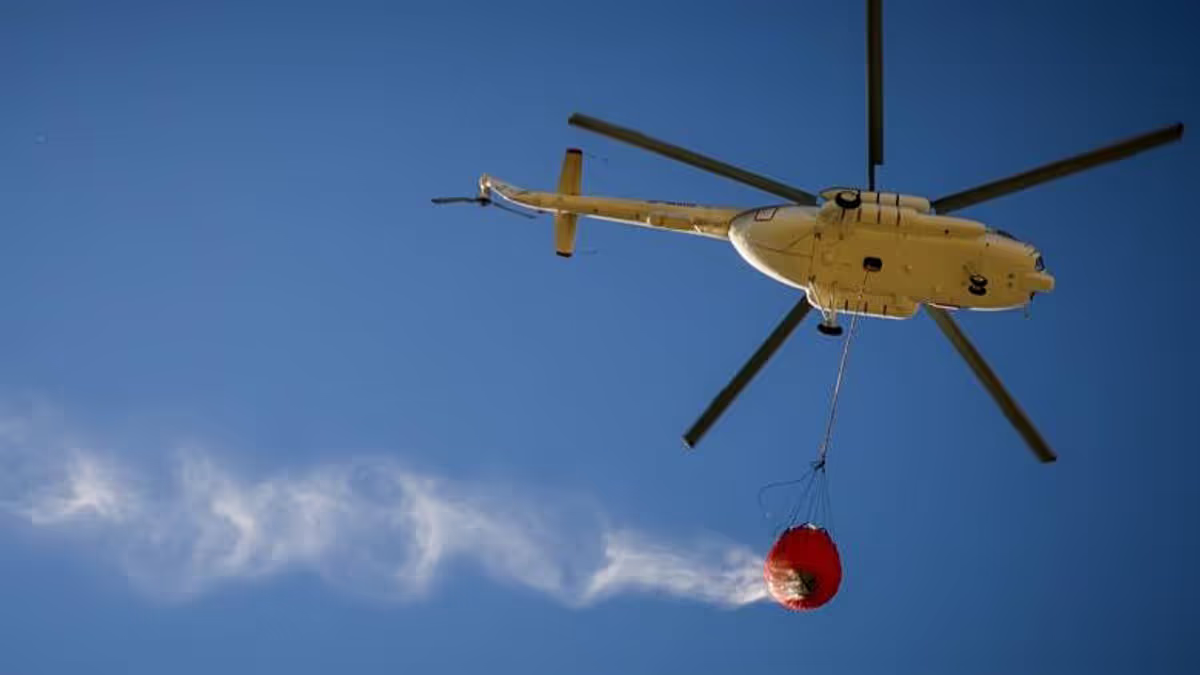
The initial deployment included a substantial force of 25 firefighters, supported by a specialized team from the 5th EMAK (Special Disaster Response Unit) and 8 fire vehicles. Aerial firefighting capabilities were also swiftly mobilized, with 3 airplanes and 1 helicopter joining the efforts to suppress the flames from above. The Municipality of Preveza provided additional support, deploying water tankers to assist the firefighting operations, underscoring the collaborative approach required in such emergencies. According to the Fire Service, the combination of ground and air assets is essential for effective wildfire containment in challenging terrains.
The Role of the 112 Emergency Alert System
Approximately ten minutes after the initial report, at 16:50, a 112 emergency alert was issued to residents in the broader area surrounding the Neochoi wildfire. This automated system serves as a crucial tool for public safety, disseminating timely information and instructions during emergencies. The alert specifically informed individuals about the ongoing fire and advised them on necessary precautions, potentially including evacuation orders or shelter-in-place directives, depending on the severity and trajectory of the blaze.
The 112 system in Greece has proven instrumental in enhancing public awareness and response coordination during natural disasters, particularly wildfires. Its ability to reach a wide audience quickly allows authorities to communicate vital information, thereby minimizing risks to human life and property. The timely issuance of such alerts is a testament to the country's efforts to improve its emergency management infrastructure, especially given the increasing frequency and intensity of extreme weather events, including prolonged heatwaves and droughts that elevate fire risks.
High Fire Risk and Prevention Measures in Preveza
The outbreak of the Neochoi wildfire occurred on a day when the region was designated as being under a Category 3 high risk for fire incidents. This classification indicates a significant likelihood of fires starting and spreading rapidly due to prevailing meteorological conditions, such as high temperatures, strong winds, and low humidity. Such risk assessments are typically based on predictive models that integrate weather forecasts, vegetation dryness, and historical fire data.
In response to these elevated risks, Greek authorities, including the General Secretariat for Civil Protection, routinely issue warnings and implement various preventive measures. These can range from heightened surveillance and patrols in forested areas to restrictions on activities that could potentially spark fires, such as agricultural burning or the use of barbecues. Public awareness campaigns also play a vital role, educating citizens on responsible behavior and the immediate reporting of any suspicious smoke or fire. Despite these efforts, the sheer scale of the landscape and the impact of climate change continue to present formidable challenges in fire prevention across Greece.
Investigation into the Causes of the Fire
Immediately following the deployment of firefighting forces, the Preveza Arson Investigation Department was mobilized to ascertain the cause of the wildfire. Investigating the origins of such incidents is a standard procedure aimed at determining whether a fire was accidental, negligent, or deliberately set. This process involves a meticulous examination of the fire scene, collection of evidence, and interviews with potential witnesses.
Understanding the causes of wildfires is crucial for developing more effective prevention strategies and holding accountable those responsible for illegal or negligent acts. In many cases, human activity, whether intentional or unintentional, is a significant factor in wildfire ignitions. The findings of such investigations can lead to legal action, as well as inform policy changes to reduce future occurrences. The continuous effort to identify and address the root causes of fires is an integral part of Greece's broader strategy for combating environmental devastation.
Frequently Asked Questions
What is the 112 emergency alert system?
The 112 emergency alert system is a pan-European service used in Greece to send urgent notifications to mobile phones in affected areas during emergencies like wildfires, providing vital information and instructions.
How many firefighters and vehicles were deployed to Neochoi?
A total of 25 firefighters, supported by a specialized team and 8 fire vehicles, were mobilized for the ground operations in response to the wildfire in Neochoi, Preveza.
What aerial assets were used to combat the fire?
Aerial firefighting efforts involved the deployment of 3 airplanes and 1 helicopter to assist in suppressing the flames from above in Neochoi, complementing the ground forces.
Why was the Preveza region at high risk on August 26, 2026?
The Preveza region was classified under a Category 3 high fire risk due to prevailing meteorological conditions, including high temperatures, strong winds, and low humidity, which facilitate rapid fire ignition and spread.
Who is investigating the cause of the Neochoi wildfire?
The Preveza Arson Investigation Department has been mobilized to investigate the origins and causes of the wildfire in Neochoi, aiming to determine if it was accidental, negligent, or intentional.
Key Takeaways
- A wildfire erupted in Neochoi, Preveza, Greece, on August 26, 2026, prompting a rapid emergency response.
- The incident triggered a 112 emergency alert, informing residents in the affected area about the fire.
- Firefighting efforts involved 25 firefighters, 8 vehicles, and 4 aerial assets, with support from the Municipality of Preveza.
- The region was under a Category 3 high fire risk, indicating conditions conducive to rapid fire spread.
- An arson investigation unit has been deployed to determine the cause of the wildfire.
The wildfire in Neochoi, Preveza, on August 26, 2026, underscores the persistent and escalating threat of wildfires in Greece, particularly during periods of high environmental risk. The rapid mobilization of emergency services, coupled with the effective use of the 112 alert system, demonstrates the country's commitment to protecting its citizens and natural landscapes. However, the incident also highlights the ongoing need for robust prevention strategies and thorough investigations to mitigate future occurrences. As climate change continues to exacerbate extreme weather conditions, the lessons learned from such events will be crucial in shaping more resilient responses and fostering greater community preparedness against the devastating impact of wildfires.