Arson Investigation Units Mobilize After Two Fires Break Out in Eastern Attica and Euboea
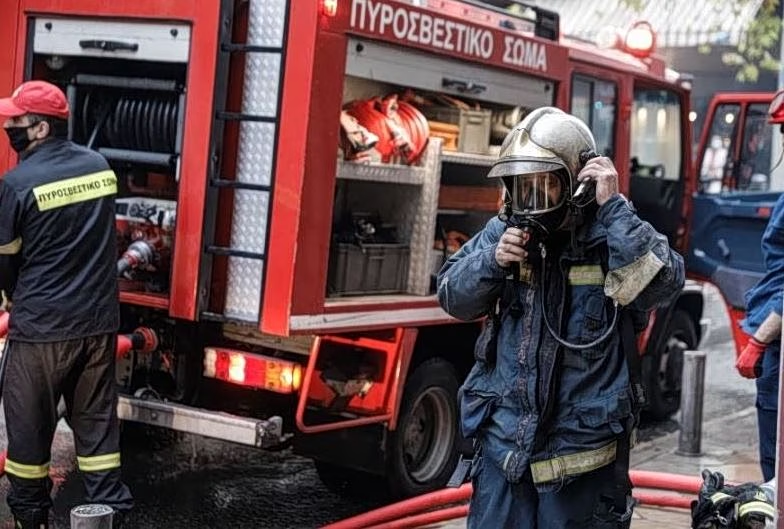
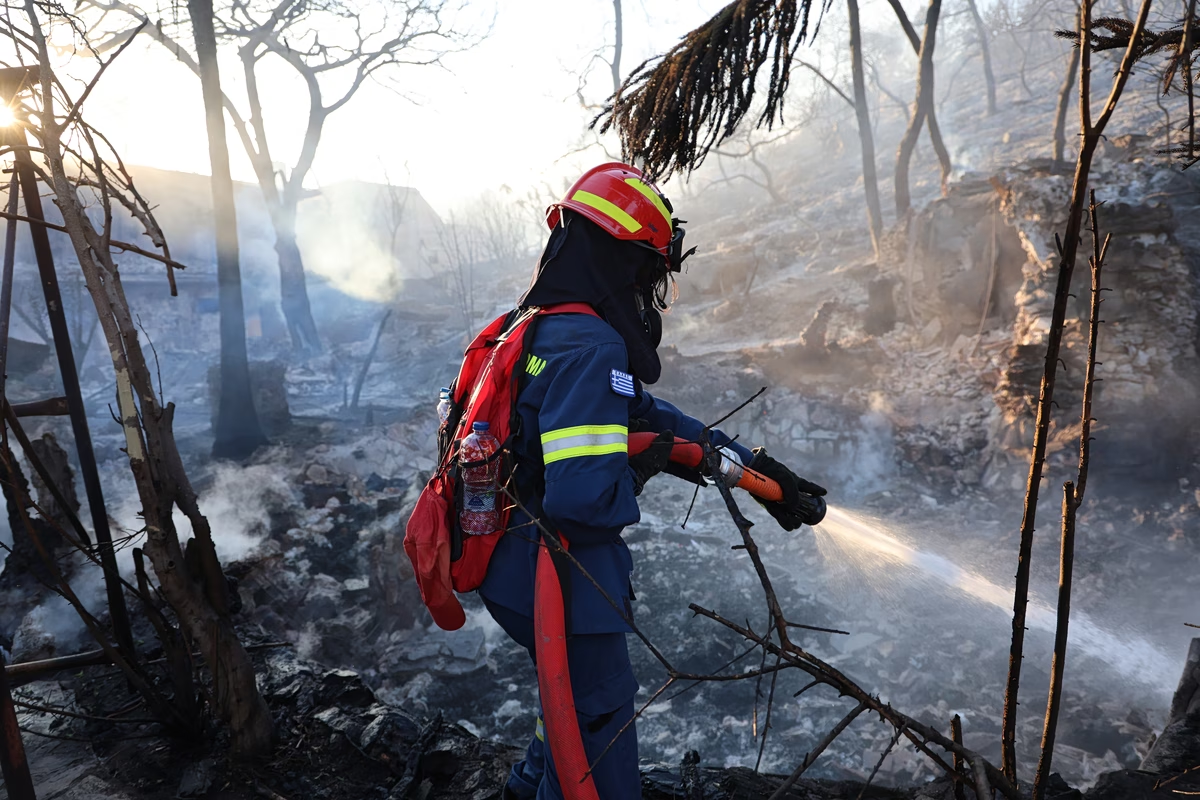
Authorities in Greece moved quickly to respond to two separate fire incidents that broke out in Eastern Attica and the island of Euboea, with specialized arson investigation units of the Hellenic Fire Service deploying to both scenes to determine the cause and identify those responsible.
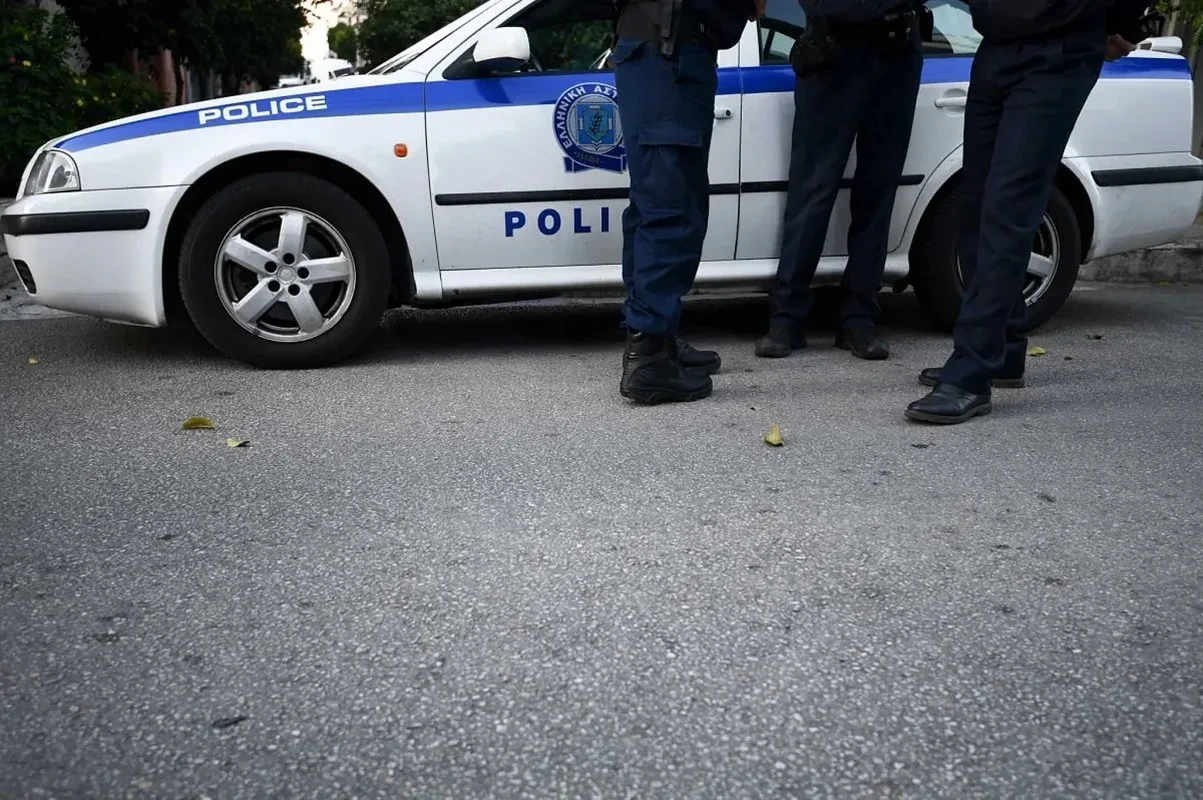
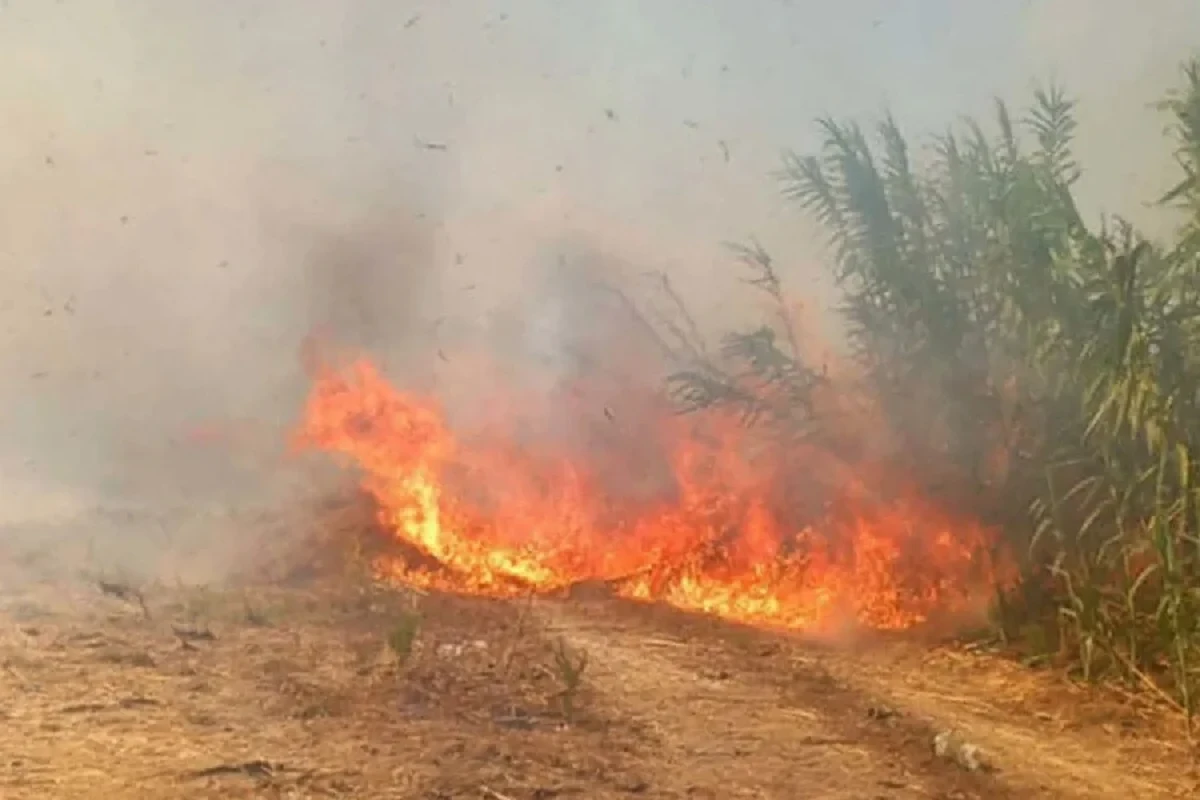
The rapid response led to the arrest of a 39-year-old man who is suspected of deliberately setting fire to dry grass along Lavriou Avenue, one of the main arterial roads connecting Athens to the southeastern Attica peninsula. According to investigators, the suspect used a lighter to ignite the dry vegetation, an act that constitutes intentional arson under Greek law.
Specialized Fire Investigation Teams Take Action
The Investigative Teams for Arson Crime Response, known by their Greek acronym A.K.A.E.E., which operate under the Directorate for Arson Crime Suppression (D.A.E.E.) of the Hellenic Fire Service, were immediately activated following reports of the fires. These specialized units are trained to gather forensic evidence at fire scenes, assess the origin and spread of blazes, and identify whether fires were set deliberately or broke out accidentally.
The swift mobilization of these teams underscores the heightened state of alert that Greek authorities maintain during the summer months, when high temperatures, strong winds, and prolonged dry spells create extremely dangerous fire conditions across the country. Vegetation fires can spread with alarming speed in such conditions, putting communities, wildlife, and critical infrastructure at serious risk.
Suspect Caught After Fire Along Major Road
The 39-year-old suspect was apprehended in connection with a fire that broke out along Lavriou Avenue, a road that runs through areas containing significant stretches of dry scrubland and pine forest. Investigators allege that the individual used a lighter to deliberately ignite dry grass beside the road, an action that could have led to a far larger and more destructive blaze had it not been contained in time.
The suspect now faces charges of intentional arson, a serious criminal offense in Greece that carries substantial penalties. Authorities have not yet released detailed information about the individual's identity or potential motives, citing ongoing investigative procedures.
Eastern Attica and Euboea: Fire-Prone Regions Under Close Watch
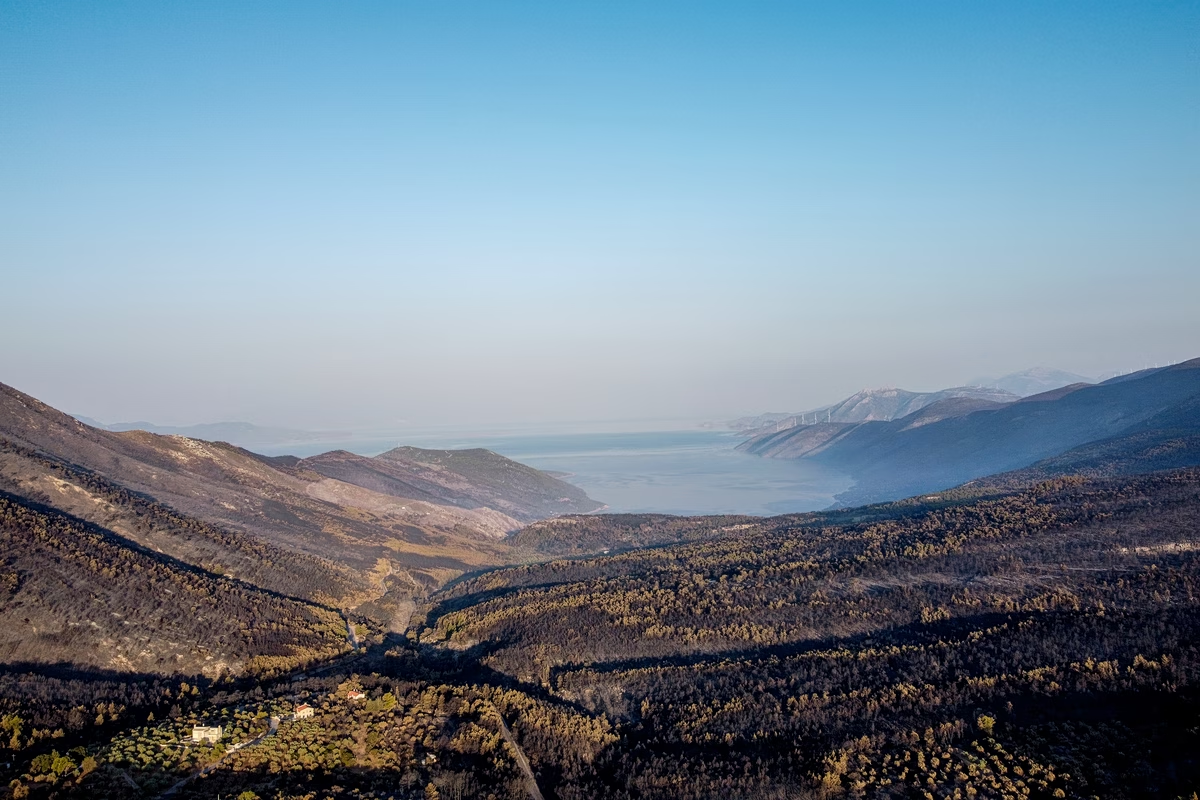
Both Eastern Attica and the island of Euboea have experienced devastating wildfires in recent years, making them areas of particular concern for fire prevention and suppression authorities. Eastern Attica, which encompasses densely forested areas close to the Greek capital, has seen fires destroy homes, displace residents, and cause fatalities in the past. Euboea, Greece's second-largest island, suffered catastrophic fires in 2021 that burned tens of thousands of hectares of forest and agricultural land, leaving lasting environmental and economic damage.
The vulnerability of these regions to fire has prompted Greek authorities to increase surveillance, improve emergency response infrastructure, and tighten enforcement of laws related to arson and negligent fire-starting behavior. The deployment of arson investigation units to both locations on the same day reflects the scale of the challenge that officials face in protecting these areas during peak fire season.
Legal Framework for Arson in Greece
Under Greek law, intentional arson is treated as a serious felony, particularly when it results in the destruction of forested areas or endangers human lives. Penalties can include lengthy prison sentences, and courts have increasingly taken a firm stance against individuals found guilty of deliberately setting fires in natural environments.
Authorities have repeatedly called on the public to report any suspicious behavior near forested or vegetation-covered areas, particularly during the summer months when fire risk is at its highest. Citizens are also urged to avoid activities that could accidentally spark fires, such as discarding lit cigarettes, lighting bonfires without authorization, or using agricultural machinery near dry vegetation during periods of high fire danger.
Broader Context: Greece's Ongoing Battle Against Wildfires
Greece faces a persistent and growing challenge from wildfires, driven in part by climate change, which has contributed to hotter and drier summers across the Mediterranean region. Each year, fire services respond to thousands of incidents across the country, ranging from small brush fires to major blazes that require aerial support and international assistance.
The government has invested in expanding the capacity of the Hellenic Fire Service, including increasing personnel numbers, acquiring new firefighting aircraft, and improving early warning systems. However, officials acknowledge that enforcement efforts against deliberate fire-starting remain a critical component of any comprehensive fire prevention strategy.
Cases like the one involving the 39-year-old suspect on Lavriou Avenue highlight the human factor in Greece's wildfire problem. While many fires are caused by accidental ignition or natural factors, a significant proportion are believed to be set deliberately, whether for personal reasons, to clear land illegally, or through acts of vandalism or negligence.
Public Awareness and Preventive Measures
Fire prevention campaigns in Greece have intensified in recent years, with authorities using social media, television broadcasts, and community outreach programs to educate the public about fire risks and the legal consequences of arson. Emergency services also maintain close coordination with local municipalities, the police, and civil protection agencies to ensure a rapid and effective response whenever fires break out.
The investigation into both fires — the one in Eastern Attica where the suspect was arrested and the separate incident in Euboea — remains active. Authorities have indicated that they will pursue all available evidence to establish the full circumstances of each case and bring those responsible to justice.
As Greece continues to grapple with the dual pressures of climate-driven fire risk and the persistent threat of deliberate arson, incidents such as these serve as a stark reminder of the importance of vigilance, swift law enforcement action, and a strong legal deterrent against those who endanger lives and natural landscapes through intentional fire-setting.