Fugitive Prisoner Located and Arrested in Northern Greece
Greek law enforcement authorities successfully tracked down and arrested a 33-year-old man in the northern city of Kozani, following his escape from a minimum-security agricultural correctional facility in the Halkidiki region. The arrest brings to a close a manhunt that had been initiated after the individual was discovered missing from the Kassandra Agricultural Prison in Halkidiki.
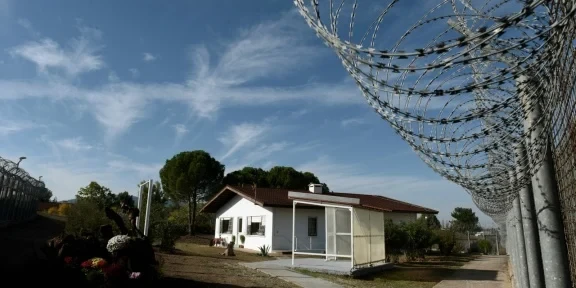
The man had been serving a custodial sentence of 30 months at the facility, having been convicted on charges related to domestic violence. Agricultural prisons in Greece are generally considered lower-security institutions, designed to allow inmates to participate in farming and labor activities as part of their rehabilitation process. The nature of these facilities, while offering a more open environment for inmates, also presents particular challenges when it comes to preventing unauthorized departures.
Details of the Escape and Subsequent Investigation
Authorities launched an immediate search operation following the discovery that the 33-year-old had absconded from the Kassandra facility. The Kassandra Agricultural Prison is located in the Halkidiki peninsula, a region in northern Greece known primarily for its coastline and tourism activity. The escape prompted coordinated efforts across multiple jurisdictions as law enforcement worked to determine the fugitive's whereabouts and likely movements.
The search eventually led investigators to Kozani, a city situated in the western Macedonia region of Greece. Police in Kozani were alerted and assisted in the operation that ultimately led to the man's apprehension. The precise timeline of events between the escape and the arrest, as well as the specific methods used to locate the individual, have not been fully detailed by the relevant authorities.
Background: Domestic Violence Conviction
The 33-year-old had been incarcerated following a conviction for domestic violence, an offense that Greek law treats with increasing seriousness in recent years. Domestic violence remains a significant social concern across many countries, including Greece, where legislative measures and law enforcement protocols have been progressively strengthened to address incidents occurring within family or household settings.
A 30-month prison sentence reflects the judiciary's assessment of the severity of the offenses committed by the individual. While the specific circumstances of the case that led to his original conviction have not been publicly disclosed, the sentence places the crime within a range considered moderately serious under Greek criminal law regarding domestic abuse.
Agricultural Prisons and Security Considerations
Agricultural penitentiaries in Greece serve a specific role within the country's correctional system. These institutions are intended to provide inmates with an opportunity to engage in structured, productive work in agricultural settings, which is widely regarded as a positive element in rehabilitation programs. Prisoners housed in these facilities are typically those deemed to present a lower risk to public safety, based on the nature of their offenses and their behavior during incarceration.
However, escapes from such facilities, while relatively uncommon, do occur and present law enforcement with the challenge of locating individuals who may have had some degree of freedom of movement within the institution prior to their flight. The relatively open environment of agricultural prisons means that the window of opportunity for an escape can be wider compared to higher-security institutions.
Incidents of this nature often prompt discussions about the balance between rehabilitation-focused correctional approaches and the need to ensure that individuals serving court-mandated sentences complete their terms in custody. Authorities are typically called upon to review protocols following such incidents to minimize the likelihood of future occurrences.
Next Steps Following Recapture
Following his arrest in Kozani, the 33-year-old was expected to be processed by local police before being transferred back into custody. Individuals who escape from correctional facilities in Greece typically face additional criminal charges related to the escape itself, which can result in further penalties being added to their existing sentences.
The case is likely to be reviewed by prison administrators at the Kassandra facility, as well as by the broader correctional oversight bodies, to assess how the escape occurred and what measures might be implemented to prevent similar incidents. Staff protocols, inmate monitoring practices, and perimeter security arrangements at agricultural facilities may all come under scrutiny as part of any internal review process.
Law enforcement agencies involved in the manhunt, including those operating across the different regional jurisdictions between Halkidiki and Kozani, are expected to receive recognition for the successful and relatively swift resolution of the case. Cooperative efforts between regional police units are considered essential in fugitive recovery operations, particularly when an escaped individual moves across administrative boundaries.
Community and Institutional Impact
Escapes from correctional facilities, regardless of their security classification, tend to generate a degree of concern within nearby communities. Residents in the vicinity of agricultural prisons may feel unsettled when they learn that an inmate has left the facility without authorization, even if the individual in question does not present an immediate threat to public safety.
In this instance, the relatively quick apprehension of the fugitive in Kozani is likely to provide some reassurance both to the public and to the institutions involved. The outcome underscores the capacity of Greek law enforcement to coordinate effectively across regions when responding to correctional escapes, and highlights the importance of inter-agency communication in such situations.
The case also serves as a reminder of the ongoing challenges faced by correctional systems in balancing rehabilitative goals with the fundamental obligation to ensure that sentences handed down by the courts are fully served. As Greece continues to develop its approach to criminal justice and prison management, incidents such as this one contribute to the broader conversation about how best to structure and oversee lower-security correctional environments.