The satirical lens of Arkas on seasonal transitions
Renowned cartoonist Arkas has released a new sketch that uses humor to address the societal shift occurring during the clock change. Published on Sunday, October 25, 2026, the piece serves as a lighthearted greeting to the public while acknowledging the practical implications of the time adjustment. Arkas is widely recognized for his ability to transform everyday occurrences into relatable social commentary through his distinctive drawing style.
The recent shift marks the return to winter time, a period characterized by shorter days and longer nights. For many, this transition is welcomed due to the immediate benefit of gaining an extra hour of sleep. By focusing on this specific relief, Arkas taps into a universal sentiment shared by many individuals navigating the complexities of modern schedules and the biological desire for rest.
The 'sleep debt' concept in the latest sketch
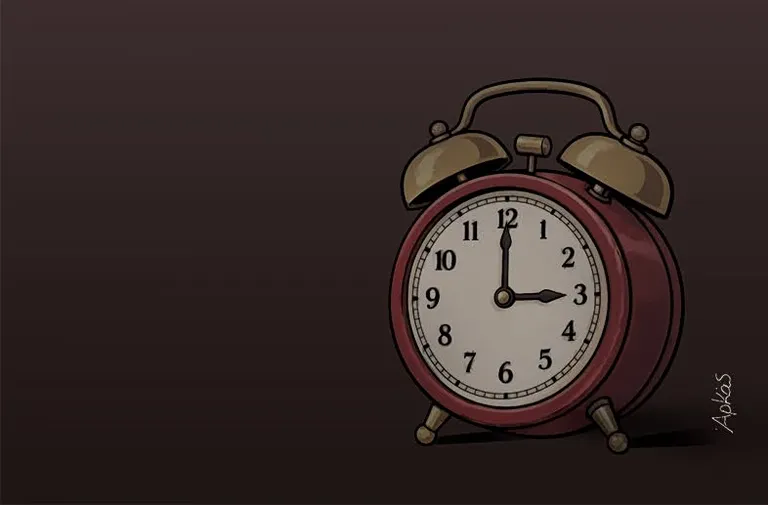
The core of the new cartoon revolves around a central, humorous warning regarding the temporary nature of this extra rest. Featuring an image of an alarm clock, the sketch includes the biting phrase: "Have you had enough sleep? In March, the bill comes due." This clever phrasing highlights the cyclical reality of daylight saving time transitions.
According to the context provided by the publication on October 25, 2026, the cartoonist is pointing out that the hour gained today is essentially a loan. While the transition to winter time provides an immediate boost to sleep duration, this benefit is temporary. The "bill" refers to the upcoming shift in March, when the clocks move forward again, effectively reclaiming that lost hour and marking the beginning of summer time.
Understanding the cyclical nature of clock changes
Clock changes represent a recurring phenomenon that affects global rhythms and personal habits. The transition mentioned by Arkas illustrates the tension between the immediate comfort of winter time and the eventual disruption caused by the return to summer time. This seasonal oscillation is a frequent subject for social satire because it affects almost everyone simultaneously.
When the clocks move forward in March, the sudden loss of an hour can lead to temporary fatigue and a sense of disorientation. By framing this as a "bill" or a "debt," Arkas provides a way for people to laugh at a minor but universal inconvenience. His work serves as a reminder that the comforts of the current season are inextricably linked to the changes that the next season will inevitably bring.
Frequently Asked Questions
What is the main theme of the Arkas cartoon?
The main theme is the humorous observation of the transition to winter time. Arkas uses the extra hour of sleep provided by the clock change to joke about the inevitable loss of that same hour when the clocks move forward again in March.
Why does Arkas mention a "bill" in his sketch?
The mention of a "bill" is a metaphorical way to describe the loss of time in March. It suggests that the extra hour of sleep gained during the autumn transition is essentially borrowed time that must be "repaid" when summer time begins.
When does the time change mentioned in the article occur?
The article refers to the transition to winter time occurring around October 25, 2026. It also notes that the subsequent shift back to summer time, which results in the loss of an hour, takes place in March.