Why did the IX European Forum on Historic Gardens gather in Athens?
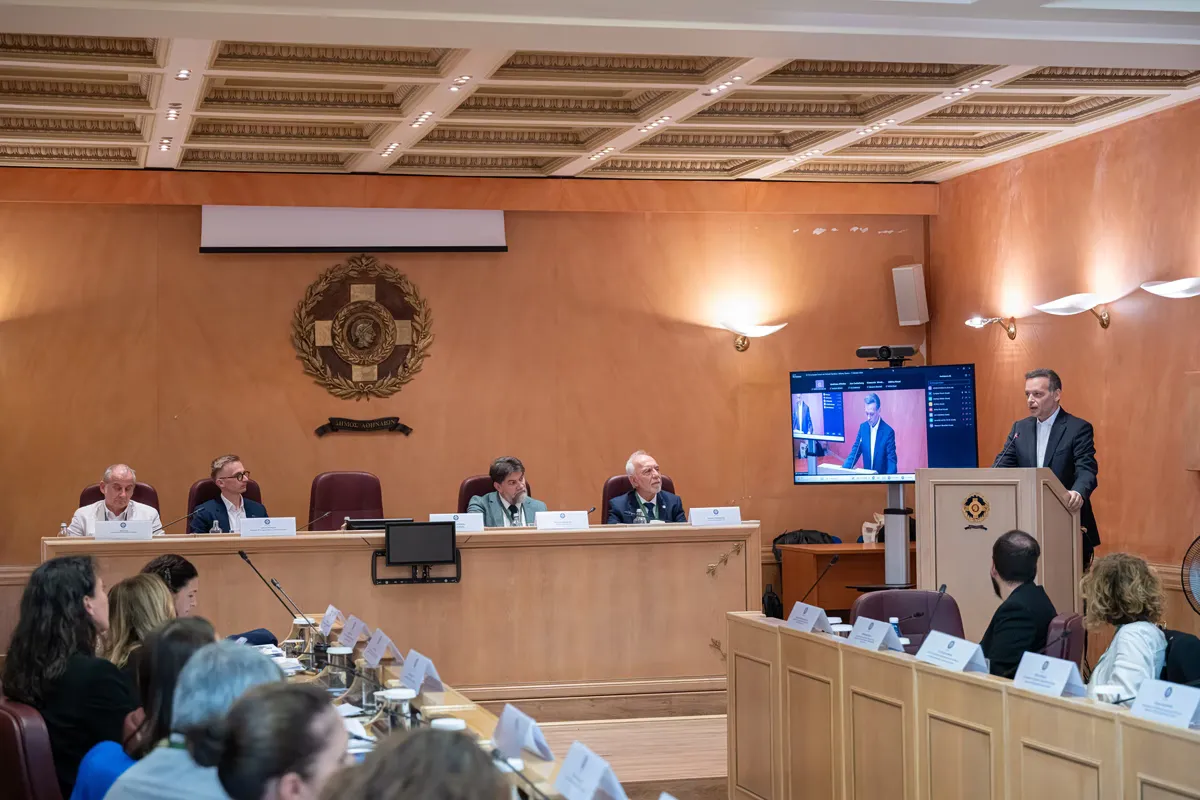
The IX European Forum on Historic Gardens, themed "Historic Gardens Grow Europe," served as a critical platform for discussing how historical landscapes can meet the evolving requirements of modern cities. Held in Athens between October 7 and 9, 2026, the event marked a significant milestone in the field of landscape architecture and heritage management.
The forum was not merely a scientific gathering but also a strategic meeting for the European Route of Historic Gardens (ERHG). By hosting the ERHG General Assembly alongside the forum, Athens positioned itself at the heart of a continental network dedicated to the protection of botanical and historical landmarks. The scale of the event was unprecedented; according to the Municipality of Athens, the gathering saw 130 participants, representing the highest attendance in the institution's history.
Participants included a diverse array of professionals, such as:
- Environmental scientists specializing in urban ecosystems.
- Cultural heritage experts focused on historical preservation.
- Representatives from international cultural organizations.
- Specialists in green space management.
The primary objective was to explore how these "living monuments" can be preserved without losing their relevance to the citizens who inhabit the cities surrounding them. The forum addressed the tension between maintaining historical authenticity and adapting to the pressures of urban expansion and climate change.
How does the National Garden serve as a model for green management?
The National Garden in Athens is being utilized as a benchmark for sustainable green management throughout Greece. During the forum, the garden was highlighted not just as a recreational space, but as a vital component of the city's identity and ecological health.
Haris Doukas, the Mayor of Athens, emphasized that the National Garden is deeply intertwined with the history and identity of the capital. He noted that the municipality maintains a continuous commitment to the site, viewing it as a living entity that requires constant evolution to remain functional and protected. This approach shifts the view of the garden from a static museum piece to a dynamic urban asset.
Strategic maintenance and modernization efforts
To ensure the National Garden remains a viable historical and ecological resource, several specific management projects have been implemented. These initiatives aim to balance the preservation of the garden's unique character with the need for modern accessibility and education. Key projects include:
- Botanical enhancement: The ongoing planting of new tree species to bolster the garden's biodiversity and canopy cover.
- Hydrological restoration: Efforts dedicated to the restoration of the garden's lake, which is essential for both the ecosystem and the aesthetic value of the site.
- Infrastructure upgrades: The redesign of the entrance on Amalias Avenue to improve flow and integration with the surrounding urban fabric.
- Digital integration: The installation of 120 signage units equipped with QR codes, allowing visitors to access detailed historical and botanical information instantly.
- Educational outreach: The development of specialized programs designed to engage children and foster a sense of stewardship in future generations.
By combining these physical and digital improvements, the municipality seeks to safeguard the garden's unique character while making it more accessible to a diverse public.
What is the significance of gardens as "living monuments"?
The concept of historic gardens as "living monuments" was a recurring theme throughout the forum, distinguishing these spaces from traditional stone and mortar heritage sites. Unlike architectural monuments, gardens are biological entities that require active, ongoing intervention to survive.
Nikolas Flournarakis, CEO of National Garden-Metropolitan Green S.A., stated that it is a duty to preserve these spaces because they are living expressions of European history and landscape artistry. He argued that the high level of participation in the 2026 forum serves as a declaration of confidence in the management strategies currently employed by the National Garden administration.
This perspective suggests that the management of historic gardens requires a unique skill set that blends:
- Historical scholarship: Understanding the original design intent and the cultural context of the landscape.
- Biological expertise: Managing plant health, soil quality, and water resources in an urban environment.
- Urban planning: Integrating the garden into the wider city infrastructure to ensure it serves the public interest.
The consensus among experts was that treating a garden as a living monument means accepting that change is inevitable, but that such change must be guided by the principles of historical continuity and ecological integrity.
What are the broader implications for European urban heritage?
The discussions in Athens underscored a broader European trend: the necessity of integrating cultural heritage into the core of urban sustainability strategies. As cities face increasing heat island effects and biodiversity loss, historic gardens offer a proven template for resilience.
The forum highlighted that the protection of these spaces is not an isolated task for historians but a central concern for urban planners and policymakers. The "Historic Gardens Grow Europe" theme suggests that these sites are essential for the growth and well-being of European cities, providing both cultural depth and environmental services.
The success of the Athens forum demonstrates that there is a growing international appetite for collaborative management models. By participating in the European Route of Historic Gardens, cities can share best practices, pool resources, and create a unified front in the fight to protect these irreplaceable green assets from the pressures of modern urbanization.
Frequently asked questions
What was the main theme of the IX European Forum on Historic Gardens?
The main theme was "Historic Gardens Grow Europe." The forum focused on the importance of protecting cultural heritage through the lens of historic gardens and how these spaces can meet the modern needs of European cities while remaining preserved as historical landmarks.
How many experts attended the 2026 forum in Athens?
The event saw a record-breaking attendance of 130 participants. This group included scientists, specialists in green management, and representatives from various cultural organizations from across Europe, marking the largest participation in the history of the forum.
What specific improvements are being made to the National Garden?
The Municipality of Athens is implementing several upgrades, including planting new trees, restoring the lake, redesigning the Amalias Avenue entrance, and installing 120 QR-coded information signs. They also run educational programs to engage the public and younger generations.
Who is responsible for the management of the National Garden?
The National Garden is managed under the auspices of the Municipality of Athens, with operational oversight involving National Garden-Metropolitan Green S.A. The administration focuses on both the biological maintenance and the historical preservation of the site.
What is the European Route of Historic Gardens (ERHG)?
The ERHG is a network that promotes and protects historical gardens across Europe. It facilitates cooperation between different sites and organizations to ensure that these "living monuments" are maintained and recognized as vital parts of European cultural and landscape history.
Key takeaways
- The IX European Forum on Historic Gardens in Athens saw a record 130 international participants.
- The National Garden is being treated as a model for sustainable urban green management in Greece.
- Management strategies include digital integration via 120 new QR-coded information signs.
- The forum emphasized that historic gardens are "living monuments" requiring constant biological and historical care.
Conclusion
The IX European Forum on Historic Gardens has firmly established Athens as a central hub for the discussion of urban heritage and environmental management. By showcasing the National Garden as a dynamic, evolving resource rather than a static relic, the municipality has provided a blueprint for how historical landscapes can thrive in the 21st century. The high level of international engagement suggests a growing recognition that the preservation of these living monuments is essential for the ecological and cultural resilience of European cities. As the ERHG continues its work, the lessons learned in Athens will likely influence green management strategies across the continent.