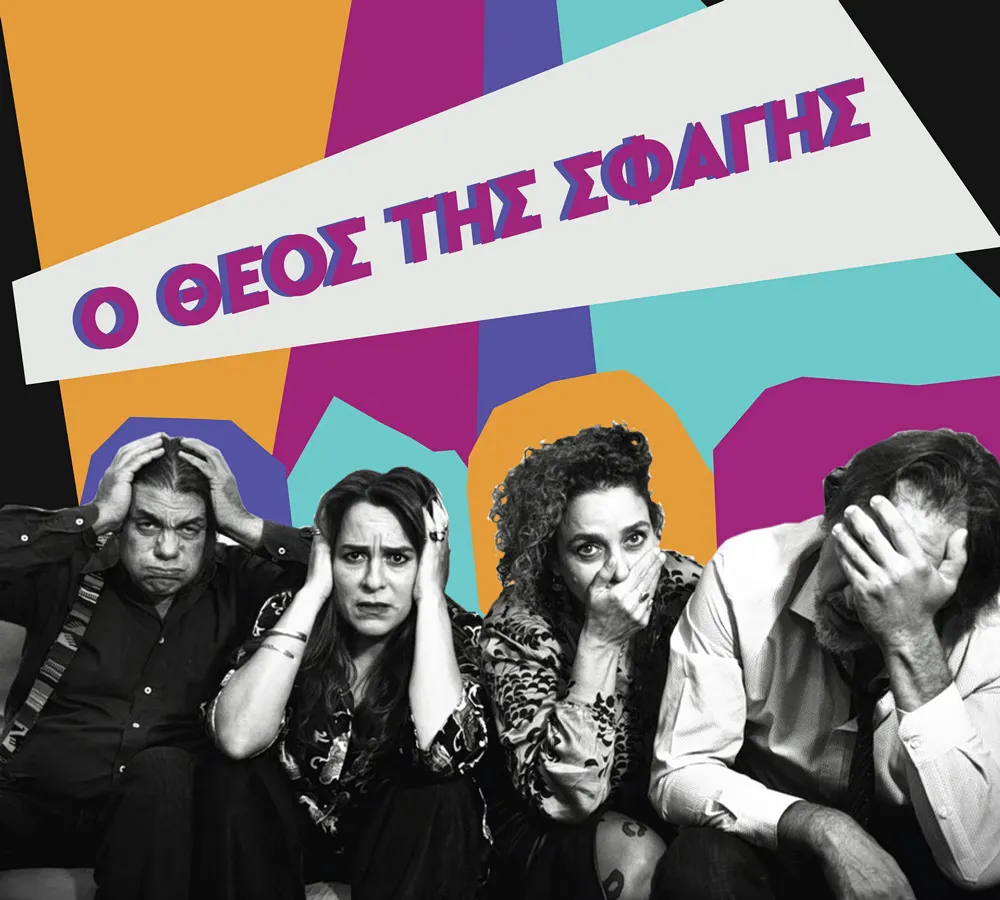
What is the premise of the God of Carnage production?
The production centers on a confrontation between two sets of parents following an act of school violence. The narrative is ignited when an eleven-year-old boy, Ferdinand, strikes his classmate, Bruno, causing two of his teeth to break. This physical altercation forces the parents to move beyond their daily routines and engage in a direct meeting to resolve the conflict.
What begins as a seemingly well-intentioned, peaceful discussion between responsible adults rapidly descends into a chaotic and aggressive struggle. As the meeting progresses, the characters' social veneers begin to crack. The polite, polished exteriors they present to the world are stripped away, revealing underlying tensions and deep-seated emotions.
The play serves as a psychological study of how quickly social order can dissolve. Through the interaction of the four characters, the audience witnesses the emergence of unbridated anger, rage, and suppressed violent instincts. This transformation highlights the fragility of the social contracts that govern modern human interaction.
How does the play address themes of violence and civilization?
Yasmina Reza uses dark humor and sarcasm to interrogate the concepts of civilization and barbarism. The play suggests that the structures of urban culture—the manners, the etiquette, and the perceived sophistication—are often just thin masks hiding a more primitive nature. By placing these characters in a deconstructed urban setting, the production forces them to confront their own contradictions.
The central conflict is not merely about the broken teeth of a child, but about the systemic issues that allow such violence to exist. The play explores how school violence is often a symptom of much broader, more pervasive forms of aggression that are nurtured and overlooked within society. It asks whether true civilization is possible when the primal instincts of the individual remain so close to the surface.
The duality of human nature in contemporary drama
The production emphasizes the duality of the human condition. On one hand, the characters represent the ideal of the modern, educated, and controlled citizen. On the other hand, they represent the raw, uninhibited impulses that define much of human history. This tension is what drives the play's momentum, moving from intellectual debate to physical and emotional combat.
By using comedy to deliver these heavy truths, the production follows the wisdom of George Bernard Shaw, who noted that telling people the truth is more effective when accompanied by laughter. This approach allows the audience to engage with uncomfortable realities without immediate psychological rejection, creating a space for reflection on their own behaviors and societal norms.
What is the directorial vision for this season?
Directors Zorzina Tzoumakas and Christina Christofie aim to hold a mirror up to the audience, exposing the neuroses and ideologies that define modern life. The setting is a deconstructed urban salon, a space that feels familiar yet stripped of its comforting domesticity. This environment serves to isolate the characters and amplify their psychological outbursts.
The directorial approach is characterized by a balance of sympathy and relentless exposure. The directors treat the characters with understanding, acknowledging the pressures of modern existence, yet they also present them in a way that is playful and critical. This "wink" to the audience invites them to participate in the critique of the characters' pretensions.
The ultimate goal of the production is to prompt self-reflection. By watching the characters' social masks fall, the audience is encouraged to ask whether they, too, are capable of such sudden regressions. The production seeks to reveal the "unbroken" self, stripping away the illusions of control that people use to navigate their social lives.
Who is the cast performing in the new season?
The production features a quartet of actors who portray characters designed to be relatable to any modern audience. The cast includes Evangelia Kapogianni, Maria Branidou, Vasilis Poulakos, and Dimostheni Filippa. These performers are tasked with navigating the complex emotional shifts required by the script, moving from composed civility to primal fury.
The characters are written to be archetypes of the people we encounter daily: neighbors, colleagues, or even versions of ourselves. This relatability is crucial for the play's impact, as it prevents the audience from distancing themselves from the unfolding chaos. The performances must ground the heightened drama in a reality that feels authentic and recognizable.
| Role Aspect | Production Detail |
|---|---|
| Directors | Zorzina Tzoumakas & Christina Christofie |
| Lead Cast | E. Kapogianni, M. Branidou, V. Poulakos, D. Filippa |
| Primary Venue | Studio Mavromichali |
| Core Themes | School violence, civilization vs. barbarism, social masks |
Frequently asked questions
What is the main plot of God of Carnage?
The plot follows two sets of parents meeting to discuss a violent incident between their children. An eleven-year-old boy has broken his classmate's teeth, and the resulting meeting between the adults devolves from a polite conversation into a fierce, uninhibited conflict that exposes their true natures.
Who wrote the play God of Carnage?
The play was written by Yasmina Reza. Her work is known for using sharp humor and sarcasm to explore deep psychological truths and the complexities of human relationships, often focusing on the tension between social decorum and primal instincts.
Where is the play being performed?
The current season of the production is being staged at Studio Mavromichali. This venue hosts the limited run of performances for this second season of the acclaimed work.
What are the central themes of the production?
The central themes include the nature of school violence, the fragility of civilization, and the thin line between social etiquette and primal aggression. It examines how modern individuals maintain social masks and what happens when those masks are forcibly removed.
Who is directing the new season?
The production is co-directed by Zorzina Tzoumakas and Christina Christofie. Their vision focuses on exposing the neuroses and ideologies of contemporary characters through a deconstructed urban setting and a blend of sympathy and satirical exposure.
Key takeaways
- The play returns to Studio Mavromichali for a second season of limited performances.
- The story is triggered by a physical altercation between two eleven-year-old schoolmates.
- Directors Tzoumakas and Christofie use a deconstructed salon to explore human neuroses.
- The production explores how social masks fail during moments of intense conflict.
The enduring relevance of the social mask
The return of God of Carnage to the stage serves as a potent reminder of the complexities inherent in human social structures. By stripping away the veneer of politeness, the production forces a confrontation with the raw instincts that lie beneath modern civilization. It is not merely a play about a schoolyard fight, but a profound investigation into the stability of our collective identity. As the characters lose control, the audience is left to contemplate the precariousness of their own social standing and the true nature of the civilization they inhabit.