How did the Greek language shape the Jewish diaspora?
The Greek language functioned as a vital bridge between diverse cultures during the Hellenistic and Early Christian eras. For many Jewish communities living in the diaspora, particularly in the East, Greek was not merely a second language for trade but had become a primary mother tongue. This linguistic integration was a direct consequence of the cultural expansion initiated by the Seleucid dynasty, which promoted Greek education and customs across its territories.
This linguistic evolution created a stratified society within the Jewish diaspora. While many remained rooted in Semitic traditions, a significant portion of the population adopted the Greek language and the broader framework of Hellenic education (paideia). This adoption was not limited to casual conversation; it influenced the very structure of religious and social identity, creating a class of individuals who navigated both Jewish heritage and Greek cultural norms.
The role of the Seleucid dynasty
The Seleucid Empire played a decisive role in the Hellenization of the Near East. By establishing Greek-style cities and educational institutions, they ensured that the Greek language became the lingua franca of administration, culture, and intellect. For the Jewish populations under their influence, adopting Greek was often a prerequisite for social mobility and participation in the wider Mediterranean world.
Who were the 'Helleneists' in the Jewish community?
Helleneists (or Hellenized Jews) constituted a specific category of Jewish people who were characterized by their closer alignment with Greek culture. According to the historical context provided by Vangelis Stergiopoulos, these individuals were often less strictly devoted to traditional Jewish law compared to their Semitic-speaking counterparts. This distinction was significant enough to result in the establishment of separate synagogues tailored to their specific cultural and linguistic needs.
The distinction between these two groups is explicitly noted in the Acts of the Apostles, which describes a tension between the Hellenistic Jews and the 'Hebrews' (those who spoke Semitic languages such as Aramaic or Hebrew). This friction was not merely cultural but was deeply embedded in the religious practices and the way these communities interpreted their laws and traditions.
Societal distinctions and religious practice
The division between Hellenistic Jews and traditionalists created a complex internal dynamic within Judaism. The Helleneists' willingness to integrate Greek elements into their lives led to a unique form of Hellenistic Judaism. This group maintained their Jewish identity while simultaneously participating in the cultural life of the Hellenistic world, often leading to debates regarding the strictness of religious observance and the preservation of ancestral customs.
What was the linguistic impact on Early Christianity?
The Greek language was fundamental to the emergence and spread of the early Christian Church. Because much of the Levant and Palestine was significantly Hellenized during this period, Greek served as the primary medium for communication among the early followers of Christ. This linguistic environment facilitated the rapid dissemination of Christian teachings across different ethnic and social boundaries.
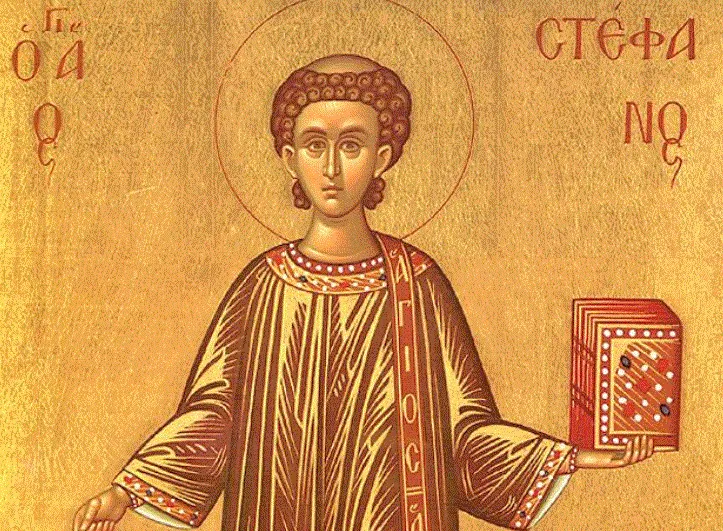
The influence of Greek is most evident in the leadership of the early Church. Many of the most prominent figures, including the Apostles and the Seven Deacons, were proficient in Greek. For instance, Stephen, recognized as the first martyr, was part of this Greek-speaking leadership. This proficiency allowed the early Christian message to be articulated in a way that was accessible to the broader Mediterranean population, moving beyond the linguistic confines of Semitic-speaking communities.
How did Greek function in economic and daily life?
Beyond religious and scholarly circles, the Greek language was an essential tool for economic activity. In the ancient world, Greek served as the language of commerce and transaction. Even within Jewish communities that maintained strong religious ties to Hebrew or Aramaic, Greek was the practical choice for conducting business and engaging in trade.
This economic necessity meant that Greek was present in the marketplaces, the ports, and the administrative centers of the Levant. The ability to speak and write Greek was a practical requirement for anyone involved in the complex trade networks that connected the East to the rest of the Mediterranean. Consequently, the language became deeply woven into the fabric of daily life, regardless of one's religious affiliation.
Key takeaways
- Hellenized Jews, or Helleneists, formed a distinct group within the Jewish diaspora with unique religious practices.
- The Seleucid dynasty was a primary driver behind the widespread adoption of Greek culture and language.
- The Greek language was a mother tongue for many Jews living in Eastern diaspora communities.
- Early Christian leaders, including the Apostles and the Seven Deacons, were proficient in Greek.
- Greek served as the essential lingua franca for economic transactions and trade in the ancient Levant.
FAQ: Hellenized Jews and Greek influence
What is the difference between Helleneists and traditional Jews?
Helleneists were Jews who had adopted Greek language and education (paideia). They were often less strictly observant of traditional Jewish law and maintained separate synagogues, distinguishing them from the Semitic-speaking Jews who adhered more closely to traditional customs and languages like Aramaic.
How did the Seleucids affect Jewish culture?
The Seleucid dynasty promoted Hellenization through the spread of Greek culture and administration. This influence led many Jewish populations in the East to adopt the Greek language and educational standards, creating a hybrid cultural identity within the Jewish diaspora.
Why was Greek important to the early Church?
Greek was the dominant language of the Mediterranean during the Early Christian period. Because many Apostles and early leaders like Stephen were proficient in Greek, the language allowed Christian teachings to spread efficiently across diverse geographic and cultural regions.
Was Greek used for business in Jewish communities?
Yes, Greek was widely used for economic activities and commercial transactions. Even for those who spoke Hebrew or Aramaic for religious purposes, Greek was the practical language for trade and business in the Hellenized Levant.
What does the Bible say about the tension between these groups?
The Acts of the Apostles records a distinction between Hellenistic Jews and those who spoke Semitic languages. This division highlights the cultural and linguistic tensions that existed between the Greek-speaking Jewish communities and the more traditionalist, Semitic-speaking groups.
Conclusion
The intersection of Jewish identity and Greek culture represents a pivotal chapter in ancient history. The emergence of the Hellenized Jews demonstrates how language and education can reshape communal boundaries and religious practice. As the Greek language became a cornerstone of both economic life and the early Christian movement, it acted as a catalyst for cultural exchange across the Mediterranean. Understanding this linguistic and social shift provides essential context for the development of both Judaism and Christianity in the classical world, revealing a complex tapestry of identity, faith, and commerce.