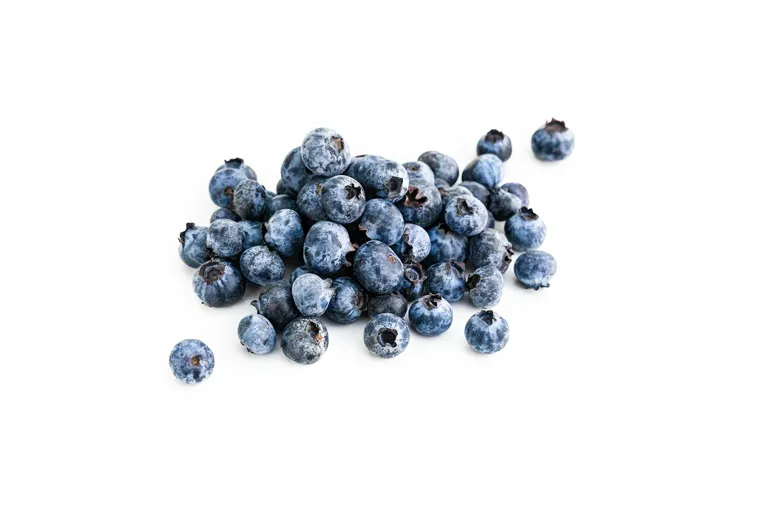
How do blueberries influence emotional well-being?
Daily consumption of blueberries is associated with more stable improvements in mood among certain populations, according to a small-scale study conducted by the Hinda and Arthur Marcus Aging Research Institute. The findings, which were published in the Journal of Nutrition, Health and Aging, suggest that the fruit's impact on the gut may play a role in psychological states.
The research focused on participants who integrated blueberries into their daily diets. While the researchers noted that the difference in mood improvement compared to the control group was not statistically significant, the study provides early evidence of a potential link between dietary habits, intestinal health, and mental well-being. This suggests that even small dietary shifts might influence the complex feedback loops between the digestive system and the brain.
What were the specific parameters of the blueberry study?
The study targeted a specific demographic to observe the effects of blueberries on sedentary individuals experiencing mild symptoms of melancholy. Researchers utilized a controlled experimental design to isolate the effects of the fruit from other variables.
Study methodology and participant profile
The participants in the trial were individuals aged 65 and older who led sedentary lifestyles and reported mild symptoms of melancholy. To ensure a controlled environment, the subjects were randomly divided into two distinct groups: one receiving a daily blueberry intervention and the other receiving a placebo. The study lasted for a duration of three months, and a total of 18 individuals completed the full course, with ten participants in the blueberry group and eight in the placebo group. Researchers utilized specialized questionnaires to assess psychological symptoms both before and after the intervention period, while simultaneously monitoring the participants' gut microbiomes.
The results showed that the group consuming blueberries experienced a larger and more consistent reduction in melancholy symptoms than those in the placebo group. This distinction is crucial for understanding how specific food groups might serve as nutritional tools for managing mood fluctuations in older populations.
Why did researchers focus on blueberries specifically?
Blueberries were selected for this research due to their high concentration of specific bioactive compounds, namely dietary fiber and anthocyanins. These components are believed to interact directly with the intestinal microbiome, which is the community of microorganisms residing in the human gut.
Anthocyanins are the natural pigments responsible for the characteristic blue-purple hue of the fruit. These compounds, along with fiber, are of significant interest to scientists because they can influence the metabolic activity and the products generated by the gut microbiota. By studying these interactions, researchers aim to understand how the chemical makeup of common foods can alter the internal biological environment of the digestive tract.
What specific changes occurred in the gut microbiome?
The most striking finding of the study was not a change in the composition of the microbiome, but rather a shift in its functional activity. While the overall types and quantities of microbes did not undergo a radical transformation, the researchers identified subtle but significant changes in how certain enzymes functioned within the gut.
Specifically, the study observed an increase in genes associated with the production of GABA (gamma-aminobutyric acid). GABA is a primary neurotransmitter in the brain, known for its role in reducing neuronal excitability and promoting a sense of calm. This suggests that the benefits of blueberries might stem from their ability to influence the gut's capacity to produce precursors or signals that affect brain chemistry.
The distinction between structure and function
It is important to distinguish between the structure of the microbiome and its functional output. In this study, the "structure"—the actual list of bacteria present—remained largely stable. However, the "function"—the chemical work those bacteria perform—changed. This distinction is vital because it demonstrates that nutritional interventions can modulate the body's internal processes through biochemical signaling without necessarily needing to overhaul the entire microbial ecosystem.
What are the implications for future dietary research?
These findings indicate that the body responds to dietary antioxidants and fibers in a much more complex manner than previously understood. The ability of food to influence gut enzyme activity and neurotransmitter-related genes suggests that nutrition can be a targeted component of mental health management.
However, the researchers emphasized that larger, more robust studies are required to confirm whether these subtle internal changes translate into measurable, long-term improvements in daily mood for the general population. Until such large-scale clinical trials are conducted, adding blueberries to a daily diet remains a healthy habit that may offer potential cognitive and emotional benefits, though it should not be viewed as a standalone medical treatment for mental health conditions.
Frequently asked questions
Does eating blueberries immediately improve mood?
The study suggests that improvements in mood are observed through consistent, daily consumption over time, rather than immediate effects. The research tracked changes over a three-month period, indicating that the relationship between diet and mood is likely a cumulative process involving gradual changes in gut enzyme activity.
Can blueberries replace mental health medication?
No, blueberries should not be considered a replacement for medical treatments or prescribed medications. The study provided preliminary evidence of mood stabilization in individuals with mild melancholy, but it was a small-scale study and did not suggest that dietary changes can substitute for professional clinical interventions.
What exactly is GABA and why does it matter?
GABA, or gamma-aminobutyric acid, is a neurotransmitter that plays a key role in the central nervous system. It acts as an inhibitory messenger, helping to regulate nerve impulses and reduce anxiety. The study found that blueberry consumption may influence genes related to GABA production via the gut.
What makes blueberries different from other fruits?
Blueberries are particularly notable for their high concentration of anthocyanins and dietary fiber. These specific bioactive compounds are believed to be the drivers behind the changes observed in the gut microbiome's enzymatic activity, distinguishing them from many other common fruits in nutritional studies.
Who benefited most from the blueberry intervention?
The study specifically observed participants aged 65 and older who were sedentary and experiencing mild symptoms of melancholy. While the results are promising, they specifically highlight how this demographic responded to the consistent intake of the fruit during the three-month trial period.
Key takeaways
- Blueberries may help stabilize mood by influencing the gut microbiome's enzymatic activity.
- The research identified an increase in genes related to GABA, a key calming neurotransmitter.
- The study focused on adults aged 65 and older with mild melancholy symptoms.
- Anthocyanins and fiber are the primary compounds driving these potential gut-brain benefits.
- Larger clinical trials are needed to confirm these preliminary findings for the general public.
Conclusion
The connection between blueberries and mood highlights the growing field of nutritional psychiatry, where the gut-brain axis serves as a primary focus. While the Hinda and Arthur Marcus Aging Research Institute's study is limited by its small sample size, the identification of increased GABA-related gene activity provides a compelling biological mechanism for how fruit consumption might support mental health. As science continues to uncover how dietary antioxidants influence the functional activity of the microbiome, the role of specific foods in maintaining emotional stability will likely become a cornerstone of preventative health and nutritional guidance.