How does the Mediterranean diet influence cellular health?
The Mediterranean diet influences cellular health by modulating the production of specific microproteins within the mitochondria. Mitochondria are the organelles responsible for generating the majority of a cell's energy, and their efficiency is a critical determinant of biological aging. According to a recent American study, older adults who closely followed a Mediterranean dietary pattern exhibited significantly higher levels of two specific mitochondrial microproteins: humanin and SHMOOSE.
These proteins act as internal signals that can influence various physiological processes. While the Mediterranean diet has long been celebrated for its general health benefits, this research provides a potential molecular explanation for why it is so effective. By targeting the very structures that power our cells, the diet may offer a layer of protection that goes beyond simple nutrient intake.
The role of mitochondria in longevity
Mitochondrial health is often considered a cornerstone of healthy aging. As organisms age, mitochondrial function typically declines, leading to reduced energy production and increased cellular damage. The presence of higher levels of humanin and SHMOOSE in individuals following the Mediterranean diet suggests that certain dietary components may help maintain mitochondrial integrity or stimulate the production of these protective microproteins.
What are humanin and SHMOOSE proteins?
Humanin and SHMOOSE are mitochondrial microproteins that have been linked to the prevention of chronic age-related conditions. Humanin, in particular, has gained attention in scientific literature for its potential role in protecting the heart and brain. Previous research has connected these proteins to a decreased risk of cardiovascular diseases and neurodegenerative disorders, such as Alzheimer's disease.
The study also observed that participants with higher adherence to the Mediterranean diet showed lower markers of oxidative stress. Oxidative stress occurs when harmful molecules accumulate in the body at a rate that exceeds its natural antioxidant defenses, leading to damage in DNA, proteins, and cellular structures. By maintaining higher levels of these microproteins, the body may be better equipped to mitigate this damage.
Connecting proteins to disease prevention
The relationship between these proteins and disease is profound. For instance, neurodegenerative diseases are often characterized by high levels of oxidative damage and mitochondrial dysfunction. If the Mediterranean diet can naturally boost proteins like humanin, it may provide a systemic defense mechanism that protects neurons from the degradation typically seen in Alzheimer's and other forms of dementia.
Which specific foods drive these protein increases?
The study identified clear correlations between specific food groups and the levels of the two microproteins. Researchers found that the consumption of certain staples within the Mediterranean pattern directly relates to the presence of humanin and SHMOOSE in the blood.
- Humanin elevation: Higher levels of humanin were most strongly associated with the frequent consumption of olive oil, fish, and legumes.
- SHMOOSE elevation: Higher levels of SHMOOSE were linked to the consumption of olive oil and a significantly lower intake of processed carbohydrates.
This distinction is important because it highlights that different components of the diet may serve different biological functions. While olive oil appears to be a universal driver for both proteins, the inclusion of plant-based proteins like legumes and the avoidance of refined sugars are necessary to optimize the full spectrum of mitochondrial support.
How does humanin affect oxidative stress and vascular health?
Humanin appears to play a direct role in regulating the body's oxidative environment through its interaction with specific enzymes. Researchers investigated the relationship between humanin levels and the enzyme Nox2, which is responsible for producing reactive oxygen species—highly reactive forms of oxygen that can cause cellular damage.
The findings indicated that individuals with higher humanin levels exhibited lower Nox2 activity. This suggests that humanin may act as a regulator that limits the production of harmful oxygen molecules, thereby protecting the vascular system. Reduced oxidative stress in the blood vessels is a key factor in preventing hypertension and atherosclerosis, further explaining the diet's cardiovascular benefits.
The mechanism of vascular protection
Vascular health is heavily dependent on the ability of the endothelium (the lining of the blood vessels) to resist oxidative damage. When Nox2 activity is high, the resulting oxidative stress can lead to inflammation and vessel stiffness. By suppressing this enzymatic activity, humanin helps maintain flexible, healthy arteries, which is essential for long-term cardiovascular stability.
What are the limitations and future implications of this research?
While these findings are promising, scientists emphasize that the study was observational and relatively small in scale. This means the research identifies correlations rather than proving direct causation. It does not yet definitively prove that the Mediterranean diet causes an increase in these proteins, nor does it prove that these proteins alone are sufficient to prevent disease.
However, the discovery opens new avenues for medical science. Researchers are now looking at whether humanin and SHMOOSE can be used as biological markers (biomarkers) to measure the effectiveness of dietary interventions and to assess an individual's biological age. In the future, understanding these pathways could lead to more targeted nutritional therapies designed to combat the specific cellular drivers of aging.
Moving from observation to clinical application
The next step for science involves large-scale clinical trials. These studies will aim to determine if dietary changes can directly manipulate protein levels in a controlled manner and if these changes translate into measurable improvements in heart and brain health. Until then, the Mediterranean diet remains a gold standard for health due to its proven, albeit complex, nutritional profile.
Frequently asked questions
What are the core components of the Mediterranean diet?
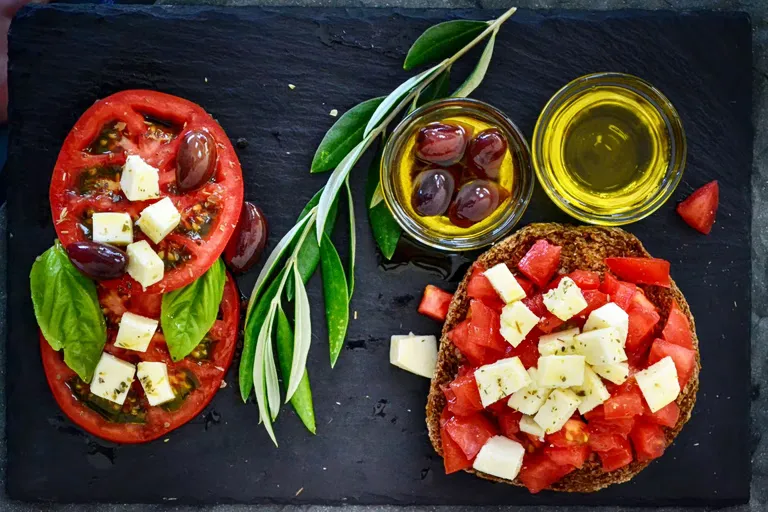
The Mediterranean diet is a diverse eating pattern that emphasizes whole, plant-based foods. Key components include fruits, vegetables, whole grains, legumes, nuts, and healthy fats like olive oil. It also includes moderate amounts of fish and poultry, while limiting processed carbohydrates and red meats.
Can the Mediterranean diet prevent Alzheimer's disease?
While the study suggests a link between the diet and proteins that protect against neurodegeneration, it does not claim the diet is a cure. Rather, it suggests that the diet's impact on mitochondrial proteins may reduce the risk factors associated with diseases like Alzheimer's.
Why is olive oil so important in this dietary pattern?
Olive oil is a primary driver for both humanin and SHMOOSE protein levels. Its high content of healthy monounsaturated fats makes it a central pillar of the diet, contributing to both antioxidant support and the regulation of mitochondrial microproteins.
What is the difference between humanin and SHMOOSE?
Both are mitochondrial microproteins, but they respond to different dietary triggers. Humanin levels are boosted by olive oil, fish, and legumes, whereas SHMOOSE levels are primarily associated with olive oil consumption and the reduction of processed carbohydrates.
Is oxidative stress dangerous for the body?
Yes, oxidative stress occurs when there is an imbalance between harmful reactive molecules and the body's antioxidant defenses. This imbalance can cause significant damage to DNA, cellular proteins, and cell membranes, contributing to aging and various chronic diseases.
Key takeaways
- Mediterranean diet adherence is linked to higher levels of humanin and SHMOOSE microproteins.
- Humanin and SHMOOSE are produced in the mitochondria to support cellular energy and health.
- Higher humanin levels are associated with lower Nox2 enzyme activity and reduced oxidative stress.
- Consuming olive oil, fish, and legumes is specifically linked to increased humanin levels.
- Avoiding processed carbohydrates is a key factor in maintaining higher SHMOOSE protein levels.
Conclusion
The emerging link between the Mediterranean diet and mitochondrial microproteins like humanin and SHMOOSE provides a compelling biological rationale for its health benefits. By potentially reducing oxidative stress and supporting cellular energy production, this dietary pattern offers a multifaceted defense against cardiovascular and neurodegenerative diseases. While further large-scale research is required to establish direct causation and explore these proteins as clinical biomarkers, the current findings reinforce the importance of nutrient-dense, whole-food eating patterns. Embracing these dietary habits remains one of the most effective ways to support long-term cellular integrity and healthy aging.