How did the first round of the Brazil elections 2026 unfold?
Senator Flavio Bolsonaro emerged as the frontrunner in the first round of the presidential elections, securing 47% of the total vote. This performance surprised many analysts, as previous polling had favored the incumbent, Luiz Inácio Lula da Silva, who was seeking a fourth term in office. Lula finished the round with 45% of the vote, leaving a narrow margin between the two primary candidates heading into the second round scheduled for October 25.
The 45-year-old Senator's performance is being viewed as a significant political comeback for the Bolsonaro family. By securing 56 million votes, Flavio Bolsonaro has actually outperformed the electoral benchmarks set by his father, former President Jair Bolsonaro. According to election data, Jair Bolsonaro received 49 million votes in 2018 and 51 million votes during his 2022 defeat. This indicates a growing momentum for the right-wing movement in Brazil despite the legal challenges facing the family patriarch.
Comparing the Bolsonaro electoral performance
The shift in voter numbers suggests a consolidation of the right-wing base. While Jair Bolsonaro's absolute vote count was higher in 2022, Flavio's ability to capture a larger percentage of the active electorate in a highly polarized environment marks a strategic evolution for the Liberal Party (PL).
What was the reaction from the financial markets?
The São Paulo stock exchange responded with immediate enthusiasm to the first-round results, seeing a significant surge in trading activity. The Ibovespa index broke the 200,000-point threshold, reaching a historic high, while the market saw an increase of up to 9% by midday following the announcement. Investors appear to be pricing in a shift toward more market-friendly policies.
Financial experts suggest that the market views Flavio Bolsonaro as a candidate more aligned with the country's current economic and fiscal requirements. According to Jerson Zanlorenci, an executive at the investment bank BTG Pactual, the markets see the candidate as being in better alignment with the necessary economic direction for Brazil. The conservative platform, which emphasizes austerity, tax reductions, and a smaller state role, is seen as a catalyst for growth.
Economic promises of the Bolsonaro campaign
The conservative platform focuses on several key pillars intended to stabilize the economy and address social concerns:
- Fiscal Austerity: A commitment to reducing government spending and curbing the national deficit.
- Tax Reform: Promises to lower the tax burden on businesses and individuals to stimulate investment.
- Public Safety: A "iron fist" approach to combat rising crime rates across the country.
- Deregulation: Efforts to reduce the size of the state and minimize bureaucratic interference in the private sector.
How is Donald Trump influencing the political landscape?
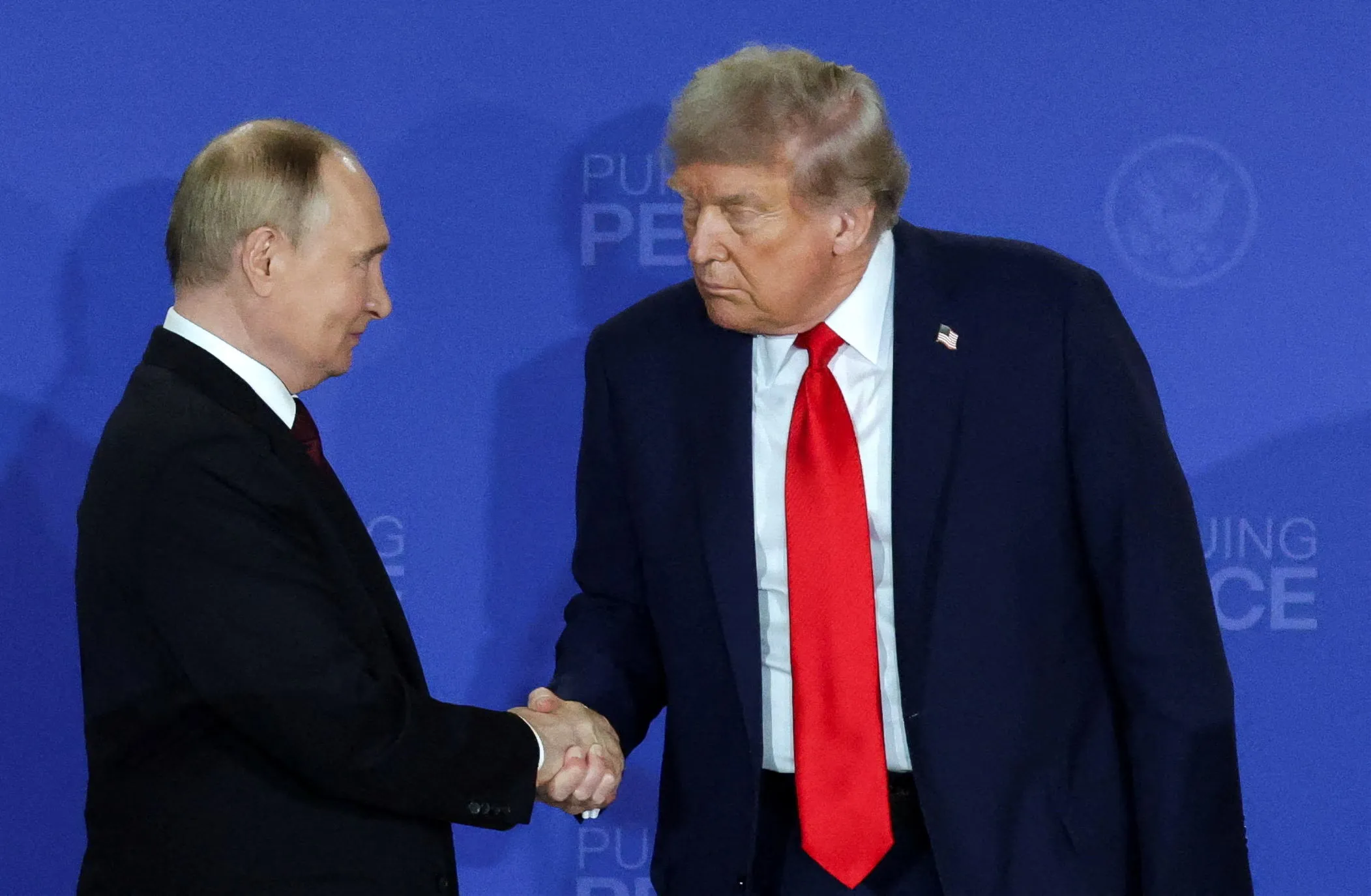
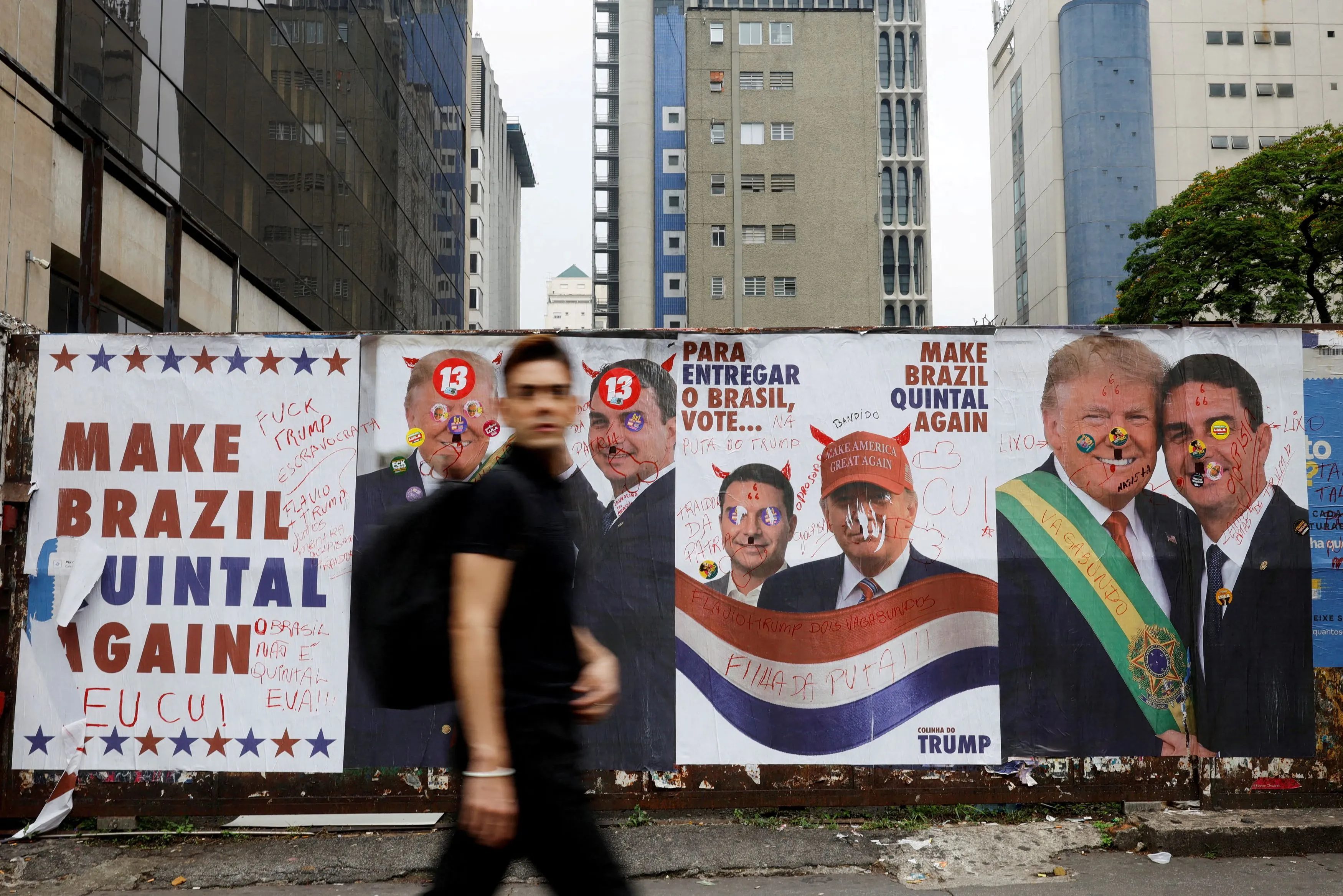
U.S. President Donald Trump has expressed strong support for Flavio Bolsonaro, describing the first-round results as an "unambiguous and very, very large victory." Trump's endorsement highlights the growing ideological alignment between the leadership of the United States and the rising right-wing factions in Latin America. This support is seen as a validation of the conservative movement's expansion in the region.
The geopolitical implications of this support are substantial. As the leader of the White House, Trump's backing provides Flavio Bolsonaro with international legitimacy. This alignment is part of a broader trend where right-wing movements in Latin America are finding common ground with the current U.S. administration. However, this shift also introduces new tensions, particularly regarding trade and sovereignty.
What is the impact of the 'Right-Wing Tsunami' on the Brazilian legislature?
The electoral surge has extended beyond the presidency, significantly altering the composition of the Brazilian Congress. The Liberal Party (PL) has nearly doubled its presence in the Senate, growing from 15 seats to 28. This shift suggests that if Flavio Bolsonaro wins the second round, he will govern with a much stronger legislative mandate than his father possessed.
The movement has also impacted the Chamber of Deputies. Notably, 30-year-old Nicolas Feixeira, a prominent figure for the new generation of conservatives, was re-elected with three million votes, setting a record for a deputy in Brazil. Analysts, including Thomas Trauman, have characterized these results as a "tsunami" against the Workers' Party (PT), which has held significant power in Brazil for much of the last two decades.
The changing face of the Liberal Party
The Liberal Party is not just growing in numbers but also in its demographic and social reach. The inclusion of former First Lady Michelle Bolsonaro among the new members of the party signifies a strategic attempt to broaden the appeal of the conservative movement, combining traditional values with a more modern political presence.
How is Lula da Silva responding to the election results?
President Luiz Inácio Lula da Silva has acknowledged the first-round results as "unexpected," but he remains defiant. He has stated that his campaign is still in the race and intends to convince the Brazilian people during the final stretch before the runoff. Lula is pivoting his strategy to focus on national sovereignty and the protection of social programs.
A central theme of Lula's defense is the protection of the millions of Brazilians who were lifted out of poverty through his administration's social initiatives. Furthermore, he has framed the election as a struggle for national independence against external pressures, specifically citing the impact of U.S. tariffs imposed under the Trump administration on Brazilian exports. Political scientist Carolina Botelho notes that Lula's path to victory depends on convincing the 21% of voters who abstained or cast blank and null votes.
Frequently asked questions
When is the second round of the Brazil elections?
The second round of the presidential elections in Brazil is scheduled to take place on October 25, 2026. This runoff will determine whether Flavio Bolsonaro or Luiz Inácio Lula da Silva will serve as the next president of the country.
Who is the leading candidate in the 2026 Brazil elections?
Senator Flavio Bolsonaro is the current leader following the first round of voting. He secured 47% of the vote, placing him ahead of the incumbent, Luiz Inácio Lula da Silva, who received 45%.
How did the Brazilian stock market react to the results?
The São Paulo stock market reacted very positively, with the Ibovespa index breaking the 200,000-point mark. The index saw an increase of up to 9% during midday trading as investors anticipated more market-friendly conservative policies.
What are the main policy differences between the candidates?
Flavio Bolsonaro advocates for fiscal austerity, tax cuts, a smaller state, and stricter crime control. In contrast, Lula da Silva emphasizes the protection of social welfare programs and the defense of national sovereignty against international trade pressures.
Does Flavio Bolsonaro have a legislative advantage?
Yes, the Liberal Party (PL) has seen significant gains, nearly doubling its Senate seats from 15 to 28. This suggests that a Bolsonaro victory would likely be supported by a more conservative-leaning Congress.
Key takeaways
- Flavio Bolsonaro leads the first round with 47% of the vote, ahead of Lula's 45%.
- The second round of the Brazilian presidential election is set for October 25, 2026.
- The Ibovespa index hit a historic high, surpassing 200,000 points following the results.
- The Liberal Party nearly doubled its Senate seats, rising from 15 to 28 members.
- Donald Trump has officially endorsed Flavio Bolsonaro, calling the result a "great victory."
Conclusion
The first round of the 2026 Brazil elections has fundamentally shifted the nation's political trajectory, positioning Flavio Bolsonaro as the primary contender for the presidency. The significant lead held by the conservative candidate, coupled with a surging stock market and a strengthening legislative presence for the Liberal Party, suggests a potential paradigm shift in Brazilian governance. While Lula da Silva maintains a path to victory through social program advocacy and national sovereignty, the momentum currently favors the right-wing movement. The upcoming runoff on October 25 will ultimately decide if Brazil embraces a new era of austerity and conservative leadership or continues its current path.