What does the end of the Global Coalition mission mean for Iraq?
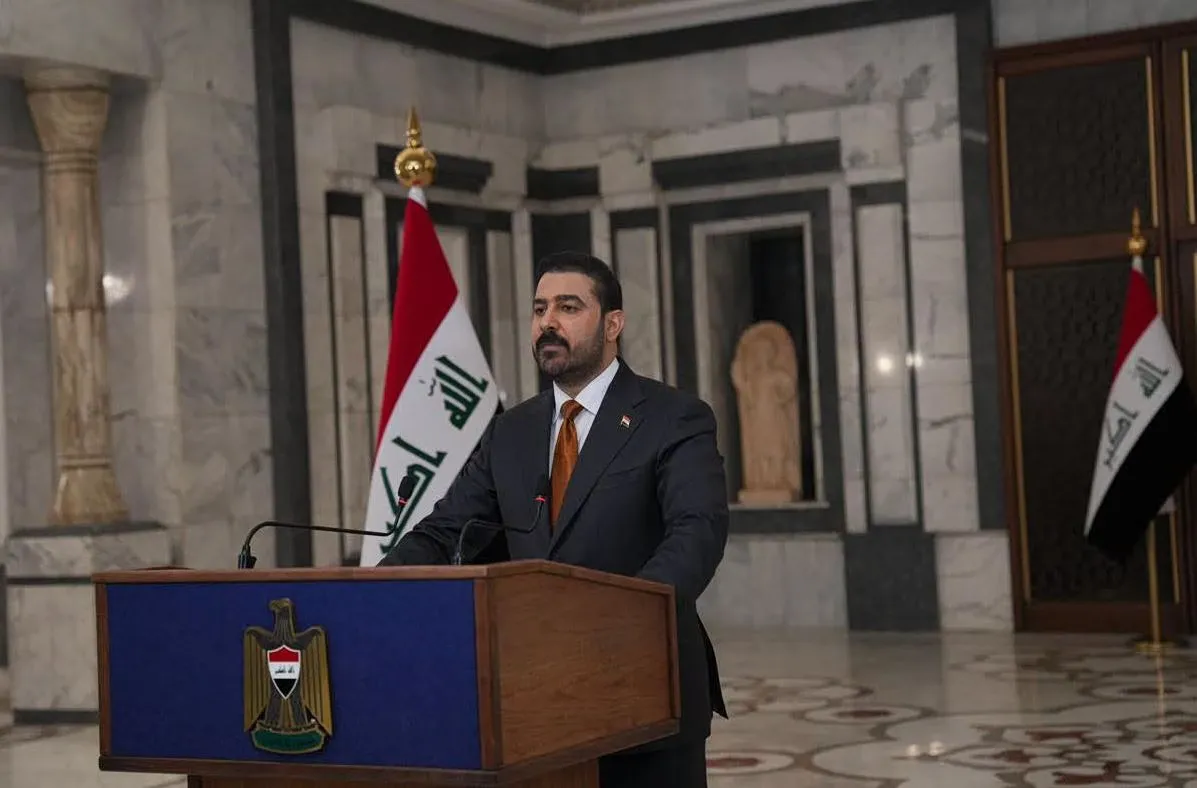
The conclusion of the Global Coalition's military mission on September 30, 2026, marks a definitive shift in the security landscape of the Middle East. According to the Prime Minister's office, this withdrawal allows Iraq to assert complete authority over its sovereign domains. Prime Minister Ali al-Zaidy emphasized during his address on Iraq's National Day that the state now maintains absolute control over its land and airspace.
This transition is not merely a change in military presence but a reclamation of institutional authority. Al-Zaidy noted that all weaponry within the country is now under the direct command of the Commander-in-Chief of the Armed Forces. This centralization of military power is intended to consolidate the state's ability to defend its borders without reliance on external coalition structures.
The shift in military command structures
The transition from a coalition-led security framework to a purely national one represents a significant milestone in Iraq's post-2003 political evolution. By bringing all arms under the authority of the Commander-in-Chief, the Iraqi government aims to eliminate the dual-authority dilemmas that have occasionally complicated domestic security operations. This move is designed to streamline the response to internal and external threats while ensuring that military decisions align strictly with Iraqi national interests.
How is Iraq asserting its political independence?
Iraq is positioning itself as an independent actor that prioritizes balanced foreign policy and national interest above all else. In his speech commemorating the National Day of the Republic, Al-Zaidy highlighted the historical context of Iraq as an independent state, referencing its long-standing involvement in the League of Nations and its foundational role in the United Nations. He used this historical legacy to frame the current moment as a return to a state of full autonomy.
Despite the complexities of the regional political landscape, the Prime Minister has committed to a foreign policy based on mutual respect and international cooperation. The government's objective is to navigate regional tensions by maintaining a neutral and balanced stance, ensuring that Iraq's decisions are driven by domestic needs rather than external pressures. This approach is intended to safeguard the democratic governance and the constitutional order established in the wake of previous political upheavals.
Navigating regional and international challenges
The Prime Minister acknowledged that Iraq faces significant challenges from both regional dynamics and international geopolitical shifts. To mitigate these risks, the administration is focusing on the stability of its political system, which has undergone massive transformations since 2003. By emphasizing the importance of the permanent Constitution and the peaceful transfer of power, the government seeks to build a resilient domestic framework that can withstand external shocks and maintain sovereignty during times of regional conflict.
What are the primary goals for Iraq's economic diversification?
The Iraqi government is actively pursuing a strategy to reduce its economic dependence on single-source revenues through aggressive diversification. Prime Minister Al-Zaidy outlined several key initiatives designed to stimulate the private sector and create sustainable employment opportunities. A central component of this plan involves moving toward a performance-based budget, where public spending is strictly tied to measurable outcomes and specific developmental goals.
To achieve this, the administration is focusing on several large-scale development projects intended to integrate Iraq more deeply into the global economy. These projects are designed to transform the nation into a regional hub for trade, energy, and investment. By expanding international partnerships and fostering a more robust private sector, the government aims to build an economic foundation that is less vulnerable to fluctuations in global energy markets.
Key economic initiatives and infrastructure projects
The Prime Minister detailed several flagship programs that are expected to drive long-term growth and social stability. These include:
- The Million Plots Initiative: A program aimed at land development and housing stability.
- The Future Generations Fund: A sovereign wealth mechanism intended to secure long-term prosperity for the nation's youth.
- Economic Cities: The development of specialized urban zones designed to attract industrial and commercial activity.
- The Development Roads Project: A strategic infrastructure endeavor to enhance Iraq's role in regional trade corridors and energy transit.
How will the government address corruption and public resources?
A major pillar of the current administration's mandate is the continuous fight against corruption and the protection of public assets. Al-Zaidy has committed to strengthening preventive oversight mechanisms to ensure that state resources are used efficiently and transparently. This focus on accountability is viewed as essential for maintaining public trust and ensuring that the benefits of economic growth are distributed across the population.
The Prime Minister reflected on the challenges faced during his tenure, noting that his government has had to navigate a period of intense regional instability. Protecting the sovereignty and the independent decision-making of the state has been a constant priority. By linking economic development with strict anti-corruption measures, the administration seeks to create a stable environment conducive to both domestic growth and foreign direct investment.
FAQ: Iraq's Sovereignty and Economic Outlook
When did the Global Coalition military mission end in Iraq?
The Global Coalition's military mission officially concluded on September 30, 2026. This date marked the end of the coalition's presence and the beginning of a new era where Iraq assumes full control over its security and territorial decisions.
What does Iraq's new military command structure entail?
Under the new structure, all weapons and military assets are under the sole authority of the Commander-in-Chief of the Armed Forces. This ensures that the Iraqi state has total control over its land, airspace, and all national defense decisions.
What are the main goals of Iraq's economic diversification plan?
The primary goals include reducing dependence on single revenue streams, expanding the private sector, and creating jobs. The government is implementing a performance-based budget to ensure that public spending leads to measurable developmental results.
What is the "Development Roads Project"?
The Development Roads Project is a strategic initiative aimed at enhancing Iraq's position in regional trade, energy, and investment. It focuses on building infrastructure that connects Iraq to international trade routes and strengthens its role in the global economy.
How is Iraq planning to protect its future generations economically?
The government is establishing a "Future Generations Fund" specifically designed to manage and invest resources for the long-term prosperity of the nation's youth, ensuring economic stability for years to come.
Key takeaways
- Iraq regained full sovereignty over its territory and airspace following the Coalition's departure on September 30, 2026.
- All national weaponry is now under the direct authority of the Commander-in-Chief of the Armed Forces.
- The government is transitioning to a performance-based budget to link public spending with measurable outcomes.
- Economic diversification strategies include the "Development Roads Project" and the creation of "Economic Cities."
- A new "Future Generations Fund" is being established to ensure long-term economic security for the country.
The path toward a stabilized and independent Iraq
The recent transition marks a pivotal moment in Iraq's modern history, shifting the nation from a period of international military oversight toward a phase of self-determined governance. By reclaiming control over its security apparatus and launching ambitious economic diversification programs, the Iraqi administration is attempting to build a resilient state capable of navigating a volatile regional landscape. The success of this new era will depend on the effective implementation of infrastructure projects, the ability to curb corruption, and the maintenance of a balanced foreign policy that protects national interests while fostering international cooperation.