Why is the European inflation crisis resurfacing in late 2026?
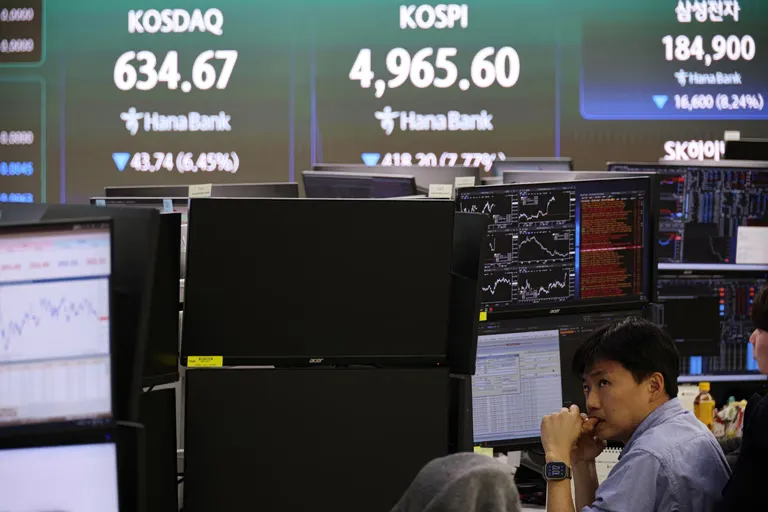
The Eurozone is experiencing a renewed wave of price instability, with general inflation reaching a three-year high of 4% in October 2026. According to Eurostat, this spike is largely attributed to a massive surge in energy-related expenses. While the broader economy faces these pressures, the impact is felt most acutely at the household level, where basic necessities are increasingly becoming luxury items.
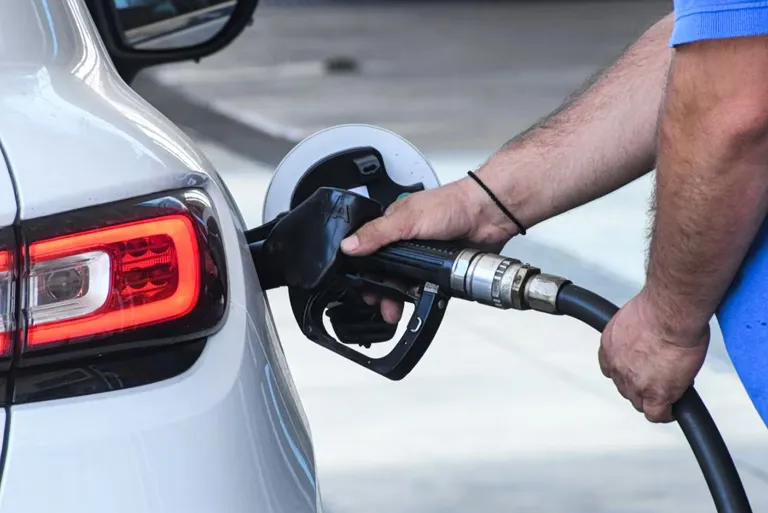
The primary driver behind this resurgence is the volatility in energy markets. Fuel, electricity, and heating costs have surged by 20.8% year-on-year, creating a ripple effect throughout the entire supply chain. This energy shock does not just affect utility bills; it fundamentally alters the cost of producing and transporting almost every consumer good.
The energy-food connection
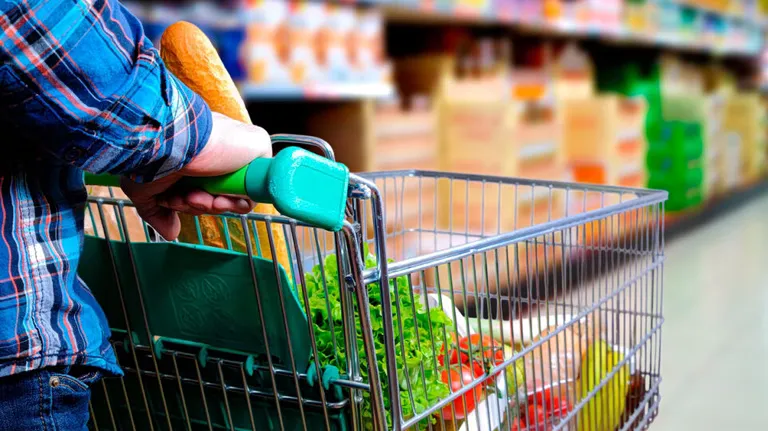
There is a direct link between rising energy prices and the cost of the weekly grocery shop. Agricultural production is energy-intensive, requiring diesel for tractors, electricity for greenhouse heating, and fuel for the logistics networks that deliver produce to supermarket shelves. When these input costs rise, fresh and unprocessed goods are often the first to reflect the increase, as they lack the long shelf life of processed alternatives.
How is inflation impacting different regions in Europe?
Inflationary pressures are not uniform across the continent, revealing deep economic disparities between member states. While some nations struggle with rapid price climbs, others have seen prices stabilize or even fall due to aggressive government interventions. This creates a fragmented economic landscape where the 'cost of living crisis' takes different forms depending on local policy and energy dependency.
In Southern Europe, the crisis has manifested not only as high prices but also as supply chain disruptions. In parts of Italy, such as Campania, Puglia, and Calabria, logistics strikes fueled by high diesel costs led to significant shortages. According to euronews, these disruptions left supermarket shelves for meat, milk, fruit, and bottled water nearly empty in some areas during late October.
| Country/Region | Key Inflation/Price Trend (Oct 2026) |
|---|---|
| Eurozone (General) | 4.0% (Highest in 3 years) |
| Greece (General) | 5.6% (Up from 5.1% in Sept) |
| Italy (Unprocessed Foods) | +7.5% year-on-year |
| Cyprus (Food & Beverages) | +4.0% year-on-year |
| Sweden (Food) | -6.3% (Due to VAT reduction) |
What is the specific situation in Greece and Italy?
Greece and Italy represent two of the most pressured economies regarding the current cost-of-living crisis. In Greece, general inflation accelerated to 5.6% in October 2026, up from 5.1% in September. Although food inflation in Greece sat at 1.4%—slightly below the Eurozone average of 1.6%—the underlying pressure on essential items remains intense.
Specific categories in the Greek market have seen sharp increases. Eurostat data indicates that beef prices rose by 12.3% and potato prices increased by 9.2%. To combat this, the Greek government has extended the 'National Price Reduction Initiative,' which includes 994 essential products with reduced prices, a measure set to continue through the end of 2026.
Italy presents a different but equally challenging scenario. According to Istat, preliminary data shows that unprocessed food prices in Italy rose by 7.5% compared to the previous year, an acceleration from the 5.5% recorded in September. This spike in fresh goods is compounded by the aforementioned logistics issues, where high diesel costs have caused friction between transport workers and retailers, further destabilizing the availability of staples.
How are energy and food prices behaving differently?
A critical distinction exists between the inflation of energy and the inflation of food. While energy has seen a massive 20.8% jump, food inflation has been more gradual but remains highly volatile in specific sectors. This distinction is vital for understanding why some consumers feel the squeeze more than others.
In the Eurozone, the price of food, alcohol, and tobacco rose by 1.6% in October. However, a closer look reveals a significant gap between processed and unprocessed goods. Processed foods only saw a 0.5% increase, whereas unprocessed foods—such as meat, fish, fruits, and vegetables—surged by 4.6%, up from 2.7% in August. This suggests that the 'fresh food' sector is much more sensitive to the energy-driven supply chain costs.
The role of structural inflation
Nicola Nobile, Chief Economist for Italy at Oxford Economics, noted that while energy and food are driving the current price spikes, structural inflation remains relatively stable despite the ongoing energy shock. This implies that the current crisis is heavily tied to external shocks rather than a fundamental, permanent shift in the underlying economic structure, though the social consequences remain severe.
Which countries are seeing the highest and lowest food inflation?
The data from September and October 2026 highlights a wide spectrum of food price movements across the EU. Cyprus has emerged as one of the most affected, with food and beverage prices rising by 4.0% compared to the previous year. Other high-pressure zones include Spain (2.7%), Romania (2.6%), Malta (2.5%), and Portugal (2.4%).
Conversely, several countries have managed to achieve deflation in food prices through targeted fiscal policies. Sweden saw the most significant drop, with food prices falling by 6.3% following a government decision to halve the VAT on food from 12% to 6% in April. Similarly, Latvia, Hungary, and the Czech Republic reported food price decreases ranging from 3.8% to 4.8%, demonstrating that state intervention can effectively mitigate the impact of global inflationary trends.
Frequently asked questions
What is driving the current inflation in the Eurozone?
The primary driver is the significant increase in energy costs, including electricity, heating, and fuel, which rose by 20.8% year-on-year. This energy spike creates secondary inflation by increasing the cost of producing and transporting goods, particularly fresh food items.
How does energy inflation affect food prices?
Energy inflation impacts food prices through the entire supply chain. Higher diesel costs increase transport expenses, while electricity and heating costs raise the price of greenhouse farming and food processing, leading to higher retail prices for consumers.
Why are food prices higher in some EU countries than others?
Variations depend on local energy dependency, supply chain stability, and government policy. For example, Cyprus faces higher food inflation, while Sweden has seen prices drop due to a significant reduction in VAT on food products.
What is the difference between processed and unprocessed food inflation?
Unprocessed foods, such as meat and vegetables, are more sensitive to energy and transport costs, seeing higher inflation (4.6% in the Eurozone). Processed foods are more stable, with a much lower inflation rate of approximately 0.5%.
Is there any relief for consumers in Greece?
Yes, Greece has implemented the National Price Reduction Initiative, which provides discounted prices on 994 essential supermarket items. This measure is scheduled to remain in place until the end of 2026 to help ease the burden on households.
Key takeaways
- Eurozone inflation reached 4% in October 2026, the highest in three years.
- Energy costs surged by 20.8% year-on-year, acting as the main inflation driver.
- Unprocessed food prices rose by 4.6%, significantly outpacing processed goods.
- Sweden achieved a 6.3% drop in food prices following a VAT reduction.
- Greece's general inflation hit 5.6% in October 2026.
Conclusion
The 2026 inflation landscape in Europe is characterized by a stark divide between energy-driven price surges and varying regional responses. While the Eurozone grapples with a 4% inflation rate, the specific volatility in unprocessed food and energy costs continues to threaten the financial stability of households. The divergent experiences—ranging from the supply shortages in Italy to the successful VAT-driven deflation in Sweden—highlight that while the energy shock is a common denominator, the impact on the 'family table' is heavily mediated by national economic policies and local logistics. As energy costs remain high, the pressure on essential goods is expected to persist.