Why did Donald Trump blame the Democratic victory for market volatility?
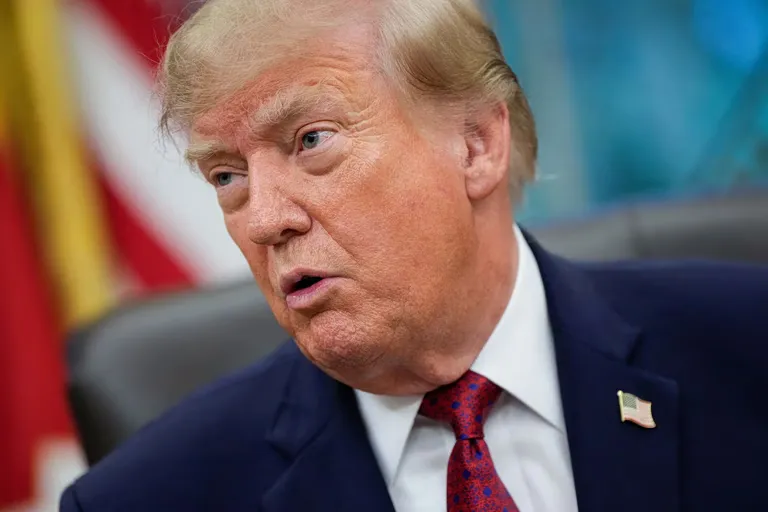
Donald Trump attributed the significant downturn in American stock indices to the recent electoral success of the Democratic Party in the midterm elections. On Thursday, November 6, 2026, the former president used his Truth Social platform to characterize the market's performance as a "sad" spectacle. According to his statements, the stock market suffered one of its worst days in history specifically because of the election results.
While Trump expressed confidence in a future recovery, his rhetoric remained vague regarding the specific mechanisms that would lead to such a turnaround. He told his followers not to fear, asserting that the economy would become "greater and stronger than ever" through unspecified means. This reaction highlights the ongoing tension between political shifts and investor sentiment in the United States.
What caused the sudden collapse on Wall Street?
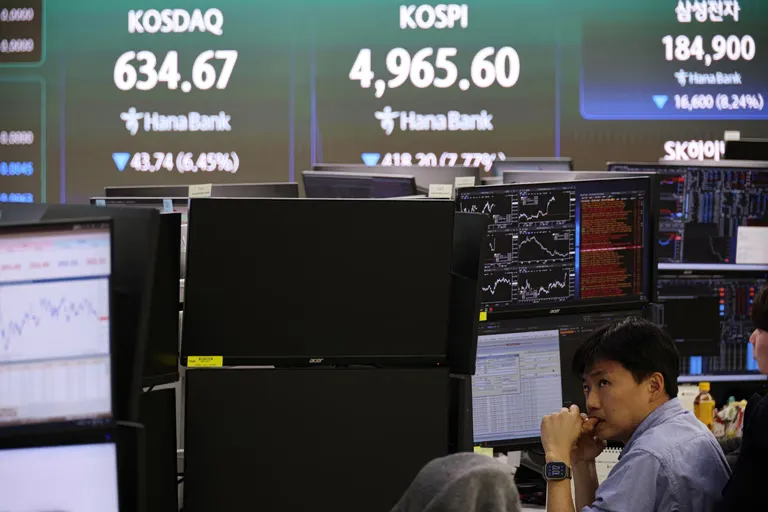
The collapse on Wall Street was driven by a rapid retreat from technology stocks as investors reacted to the shifting political landscape. After a period of growth following the midterm elections, the market experienced a sharp reversal on Thursday. This movement was not merely a reaction to the election results themselves, but rather to the anticipated regulatory environment under a Democratic-controlled Congress.
Investors have accelerated their exit from the tech sector due to growing fears of a slowdown in the expansion of data centers. This sector, which has been a primary driver of recent market highs, now faces scrutiny from lawmakers. The uncertainty regarding how a Democratic majority will handle technological infrastructure and environmental regulations has created a climate of caution among major institutional players.
The erosion of post-election gains
The volatility seen on Thursday effectively wiped out the profit margins that had been accumulated in the immediate aftermath of the US midterm elections. This reversal suggests that the initial market optimism was fragile and highly dependent on the perceived legislative direction of the country. As the Democratic Party secured victories in both houses of Congress and several key gubernatorial races, the market began to price in a more restrictive regulatory framework.
How are data centers being impacted by new political pressures?
The primary driver of the current market anxiety is the potential for a nationwide moratorium on the construction of new data centers. This concern is fueled by the Democratic Party's recent legislative and rhetorical shifts regarding technological infrastructure. Specifically, the prospect of increased oversight and environmental restrictions has made investors wary of the long-term growth projections for the data center industry.
Prominent political figures have become vocal critics of the current trajectory of the tech industry. Senator Bernie Sanders of Vermont, a key figure within the Democratic coalition, has explicitly called for a national halt to data center construction. This move signals a broader political movement aimed at curbing the influence and physical footprint of major technology corporations.
Environmental and labor concerns in tech expansion
The opposition to data center expansion is rooted in both environmental protection and labor concerns. According to a post on X by Senator Bernie Sanders on Wednesday evening, the expansion of these facilities is viewed by some as a threat to the public interest. Sanders argued that the American public does not want large technology oligarchs to destroy the environment, eliminate jobs, or threaten the future of humanity.
This political stance creates a direct conflict with the business models of many large-scale tech firms. If the Democratic-led Congress moves to implement the restrictions suggested by figures like Sanders, the capital expenditure models for the tech sector may require significant revisions. This potential for legislative intervention is what prompted the rapid sell-off observed on Wall Street.
What is the broader political context of the market's reaction?
The market's reaction is inextricably linked to the comprehensive Democratic victories achieved in the midterm elections. Beyond the legislative branches, victories in critical gubernatorial races have further consolidated Democratic influence across various levels of government. This multi-level political shift has contributed to a sense of uncertainty regarding the regulatory stability of the United States.
The divergence between the Republican platform and the Democratic legislative agenda is particularly evident in how each views the role of large corporations in national development. While the Republican approach often emphasizes deregulation and market-driven growth, the current Democratic momentum suggests a pivot toward stricter oversight of the technology and energy sectors. This fundamental disagreement is at the heart of the volatility currently being experienced by investors.
FAQ: Trump stock market reaction
Why does Trump link the stock market to election results?
Donald Trump argues that the Democratic Party's midterm victories have created a regulatory environment that is hostile to market growth. By blaming the election results for the market's decline, he is positioning the political opposition as the primary cause of economic instability and investor fear.
What specific sector is most affected by the market drop?
The technology sector is the most significantly affected, particularly companies involved in the development and operation of data centers. Investors are fleeing these stocks due to fears that Democratic-led legislation will slow down the expansion of digital infrastructure and increase operational costs through regulation.
Who is leading the opposition to data center expansion?
Senator Bernie Sanders of Vermont is a leading voice in the movement to restrict data center construction. He has called for a national moratorium, citing concerns that these facilities threaten the environment, impact job security, and allow technology companies to exert too much influence.
Will the stock market recover according to Trump?
Donald Trump has promised that the market will eventually recover and become stronger than ever. However, he has not provided any specific economic policies or legislative plans to explain how this recovery will be achieved or how it will counteract the current political trends.
What role does the Democratic Congress play in this volatility?
The Democratic Party's control over both houses of Congress is a major source of investor anxiety. This control allows for the potential passage of laws that could increase oversight of the tech sector, implement environmental restrictions, and change the regulatory landscape for large-scale infrastructure projects.
Key takeaways
- Donald Trump attributed the recent Wall Street decline to the Democratic midterm election victories.
- The stock market saw a significant drop on Thursday, erasing gains made after the elections.
- Investors are retreating from technology stocks due to fears of data center expansion limits.
- Senator Bernie Sanders has called for a national moratorium on data center construction.
- Democratic control of Congress and governorships is driving regulatory uncertainty.
Synthesis of market and political shifts
The intersection of the 2026 midterm elections and Wall Street volatility represents a significant moment of political-economic tension in the United States. While Donald Trump frames the market downturn as a direct consequence of Democratic political success, the underlying causes appear to be more structural. The fear among investors is not just about the election results themselves, but about the specific legislative priorities—such as environmental regulation and tech oversight—that a Democratic majority is likely to pursue. As the new Congress begins its term, the tension between technological expansion and regulatory intervention will likely remain a central theme for both policymakers and global markets.