What is driving the widespread Greek public sector strikes 2026?
The primary driver behind the current wave of unrest is a collective sentiment expressed by protesters that the current socio-economic situation "cannot go on any longer." This sentiment is rooted in systemic issues across the education and healthcare sectors, compounded by a rising cost of living that has significantly impacted students and low-income workers.
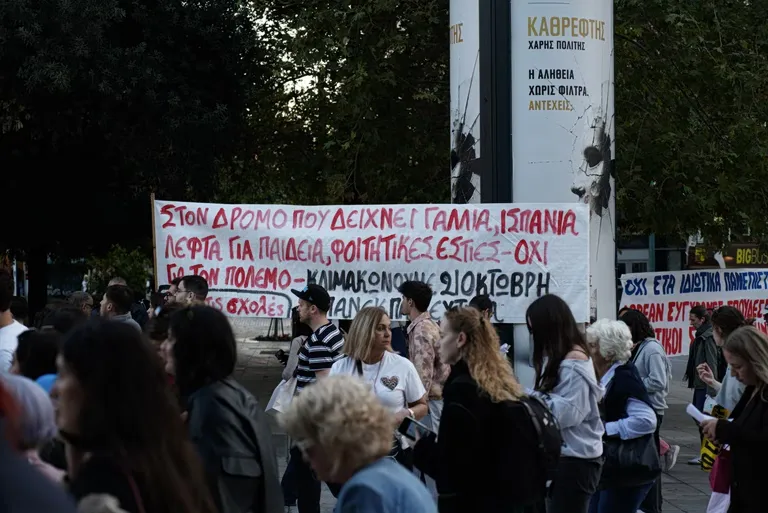
Protesters are linking their local struggles to a broader pan-European movement, drawing parallels with recent demonstrations in France. The central theme uniting these diverse groups is the defense of free and public services, particularly education and healthcare, which they argue are being eroded by insufficient state investment and policies that favor private interests over public welfare.
How are educators and students protesting in the education sector?
The education sector is seeing massive mobilization through a combination of 24-hour strikes and organized demonstrations in major urban centers. The Hellenic Union of Teachers (DOΕ) has declared a 24-hour nationwide strike, while the Panhellenic Federation of Secondary Education Teachers (OLME) has implemented a three-hour work stoppage. Additionally, local branches of the secondary teachers' union (ELME) have also opted for 24-hour strikes in various regions.
Specific demands of students and teachers
The demands from the student body are focused on the immediate impact of inflation on their studies and daily lives. Key requirements include:
- Increased University Budgets: Urgent funding for infrastructure, laboratory equipment, and essential consumables.
- Housing and Nutrition: The construction of new student dormitories, rent subsidies for students studying away from home, and an upgrade to the quality of free meals.
- Staffing: Mass appointments of permanent professors, administrative staff, and technical personnel to fill critical organizational gaps.
Teachers, meanwhile, are emphasizing the need for permanent appointments to fill vacancies and the urgent modernization of school buildings to ensure safe environments for both students and staff. They are also calling for smaller class sizes and measures to mitigate the rising costs associated with school life.
Why are doctors striking against the healthcare system?
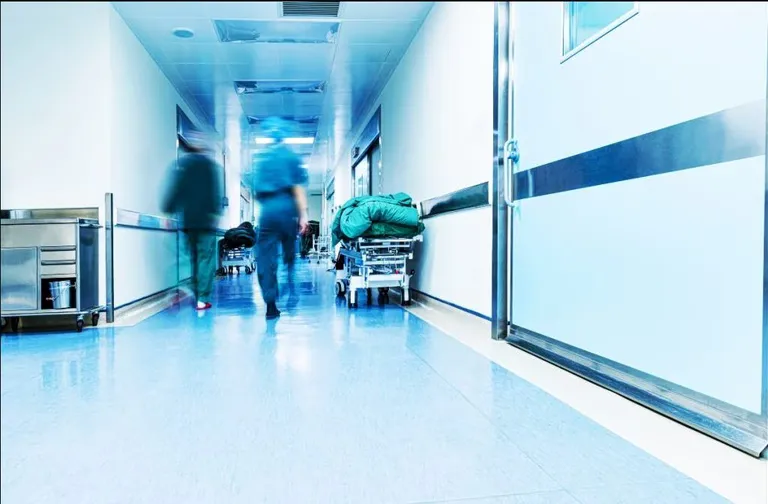
Hospital doctors, represented by the Panhellenic Federation of Doctors (OENGÉ), are conducting a nationwide strike to protest what they describe as a chronically underfunded and understaffed public health system. The union's central slogan, "Give money to the people's health—not for war and their profits," highlights their opposition to perceived government spending priorities.
According to OENGÉ, the healthcare system is suffering from several critical failures that directly impact patient care and professional dignity. These include:
- Staffing shortages: A lack of permanent personnel leading to excessive on-call shifts and an over-reliance on temporary measures.
- Infrastructure issues: Patients being treated in corridors and the closure of surgical theaters due to insufficient staff.
- Professional exhaustion: Doctors being forced into frequent, unplanned transfers to cover gaps in the National Health System (ESY).
- Training deficiencies: Specialized trainees being subjected to excessive on-call duties that compromise their professional education.
The union has criticized the government for what it calls the "provocative subsidization" of private healthcare giants while claiming there are no funds available for medical professionals or public health infrastructure.
Where are the main protest locations and scheduled actions?
The demonstrations are highly coordinated across several Greek cities, with Athens and Thessaloniki serving as the primary hubs. In Athens, major gatherings are scheduled at Syntagma Square and near the Ministry of Finance, with the metro station at Panepistimio facing closures due to police orders to manage the crowds.
The following table outlines the key protest locations and times reported for October 21, 2026:
| City | Group/Organization | Location/Time |
|---|---|---|
| Athens | Students/Teachers | Syntagma Square, 12:00 PM |
| Athens | Doctors (OENGÉ) | Ministry of Finance, 12:00 PM |
| Athens | Pensioners | Platia Ethnikis Antistasis, 10:00 AM |
| Thessaloniki | Students | Venizelos Monument, 11:00 AM |
| Thessaloniki | Teachers | Labor Center, 11:00 AM |
| Patras | Students | Georgiou Square, 10:30 AM |
Beyond the educational and medical sectors, other groups are also participating in the unrest. Pensioners are holding rallies to protest against poverty, and employees of the Ministry of Culture have also joined the wave of industrial actions.
What is the impact of these strikes on public services?
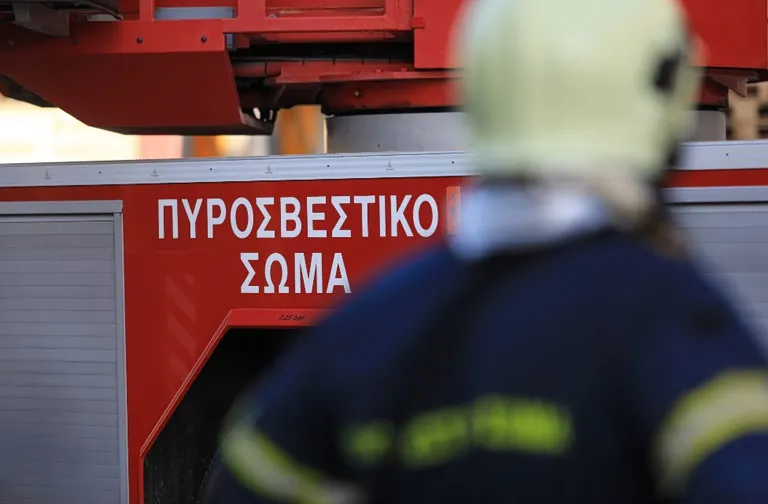
The immediate impact of the strikes is a significant disruption to essential public services, including education, healthcare, and public administration. The coordination of work stoppages by the General Confederation of Greek Workers (ADEDY) means that many government offices and public services will face reduced capacity or total closure during the protest windows.
In the healthcare sector, the strike by hospital doctors poses a direct challenge to the continuity of non-emergency services, potentially leading to delays in elective procedures and increased pressure on remaining staff. In the education sector, the 24-hour strikes and work stoppages mean a complete halt to regular classes for many students, while the police-ordered metro closures in Athens and Thessaloniki add a layer of logistical difficulty for commuters and protesters alike.
Key takeaways
- The 2026 strikes involve doctors, teachers, students, and civil servants across Greece.
- OENGÉ doctors are demanding increased funding for public health and higher wages.
- Students are calling for better housing, food, and university infrastructure funding.
- Teachers are seeking permanent appointments and modernized school facilities.
- Protests are concentrated in Athens, Thessaloniki, and Patras.
FAQ: Greek public sector strikes 2026
Who is participating in the October 2026 protests?
The protests involve a broad coalition of public sector workers. This includes hospital doctors (OENGÉ), teachers (DOΕ and OLME), students, civil servants (ADEDY), pensioners, and employees from the Ministry of Culture. The movement is characterized by its multi-sectoral approach to demanding systemic changes.
What are the main demands of the healthcare workers?
Doctors are demanding increased funding for the National Health System (ESY), higher wages, and mass permanent recruitment. They are also protesting against staff shortages, excessive on-call duties, and the perceived prioritization of private healthcare providers over the public health sector.
How is the education sector affected by the strikes?
The education sector is facing significant disruptions due to 24-hour strikes by teachers and student-led demonstrations. Students are demanding better university funding, improved housing and meal services, and more permanent staff, while teachers are focused on school infrastructure and addressing teacher shortages.
Will public transport be affected?
Yes, public transport is affected by both the strikes and police measures. In Athens, the Panepistimio metro station has been ordered closed by police to manage the protests. Additionally, the general strike actions by various sectors can cause broader disruptions to movement within the cities.
Why are these protests happening now?
The protests are driven by a combination of economic pressure from the cost of living and long-standing grievances regarding the underfunding of public services. Protesters are expressing that the current socio-economic conditions are no longer sustainable, linking their struggle to wider European movements for public services.
Conclusion
The widespread strikes of October 2026 represent a significant moment of social unrest in Greece, reflecting deep-seated frustrations across multiple vital sectors. By uniting under the banner of defending public education and healthcare, doctors, teachers, and students have highlighted the critical need for structural investment and staffing reforms. As these various groups continue to demand better working conditions and more robust public services, the government faces increasing pressure to address the systemic issues of underfunding and the rising cost of living that continue to impact the Greek population.