What is the purpose of the new Italian nuclear energy law?
The newly approved law establishes the fundamental principles for a regulatory framework designed to manage the nuclear energy sector in Italy. By providing a legal basis, the Senate has granted the central government in Rome the authority to issue specific decrees regarding the construction and operational management of various nuclear installations. This includes the development of small modular reactors (SMRs), which represent a significant departure from the massive, traditional plants that characterized the previous era of nuclear power.
Beyond construction, the legislation addresses the entire lifecycle of nuclear operations. It provides the legal mechanisms necessary to define rules for the management of spent nuclear fuel and establishes rigorous safety protocols. These measures are intended to address the historical concerns that led to the phase-out of nuclear power in the country. The law acts as the structural backbone for a sector that has been dormant for decades, moving the country from a position of total reliance on foreign nuclear electricity toward potential domestic production.
Key regulatory components
The framework focuses on three critical pillars of nuclear management: construction oversight, fuel lifecycle, and safety standards. By codifying these areas, the government seeks to create a predictable environment for investors and technology providers. The inclusion of small modular reactors is particularly noteworthy, as these technologies are often viewed as more flexible and easier to integrate into existing grids than traditional large-scale reactors.
Why is the Meloni government pursuing a nuclear comeback?
The push for nuclear energy is driven by a strategic need to enhance Italy's energy security and economic competitiveness. Currently, Italian industries face some of the highest energy prices in Europe, a situation exacerbated by the nation's significant dependence on imported natural gas. Prime Minister Giorgia Meloni's administration views the reactivation of the nuclear sector as a vital tool to mitigate these vulnerabilities and provide a more stable energy foundation for the country's industrial base.
Proponents argue that the previous abandonment of nuclear technology left a gap in the nation's energy autonomy. Senator Carlo Calenda, representing the centrist Azione party, emphasized the necessity of this return, stating that Italy must reclaim its former leadership role in the sector. He argued that for Italy to remain a significant industrial power, the reintegration of nuclear energy is an essential requirement rather than an optional luxury.
The government's timeline is ambitious, with Energy Minister Gilberto Pichetto Fratin expressing hope that the country could see its first domestic reactors operational by 2035. This target is intended to transition Italy from a major importer of nuclear energy—primarily from neighboring France—to a self-sufficient producer, thereby stabilizing long-term costs for both consumers and businesses.
How does the history of Italian nuclear power influence current debates?
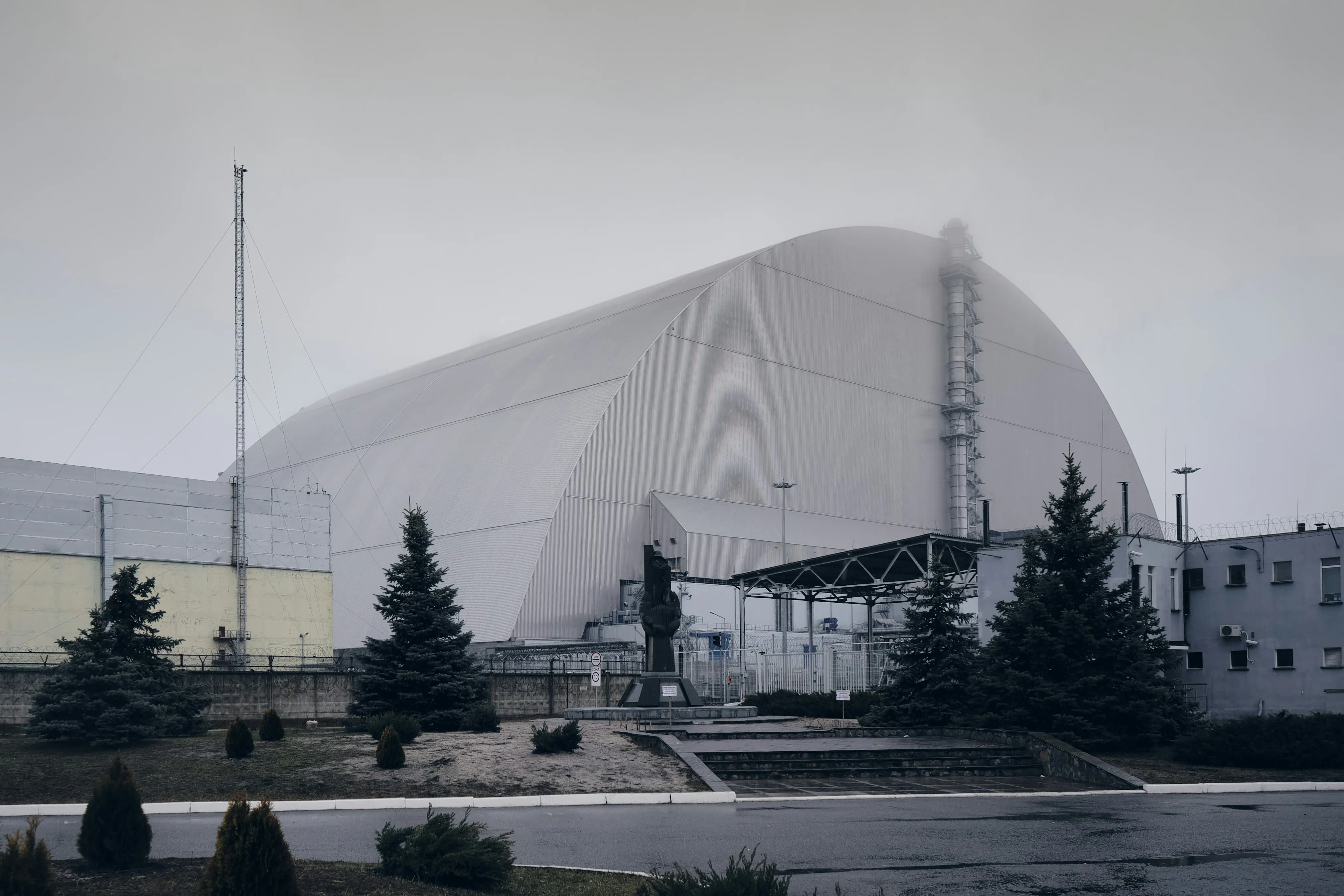
The current legislative movement is a direct response to the historical legacy of Italy's nuclear phase-out, which began in the late 1980s. Following the Chernobyl disaster in 1986, intense public opposition led to a series of national referendums that effectively ended nuclear activities in the country. This historical context remains a central point of contention in the current political landscape, as the government attempts to reverse decisions made decades ago.
The political divide is sharp. Supporters view the current move as a way to "restore the damage" caused by past public sentiment and to modernize the energy grid. Conversely, opponents argue that the government is attempting to bypass the democratic will expressed in those previous referendums. This tension between historical public caution and modern economic necessity defines the current legislative struggle in the Senate.
The impact of past referendums
The 1980s and the subsequent 2011 attempt to restart nuclear programs failed due to significant voter resistance. These past failures have created a political environment where any move toward nuclear energy is met with immediate scrutiny regarding public safety and democratic legitimacy. The current administration is essentially attempting to build a new consensus through technological modernization and economic necessity.
What are the primary arguments from the opposition?
Critics of the new law argue that the focus on nuclear energy is a diversionary tactic intended to avoid the more urgent task of expanding renewable energy sources. Opposition leaders from various parties have characterized the policy as a political maneuver rather than a practical energy solution. They contend that Italy is lagging behind other European nations in the deployment of solar and wind energy, and that nuclear power will not provide the rapid relief needed to combat current high energy costs.
The opposition's criticism is centered on three main points: timing, technology, and political motivation. They argue that nuclear projects take decades to become operational, making them irrelevant to the immediate energy crisis. Furthermore, some politicians have questioned the very existence of the technologies being proposed, suggesting that the government is promoting unproven or overly complex solutions to avoid discussing renewables.
- Delayed Benefits: Opponents claim nuclear plants will not contribute to the grid for at least two decades, failing to address current inflation and energy costs.
- Renewable Neglect: There is a concern that nuclear investment will siphon resources and political will away from solar and wind expansion.
- Political Sincerity: Some legislators have dismissed the law as "propaganda" or an "election promise" designed to capture votes rather than provide energy.
Is nuclear energy a viable alternative to renewables in Italy?
The debate over whether nuclear energy complements or competes with renewable sources is at the heart of Italy's energy transition. The government presents nuclear power as a necessary component of a diversified and secure energy system, capable of providing stable, base-load power that complements the intermittent nature of wind and solar energy. The goal is to create a "sustainable and competitive energy system" that can support long-term social and economic development.
However, the opposition maintains that the high costs and long lead times of nuclear power make it an inefficient choice compared to the rapid scalability of renewables. They argue that the immediate economic pressure on households and businesses requires the fast deployment of existing technologies like solar and wind. This creates a fundamental disagreement over the optimal mix for Italy's future energy portfolio: a high-tech, centralized nuclear-supported grid versus a decentralized, renewable-led system.
Frequently asked questions
When could Italy see its first new nuclear reactors?
The Italian government, through Energy Minister Gilberto Pichetto Fratin, has set an ambitious target for the first domestic reactors to be operational by 2035. This timeline assumes the rapid implementation of the new regulatory framework and the successful deployment of small modular reactor technologies.
What kind of nuclear technology is being planned?
The new law specifically allows for the development of various types of nuclear installations, with a significant emphasis on small modular reactors (SMRs). These are intended to be more modern and potentially more flexible than the large-scale reactors used in the past.
How did Italy lose its nuclear capacity?
Italy phased out its nuclear power following intense public opposition triggered by the 1986 Chernobyl disaster. This led to national referendums that effectively halted nuclear operations, a status that remained largely unchanged until the recent legislative developments in 2026.
Why is the opposition against the new nuclear law?
Opposition parties argue that the law is a political distraction from the need to expand renewable energy. They claim that nuclear technology is too slow to address current energy costs and that the government should prioritize solar and wind power instead.
Does the new law cover nuclear waste?
Yes, the legislation includes provisions for the management of the nuclear fuel cycle. This includes establishing specific rules for the handling and disposal of spent nuclear fuel, as well as implementing comprehensive safety protocols for all facilities.
Key takeaways
- The Italian Senate approved a new nuclear energy law with 81 votes in favor.
- The law establishes a regulatory framework for construction, safety, and fuel management.
- The government aims to have the first domestic reactors operational by 2035.
- Small modular reactors (SMRs) are a central part of the new energy strategy.
- The policy aims to reduce dependence on imported natural gas and lower energy costs.
Conclusion
The approval of the nuclear energy law marks a pivotal shift in Italy's long-standing energy policy. By moving to re-establish a domestic nuclear sector, the Meloni government is attempting to address the structural vulnerabilities of the nation's energy supply and its industrial competitiveness. While the promise of domestic production by 2035 offers a vision of energy autonomy, the path forward is complicated by significant political opposition and the historical memory of past nuclear phase-outs. The success of this initiative will depend on the government's ability to balance technological ambition with public safety concerns and the rapid deployment of renewable alternatives.