What caused the Lake Plastira shipwreck in 1959?
The Lake Plastira shipwreck was triggered by a combination of extreme weather conditions and an overloaded vessel attempting to navigate newly flooded territories. On the eve of the Saint Nicholas holiday, December 5, 1959, twenty individuals departed from the Tsardaki area to reach their homes near what is now the Neochori Botanical Garden. Because the construction of the Plastira dam had recently flooded the plateau, traditional roads were submerged, making boat travel the only viable method of communication between the eastern and western sides of the Nevropoli region.
Despite warnings from locals to remain in Tsardaki—which served as a local hub with a café and shop—the group proceeded with their journey. The boat, heavily laden with goods for the holiday celebrations, encountered violent winds and severe storms mid-route. The vessel could not withstand the environmental pressure and capsized, leading to the immediate drowning of all twenty passengers. The tragedy was exacerbated by a total lack of safety equipment; none of the passengers, including the boatman, knew how to swim, and no life-saving measures were available in the freezing waters.
The absence of safety protocols
The fatal nature of the accident was compounded by the absence of any maritime safety infrastructure in the newly formed lake. At the time, the transition from land-based transport to water-based transit was in its infancy. There were no life jackets, no rescue boats, and no emergency response protocols established for the artificial lake. Furthermore, the extreme cold of the water significantly reduced the chances of survival for anyone who might have managed to stay afloat.
How did the creation of the dam change the region?
The creation of Lake Plastira, part of the ambitious Tavropos dam project, fundamentally altered the geography and economy of the Karditsa plain. While the dam was designed to generate hydroelectric power and provide vital irrigation for the entire Karditsa plain, its immediate impact involved the loss of vast areas of fertile land. As the Nevropoli plateau filled with water, agricultural fields, grazing lands, and established road networks were permanently submerged.
The loss of these lands had significant socio-economic consequences for the local communities. According to Panagiotis Nanou, a local historian and former mayor of Lake Plastira, the flooding of these fertile areas stripped communities of critical income sources. This economic displacement led to a period of mass migration as residents were forced to seek livelihoods elsewhere. However, in the long term, the lake has transitioned from a source of displacement to a cornerstone of regional identity, driving modern economic and tourism development.
How is the memory of the tragedy preserved today?
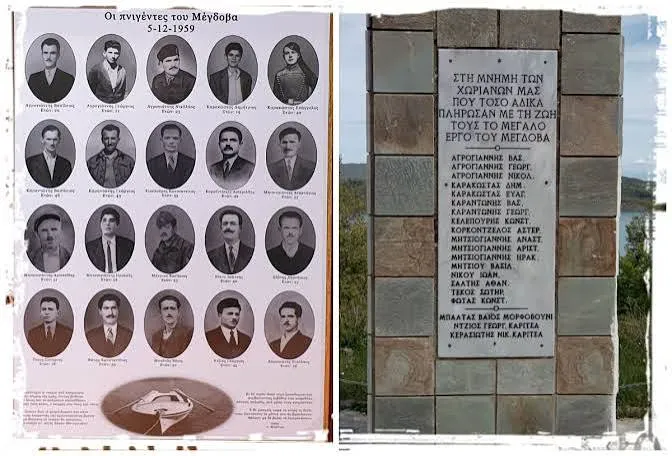
The memory of the 20 victims is maintained through dedicated local efforts and historical documentation. Giorgos Karantonis, an educator and president of the Neochori Young Cultural Association, has played a vital role in preserving this history. As the grandson of one of the victims, Karantonis spent four years gathering evidence, testimonies, and previously unknown photographs to ensure the accident remains part of the collective consciousness of the region.
Local authorities and cultural organizations continue to hold commemorations to honor the deceased. In 2019, a significant two-day event was held to mark the 50th anniversary of the dam's creation, with the first day specifically dedicated to the victims of the shipwreck. These efforts include the maintenance of photographic exhibitions at the Neochori Botanical Garden, which serve as a permanent record of both the region's agricultural history and the tragic loss of life that accompanied its modernization.
Upcoming historical commemorations
Looking toward the future, the municipality is preparing for significant milestones. The year 2027 will mark the centenary of the first technical survey by the Plastiras team to assess the feasibility of the dam project. To coincide with these historical reflections, the municipality plans to publish a commemorative volume. This publication will include a dedicated chapter on the 1959 shipwreck, featuring rare photographic evidence to ensure the tragedy is never forgotten by future generations.
What was the long-term impact of the shipwreck on Greek society?
The shipwreck was recognized at the time as one of the largest freshwater maritime disasters in Greece, sending shockwaves through the entire nation. Beyond the immediate mourning, the event highlighted the risks associated with rapid infrastructural development when safety measures do not keep pace with technological changes. The tragedy serves as a somber reminder of the human cost involved in large-scale engineering projects that reshape the natural environment.
Today, Lake Plastira is viewed through a dual lens: it is a vital source of life and energy for the region, yet it remains inextricably linked to the memory of the twenty men from Neochori. The transformation of the landscape from a collection of flooded fields into a major tourist destination has not erased the historical scars of 1959, but rather integrated them into the complex identity of the Lake Plastira municipality.
Key takeaways
- The 1959 Lake Plastira shipwreck resulted in the deaths of 20 people, mostly workers from Neochori.
- The accident occurred on December 5, 1959, during severe weather and high winds.
- The lack of swimming skills and safety equipment among passengers contributed to the high fatality rate.
- The dam's construction led to significant land loss and subsequent mass migration in the region.
- Local historians and associations actively preserve the memory through exhibitions and upcoming publications.
FAQ: Lake Plastira shipwreck
Why did the boat capsize in 1959?
The boat capsized because it was heavily overloaded with goods and encountered severe weather, including strong winds and storms. The vessel was unable to maintain stability in the rough conditions of the newly formed lake, leading to the drowning of all twenty passengers on board.
Who were the victims of the tragedy?
The victims were twenty individuals, the majority of whom were workers involved in the construction of the Plastira dam. Seventeen of the deceased were residents of the village of Neochori, many of whom were returning home for the Saint Nicholas holiday celebrations.
How did the dam affect local livelihoods?
The dam flooded fertile agricultural lands and grazing areas, which caused a significant loss of income for local communities. This economic disruption was a primary driver for mass migration away from the Nevropoli plateau during the period following the lake's formation.
Is there a memorial for the victims?
Yes, the memory is preserved through local cultural associations and exhibitions at the Neochori Botanical Garden. The municipality also holds commemorative events and is planning a commemorative publication to ensure the history and the victims are remembered by future generations.
What is the significance of the year 2027 for the region?
The year 2027 marks the 100th anniversary of the first technical mission to assess the feasibility of the Plastira dam project. This milestone will be observed with historical reflections on the project's beginning and its profound impact on the region's landscape and people.
Conclusion
The Lake Plastira shipwreck of 1959 stands as a tragic chapter in the history of Greece's infrastructural modernization. While the dam project successfully transformed the economy of the Karditsa plain by providing water and electricity, it did so at a significant human and social cost. The loss of twenty lives and the displacement of entire communities remain central to the local identity. Through the dedicated work of historians and the community, the memory of those lost in the freezing waters of the lake continues to be honored, ensuring that the progress of the region is always viewed alongside its historical sacrifices.