Strengthening the fight against financial crime
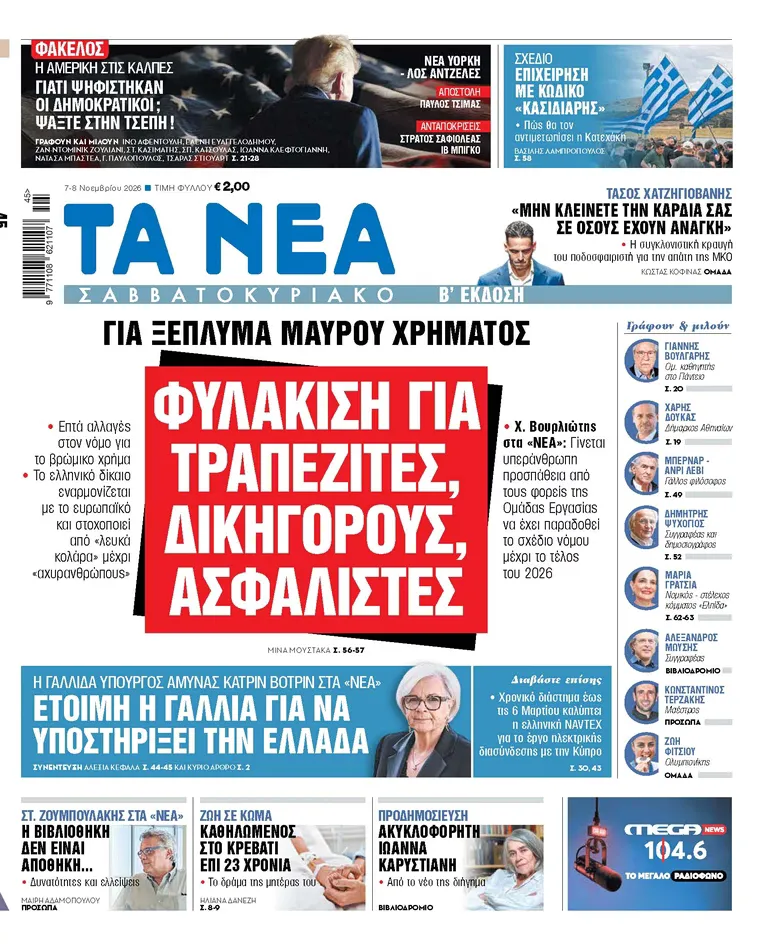
The proposed legislative updates focus on tightening the net around illicit financial flows through seven specific changes to existing anti-money laundering laws. These amendments are designed to address the evolving complexities of "dirty money" and ensure that the legal framework remains robust against sophisticated criminal tactics. By refining the definition of laundering activities and the mechanisms for detection, the authorities aim to close loopholes that have historically allowed illicit funds to enter the legitimate economy.
The primary objective of these reforms is to ensure that the Greek legal system is fully synchronized with the broader European regulatory landscape. As financial crimes become increasingly transnational, the need for standardized protocols and penalties across the EU becomes critical for effective enforcement and cross-border cooperation.
Targeting white-collar and intermediary sectors
New penalties for bankers, lawyers, and insurance professionals are central to the upcoming legislative shift. The reforms move beyond targeting traditional criminal elements to focus heavily on "white-collar" actors—individuals who use their professional status and expertise to facilitate or overlook suspicious transactions. This includes not only those actively participating in money laundering but also those who fail to meet their mandatory reporting and due diligence obligations.
The scope of the law is broad, aiming to catch everyone from high-ranking executives in financial institutions to the "straw men" or proxies used to mask the true ownership of assets. By imposing prison sentences on these professional intermediaries, the law seeks to create a powerful deterrent, reinforcing the responsibility that legal and financial experts hold in maintaining the integrity of the financial system.
Implementation timeline and legislative efforts
A significant effort is currently underway by the relevant Task Force to finalize the draft legislation. According to Ch. Vourliotis, there is a massive undertaking by the Task Force members to ensure the draft law is completed by the end of 2026. This timeline reflects the complexity of harmonizing domestic law with multifaceted EU directives while ensuring that the new regulations are practically enforceable.
The legislative process will require careful coordination between financial regulators, legal experts, and government bodies. The goal is to deliver a comprehensive package that not only punishes wrongdoing but also provides clear guidance for professionals on how to comply with the new, more stringent standards. The successful delivery of this bill by the 2026 deadline remains a priority for the regulatory authorities involved.
Frequently Asked Questions
Which professionals are most affected by the new laws?
Bankers, lawyers, and insurance professionals are the primary groups targeted by these changes. The law focuses on those who hold positions of trust and may be used, either through negligence or intent, to facilitate the movement of illicit funds through the legal economy.
How many changes are being made to the law?
The proposed legal overhaul includes seven specific changes to the existing anti-money laundering legislation. These amendments are designed to modernize the legal framework and ensure it meets the rigorous standards set by the European Union regarding the prevention of financial crimes.
When is the new legislation expected to be ready?
The draft law is currently being developed by a specialized Task Force. According to Ch. Vourliotis, the aim is to have the legislative plan completed and ready by the end of 2026, following an intensive period of regulatory preparation.