How is New Democracy preparing for the 2027 elections?
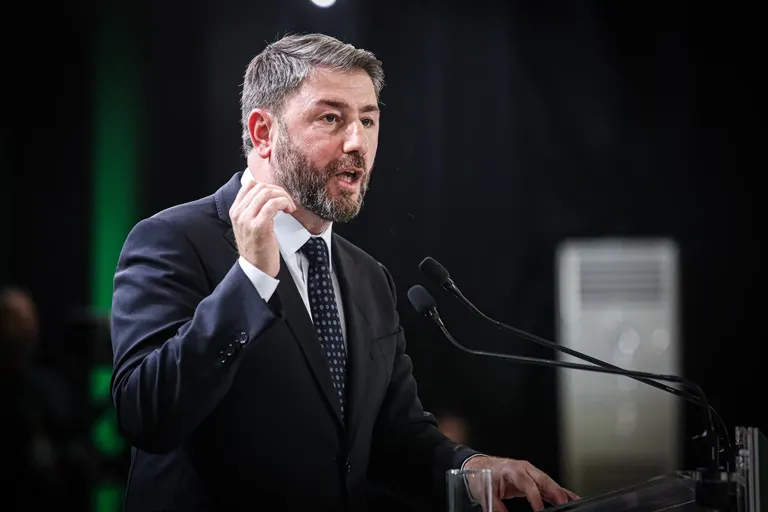
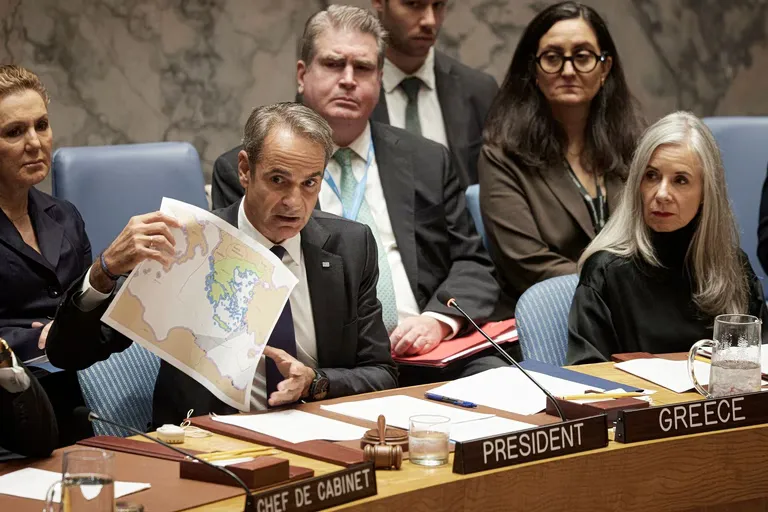
Kyriakos Mitsotakis is transitioning New Democracy into a state of full electoral readiness through a structured series of ministerial and party meetings. Following a cabinet meeting to define departmental priorities, the Prime Minister is set to lead the first session of the party's Executive Secretariat. This meeting follows the recent party congress and serves as the formal launch of the pre-election organizational phase.
The strategy involves a dual-track approach: government administration and party mobilization. While the cabinet focuses on setting four key priorities for every ministry to be implemented before the elections, the party apparatus is intensifying its regional presence. This organizational push is being coordinated by key figures including Konstantinos Kyranakis, Ioannis Smyrlis, Kontadakis, and Nezi, who are overseeing the expansion of party activities across the country.
The role of the Executive Secretariat
The Executive Secretariat acts as the engine of the party's mobilization. During its sessions, the party leadership reviews the progress of regional tours and sets the schedule for upcoming engagements. A critical component of this phase is the involvement of the party's grassroots base, which will be invited to contribute to the drafting of the government's upcoming political program. This ensures that the party's platform is not merely top-down but reflects the internal organizational strength of New Democracy.
What is the significance of the 30% psychological threshold?
New Democracy is specifically targeting a polling threshold of 30% to establish political dominance and secure a clear mandate. Within the ruling party, this figure is viewed as a critical psychological and strategic benchmark. Reaching 30% is seen as the dividing line between being a dominant, large-scale party and being a minor player in a fragmented political landscape.
The drive for 30% is also a defensive measure against the risk of a second-round runoff. The party leadership recognizes that falling below this threshold would make it difficult to justify a pursuit of absolute majority through a second round of voting. By aiming for a strong first-round performance, Mitsotakis intends to solidify his position and avoid the instability often associated with coalition-building or secondary electoral processes.
Which geopolitical and economic factors are impacting the political climate?
The path toward the 2027 elections is complicated by two major external pressures: persistent inflation and the Turkey-Libya memorandum. These issues create a challenging atmosphere for the Mitsotakis administration as it attempts to maintain public support while managing national interests.
Economic stability remains a primary concern for the Greek electorate. The ongoing cost-of-living crisis continues to affect both individual households and businesses, creating a sense of economic anxiety that the opposition is likely to exploit. Simultaneously, the ratification of the Turkey-Libya memorandum by the Libyan House of Representatives has introduced a new layer of geopolitical tension. This development places additional pressure on the Greek government to navigate complex maritime and diplomatic disputes in the Eastern Mediterranean.
How is the party restructuring its internal mechanisms?
Internal reorganization is a cornerstone of the current election readiness strategy, focusing on both leadership composition and regional outreach. The recent party congress has resulted in a finalized composition for the leadership, which includes prominent figures such as Kostis Hatzidakis, Adonis Georgiadis, and Konstantinos Kyranakis, among others.
The party is also focusing on the renewal of its organizational machinery and the preparation of electoral ballots. This involves a systematic review of regional performance across several Greek territories. The party has already completed extensive tours in areas such as Western Greece, the Peloponnese, Eastern Macedonia and Thrace, Central Macedonia, Western Macedonia, Epirus, the Dodecanese, and the Ionian Islands. The next phase will focus on scaling these efforts to ensure the party's infrastructure is robust enough to handle a full national campaign.
Regional tour assessments
The assessment of these regional tours is vital for the party's strategic planning. By reviewing the outcomes of the tours conducted from the summer to the present, the Executive Secretariat can identify areas of strength and weakness. This data-driven approach allows the party to tailor its messaging and resource allocation to specific demographics and geographic regions, ensuring that the mobilization effort is both efficient and impactful.
Frequently asked questions
When are the Greek elections expected to take place?
While the exact date has not been officially set, the current political atmosphere suggests that the 2027 electoral cycle is the primary focus. The Prime Minister has already begun mobilizing the party, indicating that preparations are underway well in advance of the actual polling period.
Why is the 30% vote share so important for New Democracy?
The 30% mark is considered a critical threshold for political legitimacy. Achieving this level of support allows the party to be classified as a dominant political force and provides a stronger mandate to seek an absolute majority without needing to rely heavily on second-round electoral processes.
What are the main challenges facing the Mitsotakis administration?
The administration faces significant domestic and international challenges. Domestically, the ongoing cost-of-living crisis and inflation are major concerns for voters. Internationally, the ratification of the Turkey-Libya memorandum by Libya's parliament has introduced new geopolitical tensions in the Mediterranean region.
Who are the key figures leading the party's mobilization?
The mobilization is being led by Prime Minister Kyriakos Mitsotakis, supported by a core group of party leaders. Key coordinators for the party's regional activities include Konstantinos Kyranakis, Ioannis Smyrlis, Kontadakis, and Nezi, who are managing the organizational expansion.
How is the party involving its members in the political program?
New Democracy is implementing a strategy to involve its grassroots base in the drafting of the government's political program. This is part of a broader effort to renew the party's mechanisms and ensure that the upcoming electoral platform has wide-ranging support within the party's membership.
Key takeaways
- Kyriakos Mitsotakis has initiated New Democracy's election readiness for the 2027 cycle.
- The party is targeting a 30% vote share to ensure political dominance and legitimacy.
- Persistent inflation and the Turkey-Libya memorandum represent major political headwinds.
- Organizational efforts include extensive regional tours and grassroots involvement in program drafting.
Conclusion
The transition of New Democracy into a state of election readiness marks a decisive shift in the Greek political landscape. By initiating organizational reforms and regional mobilization early, Kyriakos Mitsotakis is attempting to build a defensive bulwark against economic discontent and geopolitical instability. The party's success will likely depend on its ability to meet the 30% psychological threshold and effectively address the cost-of-living concerns that dominate the public discourse. As the 2027 elections approach, the interplay between internal party discipline and external socio-economic pressures will define the trajectory of the current administration.