How is PASOK executing its new expansion strategy?
PASOK is currently undergoing a significant organizational expansion aimed at broadening its political base and strengthening its internal structure. The expansion committee, headed by Kostas Skandalidis, is scheduled to convene at the Caravel to announce a new wave of incoming members. According to recent reports, this move is expected to bring approximately 20 new figures into the party fold.
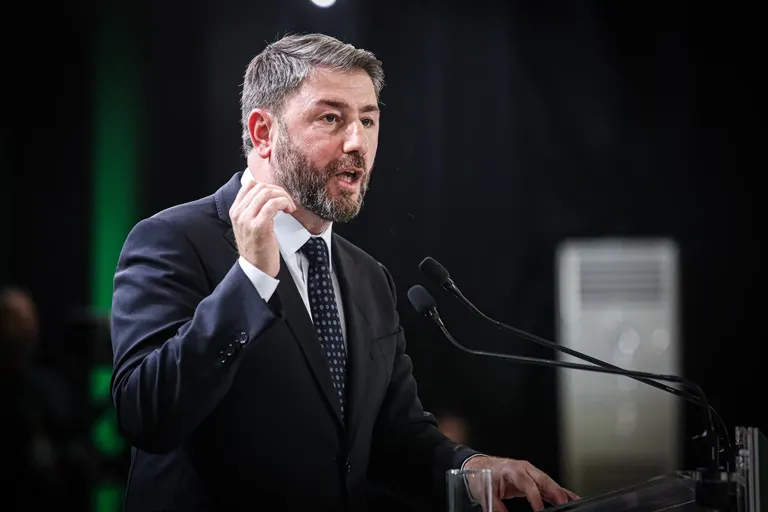
The expansion is not merely about increasing numbers but is a calculated effort to diversify the party's profile. During the upcoming plenary session, PASOK leader Nikos Androulakis is expected to set the tone, focusing on national issues and the party's dual mission to engage both the Parliament and broader society. The session will also include contributions from key figures such as Dimitris Mantzos and Stelios Perrakis, ensuring a multi-faceted approach to the expansion process.
The role of the expansion committee
The expansion committee serves as the primary engine for political recruitment within PASOK. By identifying individuals who can bridge the gap between traditional party structures and modern social movements, the committee aims to revitalize the party's image. This process involves rigorous consultations to ensure that new members align with the strategic direction set by the leadership.
What is the timeline for PASOK ballot planning?
The planning of PASOK electoral ballots is entering a critical phase, with a structured timeline established to ensure organizational readiness. The party aims to have approximately 70% of its candidate list finalized by late November or early December 2026. This process will involve a formal session of either the Central Committee or the National Council to ratify the names.
The strategic importance of this timeline cannot be overstated. By announcing the majority of the candidates well in advance, PASOK intends to activate its grassroots mechanisms and encourage members to engage in the "battle of the cross"—the process of securing individual votes for specific candidates. This early mobilization is designed to create momentum and test the strength of various local organizations before the official election period begins.
How is the party selecting candidates for urban centers?
PASOK is employing a dual-track approach to candidate selection, particularly with a focus on high-stakes urban constituencies. The party is balancing institutional continuity with the recruitment of high-profile personalities to maximize electoral appeal in major metropolitan areas.
The selection process is currently being managed through two distinct channels:
- The Ballot Committee: Led by Petros Lamprou, this committee has already finalized dozens of names, focusing on established party members and reliable candidates.
- Leadership Directives: The party leadership is personally involved in negotiating with specific high-profile individuals to ensure the most impactful names are on the ballot.
This meticulous planning is most evident in the strategy for large urban centers, where the competition for votes is most intense. The party is looking for a blend of experienced politicians and well-known public figures to ensure a broad spectrum of representation.
Who are the key figures joining or influencing the PASOK ballots?
Several high-profile names are central to the current discussions regarding the composition of PASOK's electoral lists. The movement of these individuals is seen as a barometer for the party's growing influence and its ability to attract diverse talent.
One of the most significant anticipated moves is the joining of Nina Kasimati, whose arrival is expected to bolster the party's presence in the Piraeus B constituency. Additionally, the party is navigating complex negotiations regarding other prominent figures. For instance, MP Theodora Tzakri is reportedly in advanced discussions with PASOK leadership, though final decisions regarding her status remain pending.
Notable potential candidates
Beyond the confirmed movements, several other names are circulating within the party's strategic planning circles:
- Stefanos Konstantinidis: The well-known journalist and deputy culture spokesperson is expected to make his official entry into the political arena by running for office.
- Dimitris Ungarezos: His name has recently appeared on the party's radar, suggesting a continued interest in recruiting influential public figures.
- Local Reinforcements: In Piraeus B, the party is actively looking for additional candidates with strong public visibility to complement the existing list.
What are the immediate priorities for Nikos Androulakis?
Nikos Androulakis is pursuing a multifaceted leadership strategy that combines legislative focus with direct social engagement. His immediate agenda involves addressing critical socioeconomic issues while maintaining a visible presence across the country.
On the legislative front, Androulakis is set to address the issue of private debt during the upcoming plenary session. This focus on economic stability and social welfare is part of his broader attempt to position PASOK as a defender of the citizenry's interests. Simultaneously, he is undertaking a two-day tour of the Peloponnese to strengthen regional connections and demonstrate the party's national reach.
Furthermore, his participation in the KEDE conference in Kalamata highlights the party's commitment to engaging with local government and regional stakeholders. This combination of high-level policy debate and grassroots touring is central to his vision of a party that is both institutionally strong and socially connected.
FAQ: PASOK expansion and ballot planning
What is the main goal of the PASOK expansion?
The primary goal is to broaden the party's political base and diversify its membership. By bringing in approximately 20 new members, PASOK aims to refresh its political identity and strengthen its capacity to engage with various sectors of Greek society.
When will the PASOK candidate list be finalized?
PASOK aims to announce approximately 70% of its candidate names by late November or early December 2026. This timeline is intended to allow for early mobilization of party members and local organizations ahead of the elections.
Who is Nina Kasimati and why is her move significant?
Nina Kasimati is a prominent figure whose expected joining of PASOK is seen as a strategic move to strengthen the party's electoral strength in the Piraeus B constituency, providing a boost to its local presence.
How is PASOK managing its candidate selection process?
The party uses a dual-track method. A dedicated ballot committee led by Petros Lamprou handles standard candidate selection, while the party leadership directly manages negotiations with high-profile individuals to ensure strategic representation.
What role does Nikos Androulakis play in this process?
As the leader of PASOK, Nikos Androulakis sets the strategic direction for both expansion and candidate selection. He also leads the policy discourse, focusing on issues like private debt and national interests to align the party's platform with social needs.
Key takeaways
- PASOK expects to welcome approximately 20 new members through its expansion committee.
- The party aims to announce 70% of its electoral candidates by late November 2026.
- Nina Kasimati is expected to join PASOK to strengthen the Piraeus B constituency.
- Journalist Stefanos Konstantinidis is poised to make an official political debut.
- The party is utilizing a dual-track candidate selection process for urban centers.
Conclusion
The current activities within PASOK signal a period of intense organizational preparation and strategic repositioning. Through the dual efforts of expanding its membership base and meticulously planning its electoral ballots, the party is attempting to build a robust foundation for upcoming political contests. The integration of high-profile figures like Nina Kasimati and the potential debut of personalities like Stefanos Konstantinidis suggest a drive toward increased public visibility. Ultimately, the success of these initiatives will depend on the party's ability to translate these organizational shifts into sustained social and legislative influence across Greece.