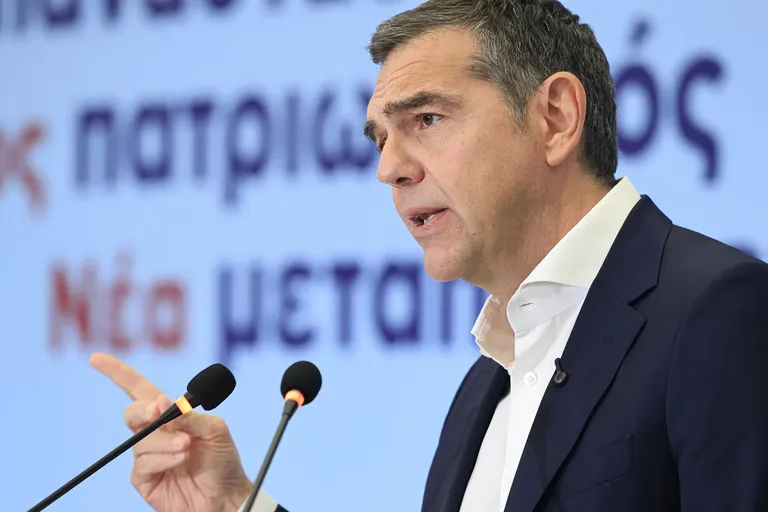
How is Alexis Tsipras reshaping his political strategy?
Alexis Tsipras is focusing his political efforts on reclaiming the urban centers and the labor-intensive sectors of the Greek economy. Historically, the Attica region has served as the primary source of his electoral strength, and his current trajectory seeks to fortify this base. Despite recent polling showing stagnation, the strategic design for SYRIZA remains unchanged, with a clear objective to widen the gap between the party and PASOK.
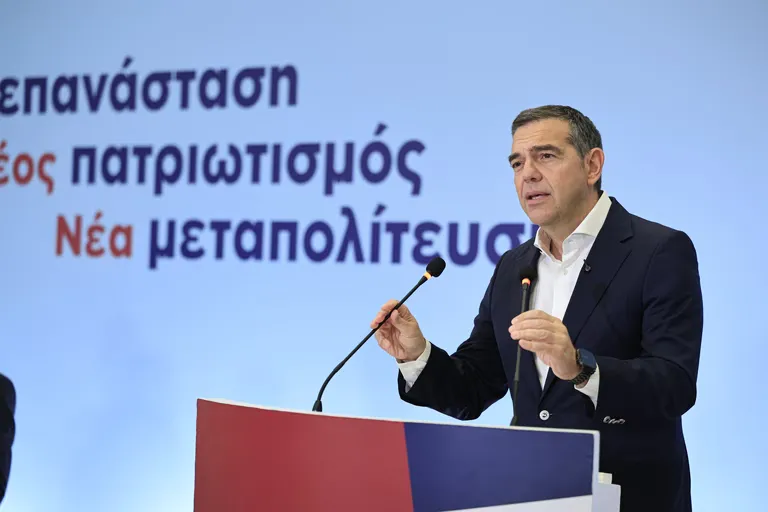
The former Prime Minister is moving toward a strategy of consolidation, aiming to ensure that SYRIZA remains the undisputed second force in Greek politics. To achieve this, he is preparing a significant political event scheduled for early next year. This event is intended to serve as a broad call to action, targeting progressive forces within both the Left and the Center to create a unified front.
The role of urban centers in electoral success
The strategy relies heavily on the demographic density of Athens and its surrounding suburbs. By focusing on these metropolitan hubs, Tsipras seeks to mobilize a voter base that is highly sensitive to economic shifts and labor conditions. This urban-centric approach is designed to create a momentum that can eventually spill over into other regions, though the immediate priority remains the stabilization of his core supporters.
What role do delivery workers play in the new agenda?
The engagement with the gig economy, specifically delivery workers, represents a pivotal shift in the party's outreach. On a recent Thursday, Tsipras held a two-hour meeting with efood delivery riders at the 'Architektoniki' in Zografou. This meeting, organized by Labor Sector Chief Dionysis Temboneras, was not merely a symbolic gesture but a targeted attempt to address the specific grievances of a growing and vulnerable workforce.
During these discussions, the focus remained on two critical pillars: the restoration of collective bargaining agreements and the enhancement of workplace safety. The delivery sector in Greece has seen a significant rise in accidents, leading to numerous casualties on the streets. By addressing these issues, Tsipras is attempting to position SYRIZA as the primary defender of workers who operate outside traditional employment frameworks.
Addressing the safety concerns of the gig economy
The precarious nature of delivery work often leaves riders without the legal protections afforded to traditional employees. Tsipras has explicitly highlighted the need for legal compliance and the implementation of safety protocols to prevent further loss of life in the sector. This focus on 'legality and safety' serves as a direct response to the rapid, often unregulated, expansion of digital delivery platforms in Greece.
How is the party handling internal dynamics and leadership?
Tsipras is utilizing high-profile public appearances to signal unity and decisive leadership within SYRIZA. By accompanied by close advisors Marantzidis and Karteros during recent labor meetings, he has sent a clear message to both internal critics and external observers. These advisors have recently been the subject of intense discussion and behind-the-scenes criticism within the party.
The decision to bring these figures into the spotlight is a calculated communicative move. It serves to debunk rumors of internal discord and 'grumbling' regarding his choice of personnel. By standing alongside them, Tsipras asserts his authority and demonstrates that he remains the architect of the party's direction, effectively neutralizing potential narratives of fragmentation.
What is the focus for the youth demographic?
The mobilization of the younger generation is a cornerstone of the current political roadmap. Following his meeting with delivery workers, Tsipras met with the newly formed 'New Generation of SYRIZA' and their coordinators. The message delivered to these young activists was one of urgency: the time has arrived for the youth to enter the political fray through active, grassroots movements and organized actions.
This push for youth engagement is designed to breathe new life into the party's image and ensure long-term sustainability. By encouraging 'offensives and actions' from the youth wing, the leadership hopes to transform passive support into active political participation, creating a more dynamic and visible presence on the streets and in digital spaces.
What are the long-term objectives for SYRIZA?
The overarching goal of these tactical moves is to create a broad progressive coalition. The planned political event for early 2025 is intended to be the catalyst for this expansion. Rather than remaining a niche leftist party, the strategy aims to position SYRIZA as a broad tent capable of attracting progressive voters from the center-left spectrum.
This involves a delicate balancing act: maintaining the core leftist identity while presenting a platform that is sufficiently inclusive to challenge the dominance of PASOK in the center-left space. The success of this strategy will likely depend on how effectively the party can translate these symbolic meetings into tangible policy promises and sustained electoral growth.
Frequently asked questions
What is the main focus of Alexis Tsipras's current political strategy?
The main focus is re-establishing a connection with the working class and the youth. This includes addressing the needs of gig economy workers, such as delivery riders, and revitalizing the party's youth wing to build a broader progressive coalition across the Left and Center.
Why is the delivery sector a priority for SYRIZA?
The delivery sector is a priority because it represents a growing, vulnerable segment of the workforce. Tsipras is focusing on issues like workplace safety, the prevention of road accidents, and the restoration of collective bargaining rights to appeal to these precarious workers.
How is Tsipras responding to internal party criticism?
Tsipras is responding by publicly supporting his close advisors, such as Marantzidis and Karteros. By including them in major political engagements, he aims to signal party unity and demonstrate that he maintains full control over his leadership team and political direction.
What is the goal of the 'New Generation of SYRIZA'?
The goal of this group is to mobilize younger voters and activists. Tsipras is encouraging them to move beyond traditional politics and engage in direct, active political movements to ensure the party's future and expand its influence.
How does SYRIZA plan to compete with PASOK?
SYRIZA aims to widen the gap with PASOK by positioning itself as a more robust, progressive alternative. The strategy involves organizing large-scale political events to attract voters from both the Left and the Center, aiming to secure its position as the primary opposition force.
Key takeaways
- Tsipras is prioritizing the urban Attica region to consolidate his primary electoral base.
- A major political event is planned for early next year to unite progressive forces.
- The party is focusing on collective bargaining and safety for delivery workers.
- Publicly backing controversial advisors is a tactic to signal internal party unity.
- Youth mobilization is being urged through the 'New Generation of SYRIZA' wing.
Conclusion
The current political trajectory of Alexis Tsipras reflects a strategic pivot toward the socio-economic realities of modern Greece. By focusing on the precariousness of the gig economy and the energy of the youth, he is attempting to rebuild the progressive coalition that once defined his leadership. While the party faces the challenge of stagnant polling and internal scrutiny, the emphasis on labor rights and visible leadership suggests a determined effort to reclaim political momentum. The success of this approach will ultimately be measured by SYRIZA's ability to bridge the gap between traditional leftist values and the needs of a changing, urbanized electorate.