Why are New Democracy MPs facing backlash in their constituencies?
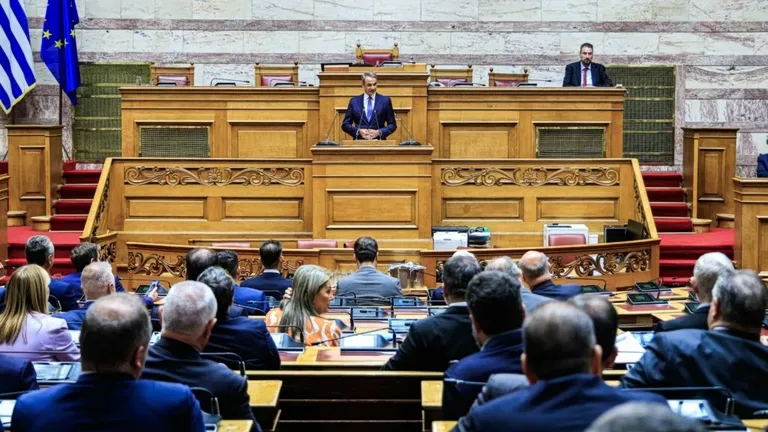
New Democracy MPs are reporting significant hostility from voters during local engagements, describing the atmosphere as one where they feel they are 'taking a beating' from the public. This discontent is not merely anecdotal; it reflects a growing disconnect between the ruling party's central leadership and the lived reality of citizens in various Greek regions.
The primary driver of this anger is the overwhelming cost of living. MPs are encountering citizens who are deeply anxious about their ability to afford basic necessities, such as heating oil and food. There is a particular sense of urgency among elderly populations, with representatives questioning whether the government has considered the impact of high energy costs on those over 65 who must remain indoors during winter months.
Furthermore, the agricultural sector is described as being in an 'explosive' state, with farmers expressing profound frustration. This localized anger is being funneled back into the party's internal corridors, creating a sense of unease among lawmakers who fear that the current public mood will translate into a punitive vote in upcoming elections.
What does the economic data reveal about Greek household struggles?
Statistical data highlights the severity of the financial pressure facing Greek households, providing a quantitative basis for the anger expressed by MPs. According to a GPO poll conducted for iefimerida, the majority of the population is operating under significant economic strain.
The poll results indicate a stark breakdown of financial stability among the populace:
- 41.5% of respondents report that they cover their needs with difficulty.
- 18.6% state they have great difficulty covering all their needs.
- 5.9% report they cannot even meet their basic requirements.
When looking at specific expenditure categories, the pressure becomes even more evident. The survey shows that 53.2% of people struggle with food and supermarket expenses, while 55.8% find it difficult to pay energy bills. Most notably, the struggle for fuel and heating oil reaches 66.1%. Only a small fraction of the population—5.9%—reports living comfortably with the ability to save money, while 26.7% live comfortably but lack any savings capacity. This suggests that nearly two-thirds of the population is moving between the boundaries of poverty and severe economic pressure.
How is foreign policy contributing to internal party criticism?
Beyond domestic economic issues, New Democracy MPs are expressing significant dissatisfaction with recent foreign policy developments, specifically regarding the 'Turco-Libyan memorandum.' The ratification of this memorandum by the Libyan House of Representatives has become a flashpoint for internal dissent.
Lawmakers within the New Democracy parliamentary group have characterized this development as a 'diplomatic defeat' for Greece. The core of the criticism lies in the perception that the memorandum confirms Turkish dominance in Libya, a situation that MPs argue is a direct consequence of the current Greek government's handling of the region. This perceived loss of influence is creating a rift between the party's rank-and-file members and the central administration at Maximos.
The government's response to diplomatic criticism
The government has attempted to mitigate these concerns through official channels. Government spokesperson Pavlos Marinakis has addressed the opposition's critiques, arguing that a single move by another state does not constitute a national defeat. He suggested that while certain actions may appear as 'fireworks' or sudden maneuvers, the state is actively responding and following necessary procedures to protect national interests.
What are the allegations regarding government paralysis?
A third pillar of discontent involves the alleged administrative stagnation within various Greek ministries. MPs are raising concerns that the government has entered a state of paralysis, characterized by a lack of decisive leadership and decision-making.
Critics within the party suggest that ministries have effectively 'laid down their pens' due to the prolonged pre-election period. There is a growing sentiment that the country has been placed in an informal, extended campaign mode that has hindered standard governance. This perceived lack of management is being used by internal critics to suggest that the government is no longer effectively steering the country's affairs, but is instead merely coasting toward the next election cycle.
How is the government responding to the declining polls?
The administration at Maximos is attempting to counter the negative sentiment reflected in recent polling and the increasing internal criticism. The strategy appears to focus on direct financial interventions and increased visibility for the Prime Minister.
To address the cost-of-living crisis, the government is leaning on the implementation of IMF-related measures and specific scheduled payments. A key milestone is set for November 30, when payments of 400 euros are expected for pensioners over the age of 65, alongside rent assistance measures. These are intended to provide immediate relief to the most vulnerable sectors of the population.
Simultaneously, Prime Minister Kyriakos Mitsotakis is increasing his regional presence to combat the perception of detachment. By intensifying his regional visits—such as his upcoming trip to Vrilissia—the leadership aims to demonstrate active engagement with the electorate. However, many New Democracy MPs remain skeptical, warning that the 'silent anger' of the people is accumulating and is likely to manifest as a punitive electoral outcome.
Frequently asked questions
What is the main cause of New Democracy MPs' discontent?
The primary cause is the intense public anger regarding the cost of living and the difficulty citizens face in meeting basic needs. Additionally, MPs are frustrated by recent foreign policy setbacks in Libya and a perceived lack of administrative activity in government ministries.
How many Greeks are struggling financially according to the GPO poll?
According to the GPO poll, approximately 66% of the population is facing significant economic pressure, ranging from difficulty meeting needs to being unable to cover basic requirements. This includes high levels of struggle with food and energy costs.
What is the 'Turco-Libyan memorandum' issue?
It refers to the ratification of a memorandum by the Libyan House of Representatives that New Democracy MPs believe strengthens Turkish influence in Libya. They view this as a diplomatic failure and a loss of Greek influence in the region.
What measures is the government taking to help pensioners?
The government is planning to distribute a 400-euro allowance to pensioners over the age of 65 on November 30. This is part of a broader strategy to provide financial relief and address the cost-of-living crisis.
Why are ministries accused of being paralyzed?
Ministries are accused of paralysis because the prolonged pre-election period has allegedly led to a slowdown in decision-making and administrative action. MPs suggest that the government is focused more on campaigning than on active governance.
Key takeaways
- MPs report intense public anger in their regions regarding the high cost of living.
- GPO data shows 66% of citizens face severe economic pressure or poverty.
- Internal criticism targets the 'Turco-Libyan memorandum' as a diplomatic failure.
- Lawmakers allege administrative paralysis due to an extended pre-election period.
- The government is targeting November 30 for pensioner relief payments.
Synthesis of the political landscape
The current political climate in Greece is defined by a widening gap between the central government and its traditional voter base. The combination of acute economic hardship—evidenced by high energy and food costs—and perceived diplomatic setbacks has created a multi-front crisis for New Democracy. While the administration is attempting to use targeted financial aid and increased regional visibility to stabilize its position, the internal warnings from its own MPs suggest that the dissatisfaction is deeply rooted. The upcoming elections will likely serve as the ultimate verdict on whether these mitigation strategies are sufficient to counteract the accumulated public and internal discontent.