How did the Student List win the Serbian elections?
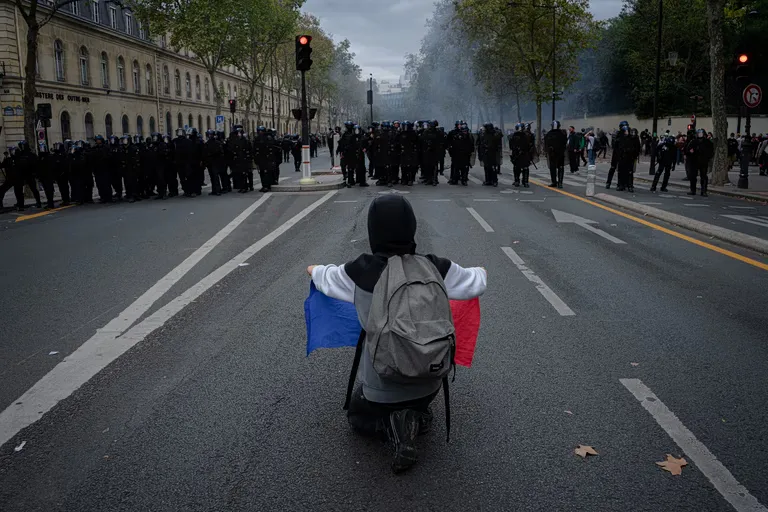
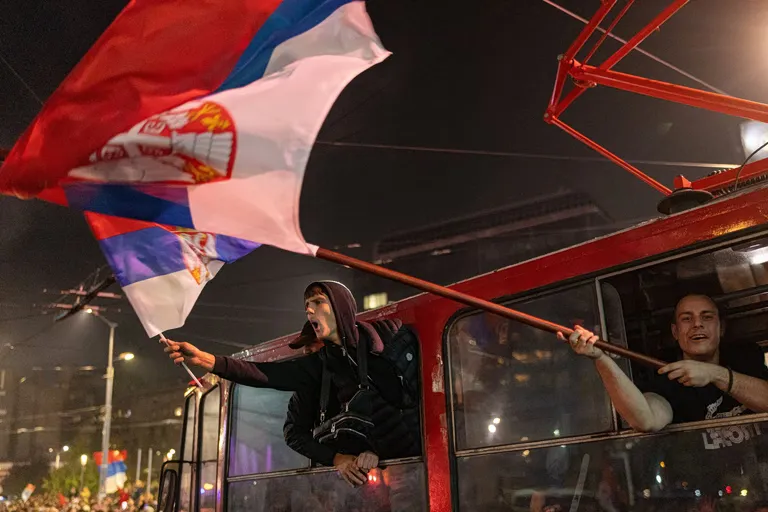
The Student List secured a sweeping 53% majority in the recent Serbian elections, marking a historic departure from the established political landscape. This victory was catalyzed by a grassroots student movement that emerged in the wake of the tragic railway accident in Novi Sad. The movement's momentum was further solidified when Aleksandar Vučić prematurely conceded the election, even before only 10% of the votes had been officially counted.
Unlike traditional political parties, the Student List is characterized by its high level of academic and professional expertise. The coalition is composed of a diverse range of individuals, including:
- University students and professors
- Medical professionals
- Artists and cultural figures
- Business entrepreneurs
While these candidates possess significant academic merit, they lack traditional political experience. This creates a unique governance dynamic where a 'government of experts' must navigate the complexities of state administration and confront deeply entrenched political networks.
What are the primary goals of the new government?
The Student List has formulated a comprehensive 11-point program centered on accountability, transparency, and the rule of law. These demands were developed through a collective decision-making process involving university assemblies and direct voting. The movement's domestic agenda is designed to address long-standing systemic issues within Serbia.
Key domestic reform priorities
The core of the movement's platform focuses on restructuring the state to ensure it serves the public interest rather than political elites. Their primary objectives include:
- Judicial Independence: Prioritizing the separation of the judiciary from political influence.
- Anti-Corruption: Implementing rigorous measures to combat systemic graft.
- Public Procurement: Increasing transparency in how state funds are allocated and spent.
- Media Freedom: Restoring the independence of the press and ensuring diverse viewpoints.
- Institutional Depoliticization: Removing political bias from public institutions and civil service.
- Social Infrastructure: Making significant investments in education, economic growth, housing, and healthcare.
These domestic priorities align closely with the structural reforms required for Serbia's eventual integration into the European Union. The movement aims to transform the energy of street protests into lasting institutional changes, though they face significant potential resistance from within the existing state bureaucracy.
How will the election impact Serbia's relationship with the EU?
The election results have been welcomed by Brussels, though the path to full EU integration remains complex. According to the European Institute for Strategic Studies (EUISS), the outcome represents a clear demand for domestic change, which could allow the EU to build a more sustainable partnership with Serbia and potentially ease regional tensions.
Public sentiment regarding European integration is largely positive among the new leadership's supporters. Data indicates that 75% of Student List supporters desire closer ties with the European Union. Furthermore, a July poll by CRTA showed that 42% of supporters view EU alignment as the best way to protect Serbia's national interests.
However, the EU must navigate the nuances of the movement's stance on specific geopolitical issues. While the Student List embraces European democratic values, this does not automatically translate into a singular pro-EU foreign policy. The movement has historically maintained certain nationalist positions, such as its May 2026 memorandum describing Kosovo as an "inseparable part of Serbia." Consequently, the European Commission's 2026 progress report is not expected to show a sudden, dramatic improvement in alignment, despite the change in leadership.
What is the outlook for Serbia's relations with Russia and China?
Serbia's foreign policy remains a delicate balancing act, as the new government inherits a legacy of complex ties with non-Western powers. The previous administration maintained strong security and political links with Moscow and expanded economic and defense cooperation with Beijing, including a free trade agreement signed in July 2024.
The influence of China and Russia on Serbian policy is evidenced by several key factors:
- Defense Procurement: China was the largest supplier of major weapons to Serbia between 2021 and 2025, accounting for 61% of imports.
- EU Obstacles: Deepened cooperation with Moscow has historically hindered the opening of new EU negotiation chapters since December 2021.
- Sanctions Stance: The movement has previously expressed opposition to EU sanctions against Russia.
Despite these ties, there is a significant divide in how the electorate views these alliances. While 9% of supporters favor a closer alliance with Russia and China, a much larger 49% advocate for a policy of neutrality. The new government will likely face the challenge of maintaining stability while deciding whether to pursue a geopolitical reorientation or continue the existing practice of balancing between East and West.
What challenges does the Student List face in governance?
The transition from a protest movement to a governing body presents several structural and political hurdles. The primary challenge lies in the movement's inherent heterogeneity. While united by a desire to move past the Vučić era, the group consists of various factions with differing views on foreign policy and national identity.
Furthermore, the government must manage the following risks:
- Institutional Resistance: Established political networks within the state apparatus may actively work to undermine reforms.
- Policy Inconsistency: Balancing the demand for EU alignment with the domestic desire for neutrality and the protection of national sovereignty.
- Economic Pressure: Implementing social reforms in housing and healthcare requires significant fiscal management amidst international uncertainty.
As EU Commissioner for Enlargement Marta Kos stated, "The door to the EU is open and we are ready to move forward together." Whether the Student List can translate this openness into a coherent, long-term strategy for both domestic reform and international integration will define the future of the Balkans.
FAQ: Student List Serbia elections
What was the main trigger for the Student List movement?
The movement was primarily ignited by the public outcry following the tragic railway accident in Novi Sad. This event acted as a catalyst for students and citizens to demand greater accountability, transparency, and an end to systemic corruption within the Serbian government.
Does the Student List support EU membership?
While the movement's supporters are largely pro-EU, with 75% favoring closer ties, the group's foreign policy is nuanced. They support European democratic values but have maintained firm stances on national issues, such as the status of Kosovo, which may complicate the accession process.
How does the Student List view Russia and China?
The movement is divided on these relations. While a small minority (9%) favors closer alliances with Russia and China, nearly half of the supporters (49%) prefer a policy of neutrality. The government must navigate these diverse views while managing existing defense and economic ties.
What is the composition of the new government?
The government is described as a 'government of experts,' consisting of individuals from outside the traditional political class. This includes academics, doctors, students, artists, and entrepreneurs, all selected for their professional and academic expertise rather than political experience.
What are the key domestic reform priorities?
The movement focuses on 11 central points, most notably judicial independence, anti-corruption measures, transparency in public contracts, media freedom, and the depoliticization of state institutions. They also prioritize investments in education, healthcare, and housing to drive economic growth.
Key takeaways
- The Student List won 53% of the vote, leading a movement of academics and professionals.
- Core domestic goals include judicial independence, anti-corruption, and media freedom.
- 75% of movement supporters favor closer ties with the European Union.
- Serbia maintains significant defense ties with China, which accounted for 61% of imports (2021-2025).
- A large portion of the electorate (49%) supports a policy of neutrality in foreign affairs.
Conclusion
The rise of the Student List represents a pivotal moment for Serbia, shifting the political focus from traditional party dynamics to academic and professional expertise. While the movement's domestic agenda is clearly aligned with the requirements for EU integration, its foreign policy remains a complex variable. The new government must successfully navigate the tension between its pro-democratic reforms and the deeply rooted geopolitical ties with Russia and China. Ultimately, the ability of this 'government of experts' to overcome institutional resistance and implement structural changes will determine whether Serbia can successfully bridge the gap between its current reality and a stable European future.