What was the significance of the meeting between PASOK and SYRIZA spokespersons?
The meeting between Kostas Tsoukalas of PASOK and Dimitris Melidis of SYRIZA occurred in a highly public setting at the historic 'Filion' café in the Deftera area of Kolonaki. While the visibility of the encounter sparked immediate political speculation, the nature of the meeting appears to be more personal than strategic. There is no evidence to suggest that the two representatives met to negotiate formal political agreements or electoral alliances.
The encounter has been interpreted by some observers as a potential signal of shifting political tides, especially following the return of Alexis Tsipras to the political scene and the evolving polling dynamics of the Greek Left. However, the current reality suggests that while political discussions may arise from such interactions, they do not constitute a formal change in the electoral strategies of either party.
The personal history of Tsoukalas and Melidis
To understand why this meeting gained traction, it is essential to look at the long-standing relationship between the two men. Kostas Tsoukalas and Dimitris Melidis are not strangers to one another; they share a history spanning 23 years. They were classmates at the Athens Law School and were active together in the Panhellenic Student Law Association (PASP) during their youth. During those years, Tsoukalas served as the secretary of the association, while Melidis was a member of the school office. This deep-rooted friendship explains why a casual meeting in a well-known café would occur, even as their political affiliations have moved in different directions.
Is there a possibility of a PASOK and SYRIZA electoral alliance?
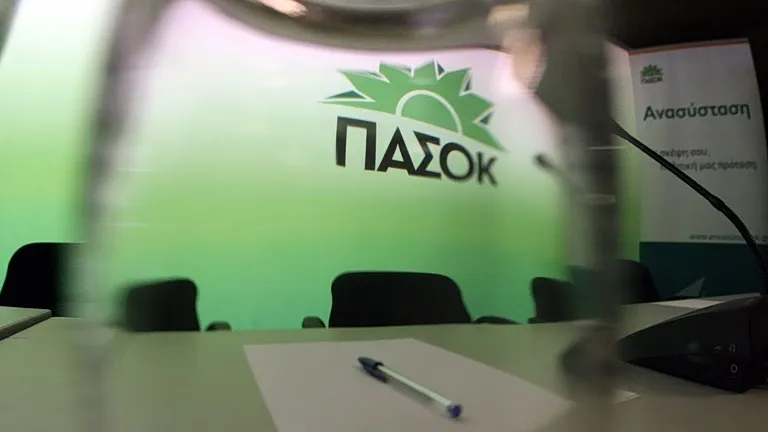
Current indications suggest that a joint electoral path between PASOK and SYRIZA is not currently on the table. Despite the "buzz" created by the meeting in Kolonaki, PASOK leadership has remained firm in its refusal to alter its existing political trajectory. The party's internal consensus is heavily weighted toward maintaining a distinct identity rather than entering into a coalition that might dilute its brand.
Speculation regarding a partnership has been fueled by several factors in the Greek political landscape:
- The return of Alexis Tsipras to active politics.
- The shifting polling numbers of various left-wing factions.
- The perceived need for opposition unity in the face of the current government.
However, these factors have not yet translated into a formal shift in policy for PASOK. The party continues to operate under the mandate of its most recent congress, which emphasized an independent course.
How does Nikos Androulakis view the party's independent path?
Nikos Androulakis, the leader of PASOK, has consistently championed an autonomous political path for the movement. According to party officials, this independence is not merely a preference but a formal decision ratified by the party's members during the last congress. The leadership views this "line" as a necessary component of their identity as the primary opposition force.
The strategy of PASOK is built on the belief that an independent presence allows the party to capture a specific segment of the electorate that seeks alternatives to both the current government and the traditional left. While some party members acknowledge that recent polling data shows progress, they also caution that these figures are not yet sufficient to justify a radical change in the party's established political correlations.
The role of "Official Opposition" in PASOK's strategy
PASOK has invested significant political capital into establishing itself as the "official opposition." This position is central to their long-term electoral strategy. By maintaining a clear distinction from SYRIZA, PASOK aims to present itself as a stable, credible, and independent alternative. The leadership believes that even if the transition to this position has been gradual, the current momentum supports their decision to avoid premature alliances that could jeopardize their standing with centrist voters.
What is the impact of recent polling on PASOK's strategy?
Recent polling trends have provided a boost to the PASOK movement, reinforcing the belief among some party members that their current strategy is yielding results. However, these trends are viewed with a degree of caution by the party's top brass. While the upward trajectory is encouraging, it is not seen as a mandate to abandon the principle of political autonomy.
The political landscape is currently characterized by high volatility. The emergence of new dynamics within the left-wing spectrum, including the movements of the Greek Left Alliance, means that PASOK must navigate a complex field of competitors. The party's strategy is to remain steady, relying on its institutional strength and the clear mandate provided by its congress, rather than reacting impulsively to short-term shifts in public opinion.
Frequently asked questions
Will PASOK and SYRIZA run together in the next elections?
There is currently no evidence of a formal agreement for PASOK and SYRIZA to run together. While the meeting between their spokespersons caused speculation, PASOK leadership has explicitly rejected any change in their electoral strategy, maintaining that the party will follow an independent path as decided by its members.
Who are the spokespersons involved in the Kolonaki meeting?
The meeting involved Kostas Tsoukalas, the spokesperson for PASOK, and Dimitris Melidis, the spokesperson for SYRIZA. The two men are long-time friends and former classmates from the Athens Law School, which explains the personal nature of their meeting in the Deftera area.
What is the official stance of Nikos Androulakis on political alliances?
Nikos Androulakis maintains a stance of political autonomy for PASOK. The party's strategy is to function as an independent opposition force, a direction that was formally approved during the party's last congress to ensure a distinct political identity.
Why did the meeting between the two spokespersons cause a stir?
The meeting caused a stir primarily because of the political timing and the high visibility of the location. In a climate of intense political competition, any interaction between representatives of major opposition parties is scrutinized for potential signs of strategic shifts or new alliances.
Has PASOK's polling performance changed its political direction?
While recent polls indicate positive trends for PASOK, these results have not led to a change in the party's fundamental strategy. The leadership views the polling progress as validation of their current independent approach rather than a reason to seek electoral cooperation with other parties.
Key takeaways
- PASOK maintains a firm commitment to an autonomous political path.
- The meeting between Tsoukalas and Melidis was primarily personal due to a 23-year friendship.
- Nikos Androulakis rejects any immediate shift toward a SYRIZA alliance.
- The party's strategy was formally ratified during its most recent congress.
- Recent polling shows progress but does not dictate a change in strategy.
Conclusion
The recent encounter between PASOK and SYRIZA spokespersons serves as a reminder of the personal connections that exist within the Greek political class, yet it does not signal a fundamental shift in the country's political architecture. PASOK, under the leadership of Nikos Androulakis, remains dedicated to its strategy of independence and its role as a distinct opposition force. While the return of prominent figures like Alexis Tsipras and changing poll numbers create a dynamic environment, the party's focus remains on the autonomous path established by its members, prioritizing long-term identity over short-term tactical alliances.