The historical significance of the three-day festivities
The current celebrations in Thessaloniki represent a convergence of three major historical and religious milestones. The festivities are designed to honor the liberation of the city from Ottoman rule on October 26, 1912, which remains a foundational moment for Northern Greece. This is coupled with the religious celebration of Saint Demetrios, the patron saint of the city.
The primary focus, however, remains the commemoration of October 28, 1940. This date marks the beginning of the Greek resistance during World War II, a moment of national unity and defiance. By grouping these events, the celebrations create a comprehensive tribute to the identity and resilience of the Greek people. The festivities aim to bridge the historical achievements of the early 20th century with the modern sovereignty of the Greek state.
The Thessaloniki military parade and ceremonial schedule
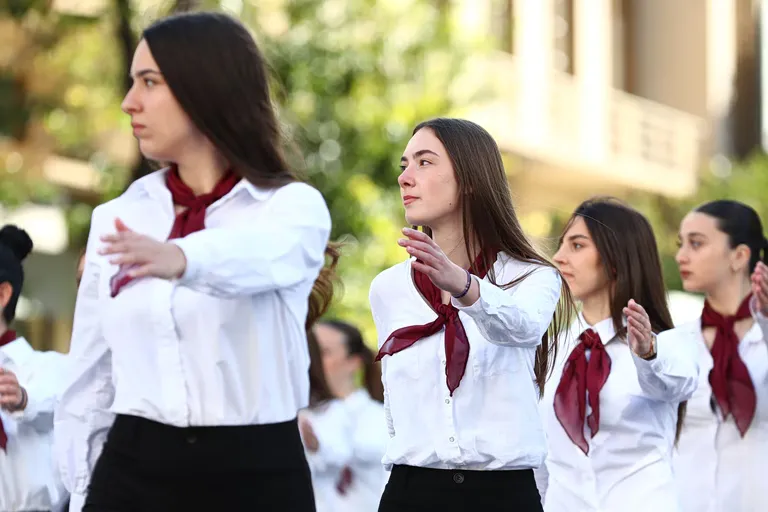
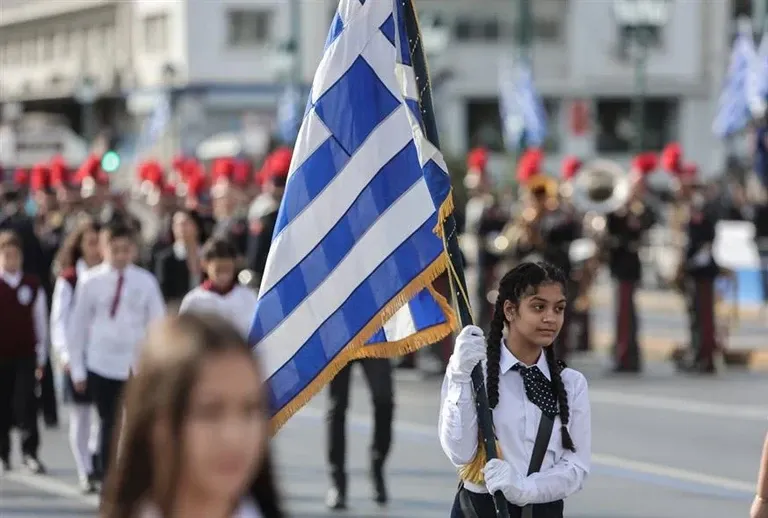
A major military parade on the Leoforos Megalou Alexandrou serves as the highlight of the national holiday. The event follows a strict ceremonial protocol designed to honor both the military and political leadership of the nation. According to the scheduled program, the formal proceedings begin with a solemn wreath-laying ceremony at 10:15, where the President of the Republic will pay respects at the Monument of Superior Military Epirus-Macedonia.
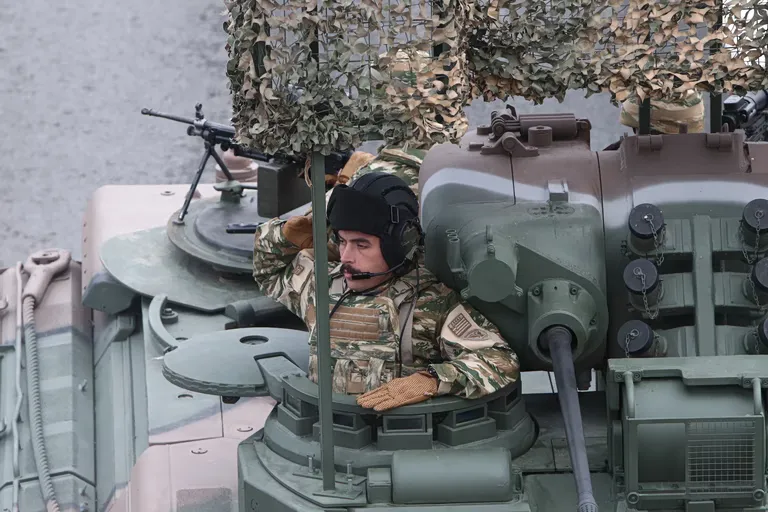
The actual parade is slated to commence at 11:00. A notable change in this year's tradition is the order of the procession; for the first time, military units will lead the parade ahead of the civilian and political delegations. This shift emphasizes the military's role in the historical defense of the nation. The parade is expected to draw significant crowds along the coastal boulevard as citizens gather to witness the display of national strength.
High-level attendance and political presence
The event is attended by a wide array of domestic and international dignitaries. The official viewing stand will host President Konstantinos Tasoulas and Prime Minister Kyriakos Mitsotakis. Political representation is further strengthened by the presence of the leader of the opposition, Nikos Androulakis, alongside the Minister of National Defense, Nikos Dendias.
International cooperation is also on display, evidenced by the attendance of the Cypriot Minister of Defense, Vasilis Palmas. Other notable attendees include the Commissioner for Sustainable Transport and Tourism, Apostolos Tzitzikostas, as well as various party representatives, military leadership, and local government officials. This high level of attendance underscores the diplomatic and social importance of the October 28 anniversary.
Aerial demonstrations by the Zeus aerobatic team
The conclusion of the Thessaloniki parade will feature high-precision aerial maneuvers that provide a spectacular finale to the morning's events. The focus of this display is the "Zeus" aerobatic team, which utilizes F-16 fighter jets to perform complex flight patterns. These demonstrations are intended to showcase the technical skill and readiness of the Hellenic Air Force.
The flight sequences are led by Squadron Leader Christos-Paris Charitos, who serves as the pilot for these precision maneuvers. The use of the F-16s adds a modern, dynamic dimension to the traditional ground parade, ensuring that the celebration appeals to a wide audience through visual spectacle. The aerial display serves as a symbolic closing to the formal military portion of the festivities, transitioning from the disciplined march of troops to the high-speed capabilities of the air force.
Frequently Asked Questions
What is the main purpose of the October 28 celebrations?
The celebrations honor the anniversary of the 1940 Greek resistance and the liberation of Thessaloniki in 1912. It is a period of national reflection that combines religious traditions, such as the feast of Saint Demetrios, with military commemorations to celebrate Greek sovereignty and historical resilience.
How is the Thessaloniki parade structured this year?
This year features a unique structural change where military contingents will precede the political delegations in the parade. The event begins with a wreath-laying ceremony at the Monument of Superior Military Epirus-Macedonia, followed by the main parade on the Megalou Alexandrou coastal boulevard.
Who is performing the aerial displays?
The "Zeus" aerobatic team is responsible for the precision flight demonstrations. Using F-16 fighter jets, the team performs high-accuracy maneuvers to conclude the parade. The flights are led by Squadron Leader Christos-Paris Charitos, providing a high-energy finale to the military ceremony.