Regional cancellations driven by storm forecasts
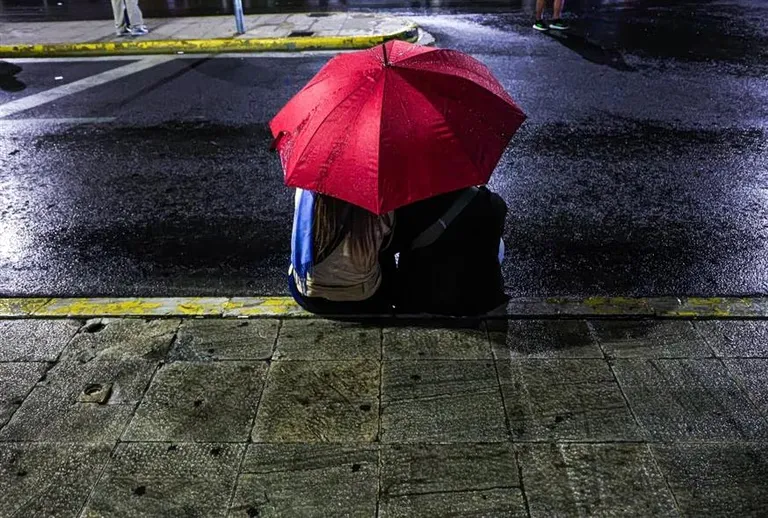
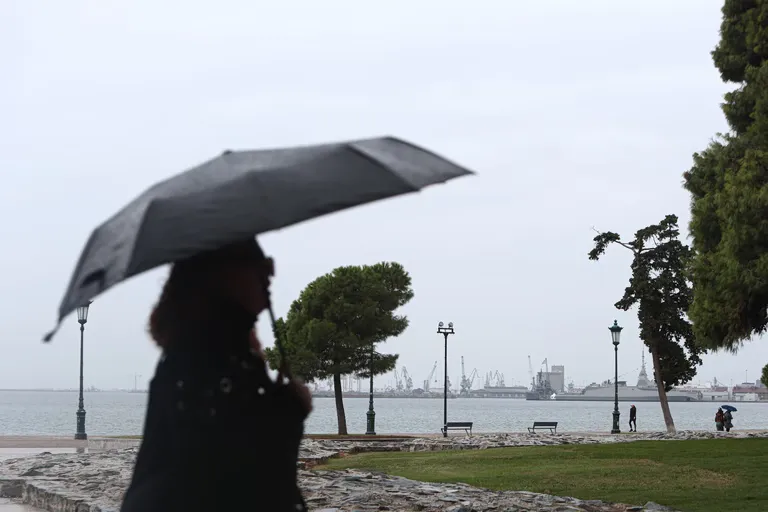
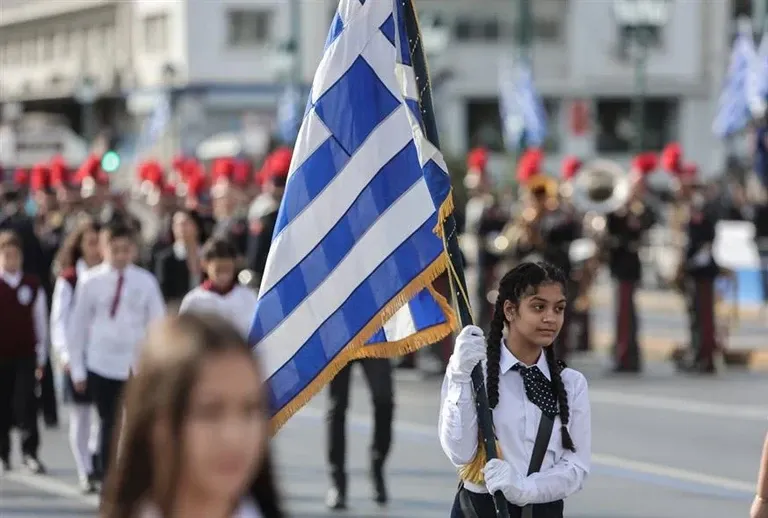
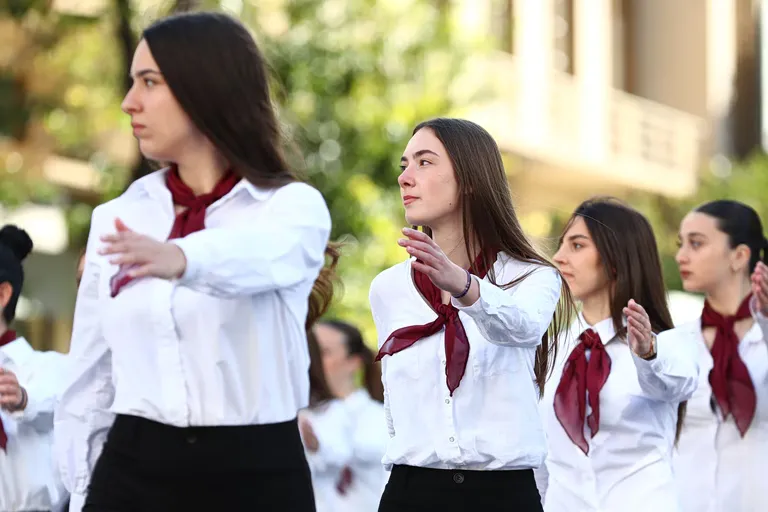
Severe weather patterns are the primary reason student parades cancelled Greece in multiple municipalities this Wednesday. According to local reports on October 28, 2026, meteorologists have predicted intense weather phenomena that pose a direct risk to outdoor gatherings. The scale of the disruption spans from the mainland to several island groups, necessitating immediate intervention by local government officials.
In the Magnesia region and the Northern Sporades, school parades have been officially called off. This decision specifically includes the municipality of Skiathos, where heavy storms are expected to persist through the midday period. The intensity of the forecasted rainfall and wind speeds has made the logistical execution of these commemorative marches unfeasible for school administrations and local organizers.
Safety measures in the Cyclades and Dodecanese
The Cyclades archipelago has seen significant changes to its commemorative schedule due to environmental risks. The Vice Governor of the Cyclades has formally decided to cancel the student portion of the parades. This measure applies not only to schools but also to organized groups, including various associations, clubs, and local organizations that were scheduled to participate in the October 28th festivities.
In the Dodecanese, the situation is even more critical, with all student parades being cancelled for safety reasons. Minas Papadakis, the Coordinator of Civil Protection for the South Aegean Region, announced that the decision was mandatory to prevent accidents during the storm. The islands are currently under a state of high alert, with a red weather warning issued for Wednesday. The heightened risk of flooding is the driving factor behind these emergency measures, as local authorities prepare for significant hydrological impacts.
Impact on Attica and local municipal decisions
Municipal authorities in the Attica region are also reacting to the deteriorating weather conditions. In the Municipality of Agios Dimitrios, local leaders have moved to cancel scheduled parades to protect students and citizens from the adverse weather expected in the capital's outskirts. This decision mirrors the broader trend seen across the country, where meteorological volatility is dictating the rhythm of national holidays.
The widespread nature of these cancellations highlights the increasing influence of extreme weather on public life in Greece. While the October 28th celebrations are a cornerstone of national identity, the priority of civil protection agencies remains the mitigation of risks associated with sudden and violent weather shifts. As the storms continue to sweep across the country, the focus for many municipalities has shifted from celebration to emergency preparedness and flood prevention.
Summary of affected areas and weather risks
The disruption to the national holiday schedule is concentrated in areas facing the highest meteorological threats. The following areas have confirmed the cancellation of student-led marches:
- Magnesia and Northern Sporades: Including Skiathos, due to heavy midday storms.
- Cyclades: Affecting schools, clubs, and organized associations.
- Dodecanese: Full cancellation of student parades under a red weather alert.
- Agios Dimitrios (Attica): Cancellation due to unfavorable local conditions.
The coordination between meteorologists and civil protection officers remains essential in managing these events. By issuing red warnings and high-alert statuses, authorities aim to minimize the potential for injury or property damage caused by the forecasted flooding and intense precipitation.
Frequently Asked Questions
Why were the student parades cancelled in Greece?
The parades were cancelled primarily due to severe weather forecasts and the risk of flooding. Meteorologists predicted intense storms and heavy rainfall, leading civil protection authorities to prioritize the safety of students and participants over the scheduled October 28th commemorative marches in several regions.
Which specific regions are most affected by these cancellations?
The most significant cancellations are occurring in the Dodecanese, the Cyclades, Magnesia, the Northern Sporades, and the Municipality of Agios Dimitrios in Attica. These areas are facing red weather warnings or specific threats from intense storms and potential flooding throughout the day.
Is the cancellation limited only to school students?
In some regions, such as the Cyclades, the cancellation extends beyond just students. The decision covers various organized groups, including local associations, clubs, and other organizations that were intended to participate in the public parade segments of the October 28th celebrations.
Conclusion
The decision to cancel student parades across various Greek regions demonstrates the critical role of civil protection in modern public management. As extreme weather events like the current storms in the Dodecanese and Cyclades become more frequent, authorities must balance cultural traditions with the imperative of public safety. The widespread cancellations in Magnesia and Attica underscore a unified approach to mitigating risks from flooding and severe precipitation. Ultimately, the priority remains the protection of citizens, ensuring that national commemorations do not result in avoidable accidents during volatile meteorological conditions.