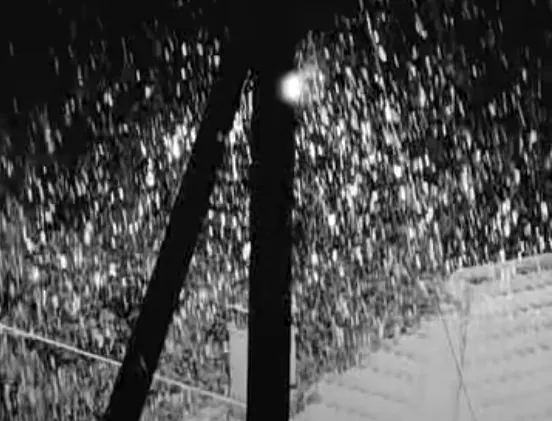
What caused the sudden temperature drop in Phthiotida?
A rapid decline in temperatures, driven by powerful northerly winds and heavy rainfall, triggered the recent weather shift across the Phthiotida prefecture. The transition was particularly sharp in Lamia, where the mercury fell from 17°C at midnight on Monday to just 8.4°C exactly 24 hours later. This sudden cooling was part of a broader pattern of extreme weather moving through the region on October 28, 2026.
In the higher elevations, the cooling effect was even more pronounced. While Lamia experienced a significant drop, mountain areas recorded temperatures approximately 5°C lower than the lowland readings. This thermal collapse facilitated the transition from heavy rain to snow, as the cold air mass moved in to replace the milder autumnal conditions previously experienced in the region.
The role of northerly winds
The meteorological shift was not merely a result of seasonal change but was intensified by reinforced northerly winds. These winds acted as a catalyst, pushing cold air masses into the central Greek mainland and causing the rapid 'plunge' in temperature noted by local observers. The combination of high wind speeds and moisture-heavy air created the volatile conditions necessary for the subsequent thunderstorms and snow.
How is the snowfall affecting mountain villages?
Snowfall in Phthiotida has reached unexpectedly low altitudes, impacting villages located at 900 meters above sea level. While initial forecasts suggested snow would be confined to elevations above 1,200 meters—a prediction supported by early sightings at the Oiti Shelter (1,240m)—the weather moved much lower. By shortly after midnight on Wednesday, October 28, snow began falling in Stagia (Platanos), located in the Spercheiada municipal unit of the Makrakomi municipality.
The current weather pattern in these mountain communities is characterized by a rare combination of heavy snow and active lightning. This dual phenomenon has created challenging conditions for residents and local authorities. The intensity of the snowfall has been described as unrelenting, complicating movement and visibility in the high-altitude terrain of Western Phthiotida.
Why is the weather in Stagia considered a strange phenomenon?
Local community leaders have identified the simultaneous occurrence of snow and lightning as a highly unusual meteorological event for this time of year. Grigoris Papageorgiou, the president of the Stagia community, reported on social media that the intense snowfall accompanied by lightning is a "strange phenomenon" for the dawn of October 28, 2026. This combination suggests a highly unstable atmosphere where convective activity is occurring despite the freezing temperatures.
The coexistence of lightning and snow is often indicative of intense atmospheric instability. In most seasonal transitions, snow is associated with stable, cold air, whereas lightning typically accompanies warmer, more energetic storm systems. The presence of both in the mountains of Phthiotida suggests a collision of air masses that is atypical for late October in the region.
Potential risks to local vegetation
The timing of this weather event poses a specific threat to the local ecosystem. According to Grigoris Papageorgiou, the primary concern if these conditions persist is the damage to tree branches. Because many trees in the region have not yet shed their leaves for the winter, the added weight of the snow, combined with the potential for storm damage, could lead to significant breakage and loss of foliage.
What are the key weather observations for Phthiotida?
The weather patterns observed during the October 28 transition highlight a period of extreme volatility. The following data summarizes the shifts recorded across the prefecture:
The data indicates that the weather front moved from the highest peaks down into the mid-altitude villages with significant speed, catching many residents by surprise. The transition from a mild Monday to a freezing, stormy Wednesday illustrates the unpredictable nature of the current seasonal shift in Greece.
Frequently asked questions
What is the current altitude for snow in Phthiotida?
Snowfall has been confirmed at altitudes as low as 900 meters, specifically in the village of Stagia. While forecasts initially predicted snow only above 1,200 meters, the actual weather conditions surpassed these expectations, bringing snow to much lower mountain communities.
How much did the temperature drop in Lamia?
The temperature in Lamia experienced a sharp decline over a 24-hour period. According to local reports, the mercury was at 17°C at midnight on Monday and fell to 8.4°C by the following midnight, representing a significant drop of 8.6 degrees.
Is the lightning associated with the snow?
Yes, residents in the mountain villages of Western Phthiotida have reported that the ongoing snowfall is being accompanied by lightning. This combination of heavy snow and electrical activity is considered an unusual and strange phenomenon by local community leaders.
What impact will this have on trees and plants?
The primary concern for the local environment is the weight of the snow on trees that have not yet dropped their leaves. Local officials warn that if the heavy snowfall continues, the branches of these trees may break under the pressure.
Where was the first snow confirmed?
Initial snowfall was confirmed at the Oiti Shelter, which is situated at an altitude of 1,240 meters. This sighting aligned with the original meteorological forecasts before the snow moved down to lower elevations like Stagia.
Key takeaways
- Temperatures in Lamia dropped from 17°C to 8.4°C within 24 hours.
- Snowfall reached 900 meters in Stagia, lower than the 1,200m forecast.
- Heavy snow is being accompanied by lightning in mountain villages.
- Undropped leaves on trees pose a risk of branch breakage from snow weight.
The evolving weather landscape in Central Greece
The recent weather events in Phthiotida underscore the increasing volatility of seasonal transitions in the Greek mountains. The rapid descent of temperatures and the unexpected arrival of snow at lower altitudes demonstrate how quickly atmospheric shifts can disrupt local environments. While the immediate concern remains the safety of mountain residents and the protection of local vegetation, the occurrence of lightning alongside snow serves as a reminder of the complex meteorological dynamics currently at play in the region. Monitoring these patterns remains essential for local communities facing these sudden climatic changes.
| Location | Altitude (m) | Observed Conditions | Temperature Note |
|---|---|---|---|
| Lamia | Lowland | Heavy rain/Wind | Dropped from 17°C to 8.4°C |
| Oiti Shelter | 1,240m | Snowfall | Confirmed early snow |
| Stagia (Platanos) | 900m | Snow and Lightning | Unexpectedly low altitude |