Tsapras Set for Three-Week Absence After Injury Diagnosis
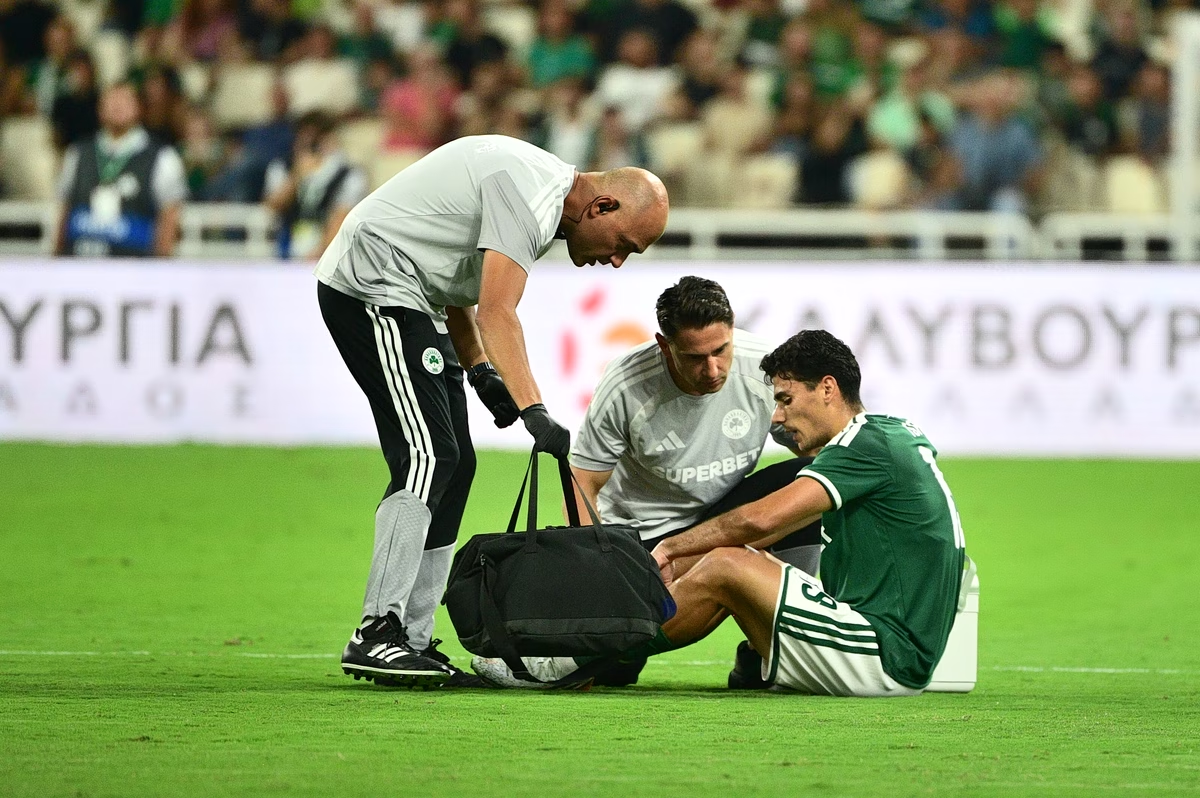
Greek football club Panathinaikos has confirmed that midfielder Triantafyllos Tsapras will be unavailable for selection for roughly 20 days following a medical assessment that revealed a first-degree muscle strain. The injury, while not considered severe in a long-term context, will nonetheless keep the player on the sidelines during what is typically a demanding and competitive period in the football calendar.
A first-degree muscle strain, often referred to as a mild strain, involves the overstretching or minor tearing of muscle fibers without a complete rupture. While athletes with this type of injury generally recover more quickly than those with higher-grade strains, a period of rest, physiotherapy, and gradual rehabilitation is still required before a return to full training and competitive play can be safely authorized by medical staff.
Impact on Panathinaikos Squad
The absence of Tsapras presents a challenge for the Panathinaikos coaching staff, who will need to adapt their tactical planning and rotation strategies to compensate for the missing player over the coming weeks. Depending on the schedule of upcoming fixtures, the 20-day layoff could mean Tsapras misses several important matches for the Athens-based club.
Panathinaikos, one of Greece's most storied and successful football clubs, competes at the highest level of domestic football and has historically maintained ambitions in European competition as well. Injuries to key squad members during critical stretches of the season can have significant consequences on a team's performance and standings, making the club's depth and adaptability all the more important during this period.
The club has not yet issued a detailed statement regarding which specific matches Tsapras is expected to miss, nor have they indicated whether any emergency measures — such as adjusting transfer activity or reshuffling existing squad roles — are being considered in light of his unavailability.
Rehabilitation and Recovery Timeline
Medical teams at professional football clubs typically oversee a structured recovery process for muscle strain injuries. In the case of a first-degree strain, the initial phase generally involves reducing inflammation and managing pain through rest and physiotherapy. This is followed by a progressive return to physical conditioning, starting with low-intensity exercises and gradually building up to training sessions that replicate match conditions.
The 20-day estimate provided by the club reflects the standard recovery window for this type of injury, though timelines can vary depending on how the player's body responds to treatment, his overall physical condition, and the specific location of the strain within the muscle group. Medical staff will continue to monitor Tsapras closely throughout the rehabilitation period to ensure he does not return to action prematurely, which could risk aggravating the injury or causing additional damage.
Return to Play Considerations
Returning to competitive football after a muscle strain requires careful management. Even once a player is cleared to train, coaches and medical personnel typically proceed cautiously to avoid a setback. Tsapras will likely undergo fitness tests and participate in controlled training sessions before being deemed ready for first-team selection.
The psychological aspect of injury recovery is also worth noting. Players who experience muscle strains, even mild ones, sometimes face mental hurdles when returning to full-intensity play, particularly when it comes to explosive movements or situations where the previously injured area is put under significant stress. Support from sports psychologists and the club's wider medical team can play an important role in facilitating a confident and complete return.
Broader Context for the Club
Panathinaikos has long been a central figure in Greek football, with a passionate supporter base and a tradition of competing for domestic titles as well as representing the country in UEFA competitions. Managing player fitness and availability is a constant priority for the club's technical and medical departments, particularly as the demands of modern football place increasing physical strain on athletes throughout the course of a season.
Squad depth becomes especially crucial when injuries arise, and clubs with greater resources and roster breadth are generally better positioned to absorb the temporary loss of individual players without a significant drop in performance. How Panathinaikos navigates the next three weeks without Tsapras will be closely watched by fans and analysts alike.
The club has not announced any further injury concerns within the squad at this time, and all other players are reported to be available for selection pending normal fitness assessments ahead of upcoming fixtures.
What This Means Going Forward
With a 20-day recovery window in place, Tsapras could realistically return to the squad in mid-to-late September, assuming his rehabilitation progresses without complications. His return would be a welcome boost for Panathinaikos as they continue their campaign and look to maintain a competitive position in their respective competitions.
Fans of the club will be hoping the injury does not linger beyond the initial prognosis and that Tsapras can return to full fitness as quickly and safely as possible. In the meantime, his teammates and coaching staff will be expected to step up and fill the void left by his absence during this short but potentially significant stretch of the season.
Updates on Tsapras's condition and recovery progress are expected to be shared by the club through official channels as they become available.