What is the difference between Quiche Lorraine and Quiche Florentine?
The primary distinction between these two French classics lies in the choice of core ingredients used to flavor the custard. While Quiche Lorraine is traditionally characterized by its use of lardons or bacon, Quiche Florentine shifts the focus toward a vegetarian profile centered on leafy greens.
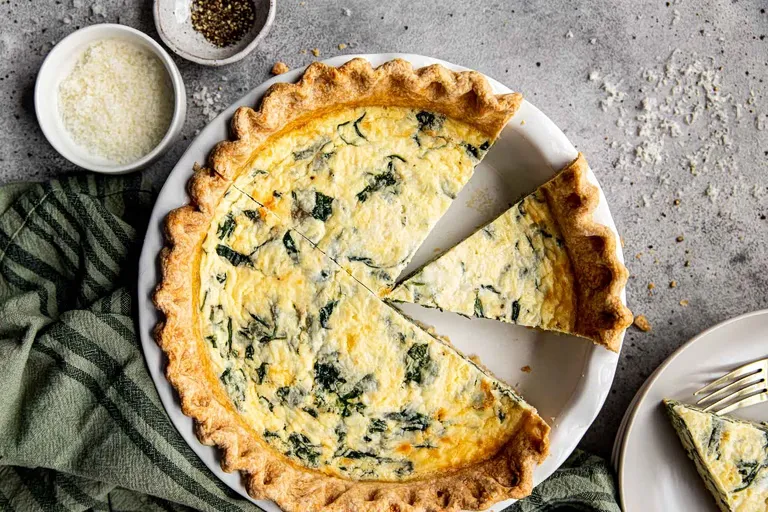
Quiche Florentine is defined by its use of spinach, often supplemented with other tender seasonal greens. The texture remains creamy due to the custard base, which typically consists of eggs and milk or cream, but the savory notes come from the vegetables and cheese rather than cured meats. This makes the Florentine version a lighter, more vegetable-forward option that highlights the freshness of the greens used in the filling.
The role of greens in the custard
In a Florentine-style tart, the greens are not merely a garnish; they are the structural heart of the filling. Using a variety of greens, such as spinach and wild herbs, adds layers of complexity to the flavor profile that meat-based versions lack. The moisture content of these greens is the most critical factor in determining whether the final tart is firm or soggy.
What ingredients are needed for this savory vegetable tart?
Preparing an authentic Quiche Florentine requires a balance of fresh produce, dairy, and aromatics to create a cohesive flavor. The recipe relies on high-quality, simple components that work together to form a rich custard.
To recreate this dish, you will need the following items:
- Pastry: 1 sheet of tart pastry.
- Vegetables: 300g fresh spinach, 150g wild greens (such as chard or similar tender varieties), and 1 small leek, finely chopped.
- Dairy and Eggs: 200ml low-fat milk, 100g cottage cheese, and 60g grated Graviera or Parmesan cheese.
- Aromatics and Seasoning: 1 tablespoon olive oil, 1 clove of garlic, 1/2 teaspoon nutmeg, salt, and pepper.
The combination of cottage cheese and grated hard cheese provides both a creamy texture and a sharp, savory finish that complements the earthiness of the spinach and wild greens.
How do you prepare the vegetable filling?
The preparation of the greens is the most labor-intensive part of the process and dictates the success of the tart's internal structure. It is essential to sauté the vegetables correctly to develop flavor before integrating them into the custard.
Begin by heating one tablespoon of olive oil in a large pan. Sauté the finely chopped leek and the garlic clove for approximately 2 to 3 minutes until they become fragrant and soft. Once the aromatics are ready, add the spinach, wild greens, and any other tender herbs to the pan. Cook the mixture until the greens have completely wilted. This step is crucial as it reduces the initial volume of the vegetables and concentrates their flavor.
The essential step: Removing excess moisture
After the vegetables have wilted, they must be allowed to cool slightly. Once cooled, you must squeeze the greens very thoroughly. This process is vital because vegetables like spinach and chard hold a significant amount of water. If this liquid is not pressed out manually, it will leach into the custard during the baking process, resulting in a watery, unappealing filling rather than a set, creamy slice.
What is the step-by-step cooking process?
The cooking process is divided into two main stages: blind baking the pastry and setting the custard. Following these steps in order ensures that the crust remains crisp and the filling reaches the correct consistency.
First, prepare the pastry base by spreading the tart dough into a tart tin. Use a fork to prick small holes across the bottom of the dough; this prevents air bubbles from lifting the crust. Place the tin in a preheated oven at 180°C and bake for approximately 10 minutes. This "blind baking" ensures the base is partially cooked before the wet filling is added.
While the pastry is baking, prepare the custard. In a mixing bowl, whisk together the eggs, milk, cottage cheese, half of the grated cheese, nutmeg, salt, and pepper. Once the custard is smooth, fold in the well-drained sautéed greens. Pour this mixture into the pre-baked pastry shell and sprinkle the remaining cheese over the top.
Finally, bake the Quiche Florentine at 180°C for 35 to 40 minutes. The tart is finished when the custard has fully stabilized and the surface has achieved a beautiful golden-brown color. For the best results, allow the tart to rest for 10 to 15 minutes before slicing. This resting period allows the internal structure to set completely.
Frequently asked questions
Can I use different types of cheese for this recipe?
Yes, you can substitute the Graviera or Parmesan with other hard or semi-hard cheeses. Pecorino or even a sharp Gruyère work well. The goal is to use a cheese that provides a savory, salty punch to balance the mildness of the milk and eggs.
Why is my quiche filling too watery?
A watery filling is almost always caused by excess moisture in the vegetables. To prevent this, you must squeeze the sautéed greens extremely well after they have cooled. Any residual liquid in the spinach will turn into steam and dilute the custard during baking.
Do I have to blind bake the pastry?
While not strictly mandatory, blind baking is highly recommended for this savory vegetable tart recipe. It creates a barrier that prevents the liquid custard from making the bottom crust soggy, ensuring a crisp texture that contrasts with the creamy filling.
Can I make this recipe vegan?
To make a vegan version, you would need to replace the eggs with a plant-based custard substitute, use plant-based milk, and swap the cheeses for vegan alternatives. However, the traditional Quiche Florentine relies heavily on the protein structure of eggs for its stability.
What are the best side dishes for a savory tart?
A light green salad with a vinaigrette is the classic accompaniment. The acidity of the dressing helps cut through the richness of the egg and cheese custard, providing a refreshing balance to the meal.
Key takeaways
- Quiche Florentine is a French savory tart characterized by spinach and wild greens.
- Squeezing moisture out of sautéed greens is critical to prevent a watery filling.
- Blind baking the pastry at 180°C for 10 minutes ensures a crisp crust.
- The custard requires eggs, milk, cottage cheese, and nutmeg for authentic flavor.
- A 10 to 15-minute resting period is necessary before slicing the tart.
Conclusion
Mastering the savory vegetable tart recipe requires attention to detail, particularly regarding moisture management and temperature control. By transitioning from a traditional meat-based Quiche Lorraine to the vegetable-centric Quiche Florentine, you create a dish that is both sophisticated and versatile. The combination of tender greens, aromatic leeks, and a rich, nutmeg-spiced custard offers a culinary experience that celebrates fresh ingredients. Whether served as a centerpiece for brunch or a light lunch, a properly executed quiche—with its golden crust and stable, creamy center—remains a timeless staple of French-inspired cooking.