The essence of a traditional Gigantes recipe
A truly authentic Gigantes recipe relies on the quality of the beans and the patience of the cook. Often described as a 'mother's recipe,' this dish is a beloved classic that can sometimes be underestimated due to its simplicity. However, the complexity lies in the layering of flavors through slow baking.
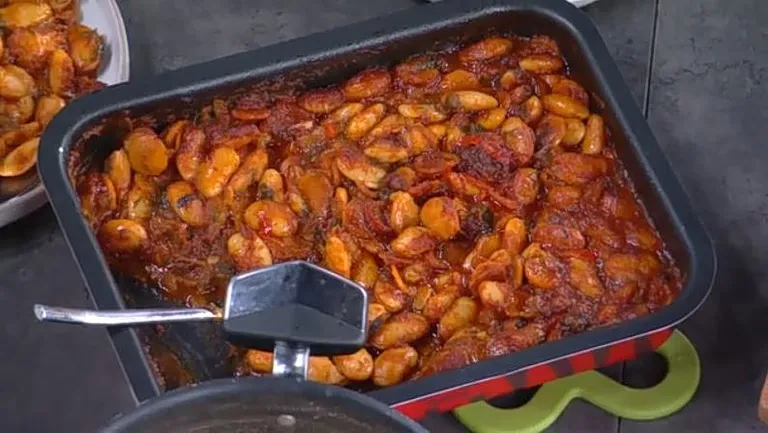
The method featured by chef Argyros Barbariogou on the MEGA program "Chamilá kai pali!" emphasizes a rustic, hearty approach. The goal is to achieve beans that are tender enough to melt in the mouth while being enveloped in a thick, flavorful tomato-based sauce. To succeed, one must respect the two-stage process: the initial softening of the beans and the subsequent slow roasting in the oven.
Key flavor components
The richness of the dish comes from a combination of aromatics and high-quality fats. Using extra virgin olive oil is non-negotiable for that signature Mediterranean mouthfeel. Additionally, the inclusion of sweet peppers, such as the renowned Florina pepper, adds a subtle sweetness that complements the acidity of the tomatoes and the depth of the tomato paste.
Essential ingredients for perfect giant beans
Preparation begins with selecting the right components to create a harmonious flavor profile. While the recipe is forgiving, using fresh herbs and specific vegetables will elevate the dish from a simple legume meal to a gourmet experience.
- The Beans: 500g of giant beans (Gigantes).
- Aromatics: 2 dried onions (thinly sliced), 3 cloves of garlic (sliced), 2 stalks of finely chopped celery, and 1 finely chopped carrot.
- The Sauce Base: 500g of fresh tomatoes and 2 tablespoons of tomato paste.
- Vegetables & Seasoning: 1 Florina pepper (cut into small squares), 1 tablespoon of sweet paprika, salt, and freshly ground pepper.
- Herbs & Oil: 1/2 bunch of parsley, a little dill, and 1/4 cup of olive oil.
Each ingredient plays a structural role. The celery and carrot provide a foundational sweetness, while the garlic and onion create the aromatic backbone. The combination of fresh tomatoes and concentrated paste ensures a sauce that is both bright and deeply savory.
Step-by-step preparation and soaking techniques
The most critical phase of any Gigantes recipe is the preparation of the beans the night before. If the beans are dried, they require a long soak to rehydrate and soften properly.
To prepare the beans, soak them in a large bowl of water mixed with a bit of baking soda overnight. This helps break down the tough skins. If you are using pre-boiled beans, you can skip the soda and simply soak them in plain water. The following day, rinse the beans thoroughly under cold water. Place them in a pot with fresh cold water and boil them for approximately 40 minutes, making sure to skim off any foam that rises to the surface. This ensures a clean, clear flavor in the final sauce.
Managing the cooking process
Once the beans are drained, they are ready for the oven. Transfer them to a baking tray, ideally a rectangular one measuring roughly 37x25 cm or a round tray of 35 cm. Combine the beans with the sliced garlic, celery, and carrot, and sauté these aromatics for an additional 2-3 minutes to release their oils before the long bake.
Professional baking tips for optimal texture
Baking is where the magic happens, transforming individual ingredients into a cohesive, luscious dish. The temperature and environment of your oven will dictate whether the beans are creamy or dry.
Preheat your oven to 200°C. Place the tray in the oven and bake for about 45 minutes. The objective is to cook them until they are beautifully coated in their own oil and the sauce has thickened. If you are using a convection (fan) oven, it is vital to adjust your technique to prevent the beans from drying out.
Using convection and foil
When using a fan oven, place the tray on the middle rack and reduce the temperature slightly. A crucial tip is to cover the tray with aluminum foil during the baking process. This prevents the exterior of the beans from drying out and hardening before the interior has reached that desired creamy, 'melt-in-the-mouth' consistency. This controlled environment allows the heat to penetrate deeply, ensuring every bean is cooked through perfectly.
Frequently Asked Questions
Can I use canned giant beans for this recipe?
Yes, you can use canned beans to save time. If using canned beans, you can skip the overnight soak and the initial 40-minute boiling process. However, ensure you rinse them well and still follow the sautéing and baking steps to build the necessary flavor depth.
Why should I add baking soda to the soaking water?
Adding a small amount of baking soda to the soaking water helps to soften the tough outer skins of the dried beans. This ensures that they cook more evenly and achieve a much creamier texture during the final baking stage in the oven.
What is the best way to prevent the beans from drying out?
The best method is to cover your baking tray with aluminum foil. This traps the moisture inside the tray, creating a mini-steaming effect that allows the beans to soften completely without the surface becoming hard or leathery due to the oven's heat.
Final thoughts on mastering Gigantes
Mastering this Gigantes recipe is about embracing the slow food philosophy. By prioritizing the soaking process and using the right combination of aromatics like Florina peppers and fresh herbs, you can recreate a taste of Greece in your own kitchen. Whether you are serving this as a main vegetarian course or a side dish, the key remains the same: patience, high-quality olive oil, and careful temperature control. With these professional tips, your giant beans will consistently achieve the perfect, creamy texture that makes this dish a Mediterranean legend.