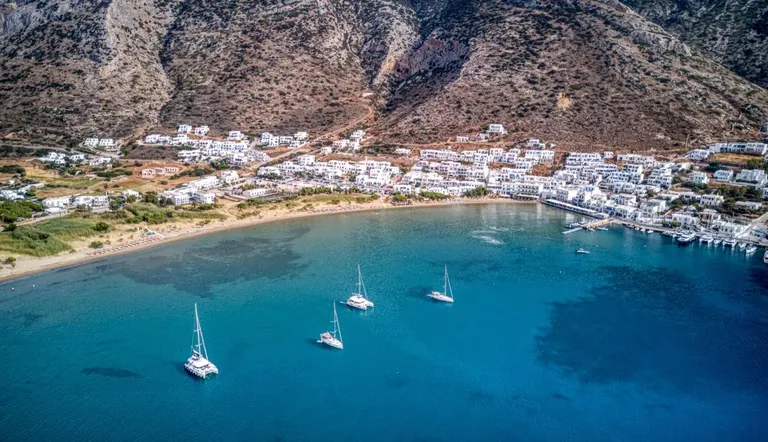
Sifnos island has been highlighted as a premier destination in a comprehensive ten-page feature by the popular Swedish travel publication Vagabond. Titled "Greece in its Authentic Form," the feature portrays the island as a sanctuary of harmony, focusing on its natural landscapes, culinary traditions, and traditional settlements. According to the Municipality of Sifnos, the magazine identifies the island as one of Greece's most beautiful locations, easily accessible by ferry from Athens. This international coverage emphasizes Sifnos's ability to offer meaningful travel experiences away from mass tourism. This article explores the details of the Vagabond feature, the island's unique cultural assets, and its strategic tourism development.
Why is Sifnos island gaining international attention?
Sifnos island is receiving significant recognition in Northern Europe following an extensive editorial feature in the Swedish travel magazine Vagabond. The publication dedicates ten pages to exploring the island's identity, framing it as a quintessential example of "Greece in its authentic form." This coverage follows a planned journalistic visit organized by the Municipality of Sifnos to enhance the island's visibility in international markets.
The editorial focus highlights the island as a destination for travelers seeking depth rather than just sun and sea. By showcasing the island's unique character, Vagabond positions Sifnos as a standout location within the Cyclades archipelago. The magazine notes that visitors are drawn to the island for its tranquility, natural beauty, and high-quality hospitality, making it an ideal alternative to the more crowded Greek islands.
Strategic International Promotion
The inclusion of Sifnos in a respected medium like Vagabond is part of a deliberate communication strategy. According to Giannis Rafelatos, the Deputy Mayor of Tourism for the Municipality of Sifnos, the goal is to attract visitors who desire a substantive connection with the places they visit. The municipality aims to promote a tourism model that respects and preserves the island's identity while leveraging its cultural and natural strengths.
What makes the natural landscape of Sifnos so unique?
The natural environment and outdoor activities serve as a central pillar of the Vagabond feature. The magazine emphasizes the island's connection to nature, particularly through its extensive network of hiking trails. With more than 100 kilometers of marked paths stretching across mountains and along the coastline, Sifnos is presented as a premier destination for nature enthusiasts and hikers.
One specific route highlighted by the journalist is the trail between Apollonia and Kamares. This path offers a sensory journey through terraced agricultural landscapes, olive groves, and blooming scenery, all set against the backdrop of the Aegean Sea. Beyond the hiking, the magazine points to specific locations like Kastro, known for its narrow cobblestone streets and whitewashed houses, and Cheronissos at the northern tip of the island, which offers quieter, less crowded corners for exploration.
How does gastronomy define the Sifnos experience?
Gastronomy is presented as an inseparable element of the island's identity and a primary driver for tourism. The Vagabond feature places significant emphasis on the local culinary traditions that connect the island's food to its daily heritage. The magazine specifically mentions traditional dishes that reflect the slow-paced, authentic lifestyle of the inhabitants.
Key culinary highlights mentioned in the feature include:
- Revithada: A signature local dish, traditionally slow-cooked in a wood-fired oven throughout the night.
- Mastelo: A traditional meat dish that showcases the island's rich flavors.
- Local Produce: The use of high-quality, indigenous ingredients that define the regional palate.
The article also pays homage to the island's historical contribution to Greek cuisine by referencing the renowned Sifnian chef Nikolaos Tselelementes, whose work has had a lasting impact on national culinary traditions. This emphasis on food transforms the dining experience into a cultural encounter, where local tavernas and traditional cooking methods serve as bridges to the island's past.
The Role of Artisanal Traditions
Beyond food, the island's cultural fabric is enriched by its long-standing artisanal traditions. The Vagabond feature highlights the tradition of pottery, noting that ceramic workshops continue to operate actively on the island. These workshops are not merely historical relics but living spaces that welcome visitors, allowing them to witness the intersection of traditional craftsmanship and modern tourism.
What is the impact of Sifnos's tourism model?
Sifnos island follows a model of mild and sustainable tourism development, which is a key theme in the Vagabond coverage. Unlike many destinations in the Cyclades that face challenges from mass tourism, Sifnos has maintained a focus on smaller-scale, often family-run accommodations. This approach helps preserve the island's unique physiognomy and prevents the erosion of its traditional character.
The magazine notes a conscious effort by the local population to protect their environment and way of life. This commitment to authenticity is reflected in the hospitality offered by residents, who provide a sense of genuine human connection. The tourism strategy, as articulated by local authorities, focuses on:
- Promoting high-quality tourism services that respect local identity.
- Encouraging seasonal travel to avoid the pressures of peak summer months.
- Supporting local businesses, from ceramicists to family-owned hotels.
By prioritizing quality over quantity, Sifnos aims to remain a destination for those seeking an authentic Greek experience, ensuring that its natural and cultural assets remain intact for future generations.
FAQ: Sifnos island tourism
How can I reach Sifnos from Athens?
Sifnos is easily accessible from Athens via ferry. The island is located within a relatively short distance from the capital, making it a convenient destination for travelers looking to explore the Cyclades without excessive travel time.
What is the best way to explore the island's nature?
Hiking is one of the most highly recommended activities on Sifnos. The island features over 100 kilometers of marked trails that traverse both mountainous terrain and coastal areas, providing diverse scenery for outdoor enthusiasts.
What are the must-try local dishes in Sifnos?
You should try Revithada, a traditional chickpea dish cooked slowly in wood-fired ovens, and Mastelo, a local specialty. These dishes are central to the island's culinary identity and are widely available in local tavernas.
Is Sifnos suitable for mass tourism?
Sifnos is generally characterized by mild tourism development. It is better suited for travelers seeking tranquility and authenticity rather than large-scale resorts, as the island focuses on smaller, often family-run accommodations.
What cultural activities can I find on the island?
Visitors can explore traditional pottery workshops, visit historic villages like Kastro, and experience local religious festivals. The island's rich history is also reflected in its numerous churches and traditional architectural styles.
Key takeaways
- Sifnos was featured in a ten-page spread in Sweden's Vagabond magazine.
- The island offers over 100 kilometers of marked hiking trails for nature lovers.
- Traditional gastronomy, including Revithada, is a core part of the island's identity.
- Sifnos focuses on a sustainable tourism model with small, family-run accommodations.
- The island is recognized for its authentic pottery and traditional ceramic workshops.
Conclusion
The international recognition of Sifnos in Vagabond magazine underscores the growing global demand for authentic, sustainable travel experiences. By highlighting its unique blend of natural beauty, culinary heritage, and traditional craftsmanship, the feature positions Sifnos as a premier destination for discerning travelers. The island's commitment to a tourism model that respects its local identity and environmental integrity ensures its long-term appeal. As Sifnos continues to promote its cultural and natural assets on the world stage, it remains a vital example of how traditional Greek island life can thrive in a modern, globalized tourism market.