What can dog eye language reveal about their emotions?
A dog's eyes act as a primary medium for communication, offering a window into their internal state, ranging from deep relaxation to acute anxiety. However, interpreting these signals requires a holistic approach to canine observation. Positive dog trainer Athina Perivola emphasizes that a single glance is rarely sufficient for a complete diagnosis of a dog's mood.
To accurately understand a dog, owners must look beyond the eyes and integrate several physiological markers. These include:
- Body Posture: Is the dog leaning in or pulling away?
- Ear Position: Are the ears relaxed, upright, or pinned back?
- Mouth Tension: Is the mouth soft and open, or tightly clamped shut?
- Environmental Context: What is happening in the immediate surroundings?
By combining these elements, pet owners can move from mere guessing to meaningful communication, recognizing when a dog is truly comfortable and when it requires space or intervention.
How do you recognize a relaxed and comfortable gaze?
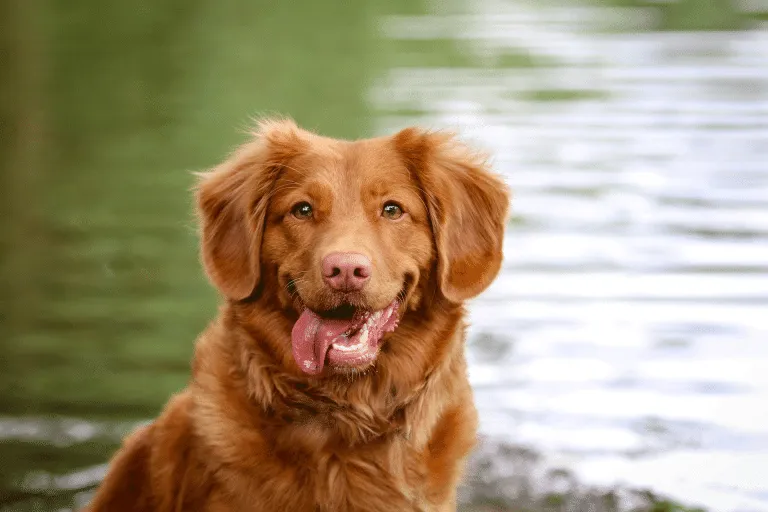
A soft, relaxed gaze is one of the clearest indicators that a dog feels safe in your presence. When a dog looks at you with loose muscles around the eyes and no overall bodily tension, it is likely experiencing a state of contentment.
These moments of calm often occur during low-intensity activities, such as sitting together on a sofa or simply sharing a room. In these instances, the dog is not necessarily asking for something; rather, they are enjoying the companionship. Perivola suggests that during these peaceful intervals, there is no need to demand commands or initiate play. Sometimes, the best way to support this bond is to simply exist in the same space, allowing the dog the freedom to approach you whenever they choose.
The importance of passive companionship
Passive companionship refers to the act of being present with your pet without active engagement. This builds trust because it demonstrates that your presence is not always a precursor to demands or high-energy interaction. When a dog chooses to maintain a soft gaze while resting near you, they are communicating a high level of social security.
Why does a dog avoid eye contact?
Avoiding eye contact is frequently misinterpreted by owners as indifference or ignoring a command, but in canine linguistics, it often serves a much more complex purpose. When a dog turns its head away, it is rarely an act of defiance; instead, it is often a strategic social maneuver.
There are several reasons why a dog might look away:
- Task Focus: The dog is simply preoccupied with a scent or a sound in the environment.
- Uncertainty: The dog is feeling hesitant about a specific interaction.
- De-escalation: The dog is attempting to reduce tension in a high-pressure situation.
If an owner approaches a dog from above, scolds them, or maintains an intense, unblinking stare, the dog may turn its head to signal a desire to lower the intensity of the encounter. In such cases, Perivola advises against forcing eye contact. Instead, owners should relax their posture and grant the dog physical and psychological space, allowing the animal to decide when it is safe to re-engage.
What is 'whale eye' and why is it a warning sign?
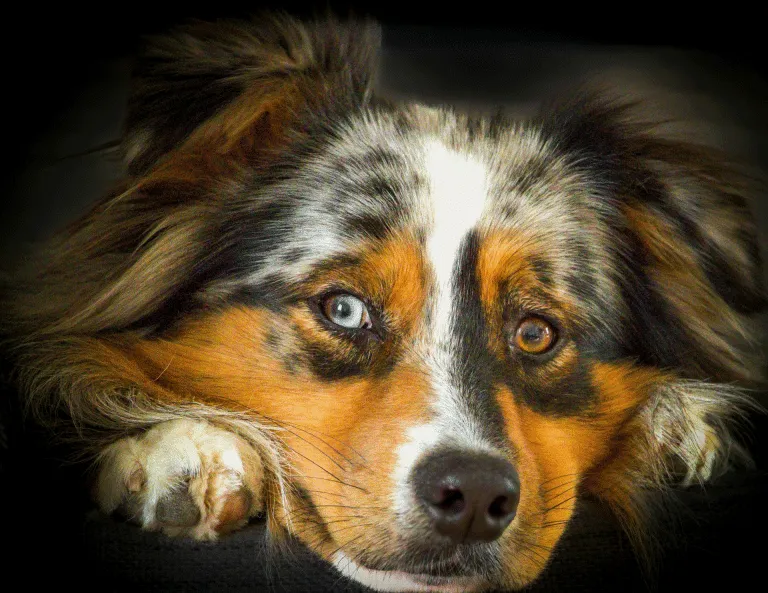
The appearance of the white part of a dog's eye, often referred to as "whale eye," is a significant physiological signal that requires immediate attention. This occurs when a dog turns its head in one direction while its eyes remain fixed in another, causing the sclera (the white area) to become highly visible.
Whale eye is a common indicator of anxiety, discomfort, or heightened tension. It often manifests in specific stressful scenarios, such as:
- When a person or another animal approaches too closely.
- When an owner attempts to take an object away from the dog.
- When the dog feels cornered or lacks a clear path for retreat.
While whale eye does not always guarantee an aggressive reaction, it serves as a vital warning that the dog is feeling pressured. To assess the severity, owners should look for accompanying signs: a stiffened body, ears pulled back, or a tightly closed, tense mouth. If these signs are present, the best course of action is to stop the current activity and immediately reduce the pressure on the dog.
How should you interpret a persistent or intense stare?
A persistent gaze can be either a request for engagement or a sign of mounting distress, depending entirely on the dog's overall physical state. Distinguishing between these two requires careful observation of the dog's muscle tension and stillness.
On one hand, a dog with a relaxed body that stares intently at its owner may be communicating a specific need. This is often a learned behavior where the dog knows that eye contact leads to a reward, such as food, a walk, or the start of a play session. In this context, the stare is functional and positive.
On the other hand, if a persistent stare is accompanied by physical rigidity, a frozen body, a closed mouth, and visible tension, the meaning shifts drastically. In these instances, the stare may indicate discomfort or even a threatening disposition, particularly if the dog feels its personal space or a prized possession is being encroached upon. Owners should avoid returning an intense, prolonged stare if the dog already appears stressed, as this can escalate the tension.
Do dilated pupils always indicate fear?
While pupil dilation is a key component of canine visual communication, it is not a standalone indicator of fear or stress. The size of a dog's pupils can change due to various environmental and emotional factors, making it a nuanced signal to decode.
Pupil dilation can be caused by:
- Low light conditions: A natural physiological response to increase light intake.
- Excitement: A surge of adrenaline during play or anticipation.
- High alertness: Intense focus on a stimulus.
- Stress or fear: A response to a perceived threat.
To differentiate between excitement and distress, look at the dog's overall behavior. A dog with wide eyes and dilated pupils that is wiggling, playing, and maintaining a loose posture is likely just excited. Conversely, if the dog has wide eyes but is panting excessively (without having exercised), moving nervously, or struggling to settle down, they are likely experiencing significant stress. As Perivola notes, the key is to evaluate the totality of the signs rather than relying on a single physical trait.
How do movements following a gaze reveal intentions?
The communication process does not end with a look; the physical movements that follow a gaze provide the final context needed to understand a dog's intentions. By observing the sequence of actions, owners can predict whether a dog is seeking interaction or requesting distance.
Many dogs use a "look and move" strategy to initiate social contact. For example, a dog might make eye contact and then immediately move toward the owner, signaling a desire for affection or play. However, a gaze can also be a precursor to avoidance. A dog might look at an approaching person and then immediately turn its body away or move to a different area, signaling that it does not wish to interact. Understanding these patterns allows owners to respond appropriately, fostering a relationship built on mutual respect and clear communication.
Frequently asked questions
Can eye contact be seen as a threat to my dog?
Yes, prolonged and intense eye contact can be perceived as a challenge or a threat by a dog, especially if they are already feeling insecure. To avoid causing stress, it is better to use soft gazes and avoid staring directly at them if they show signs of tension.
What should I do if my dog shows 'whale eye'?
If you notice whale eye, you should immediately stop whatever you are doing and give your dog more space. This signal indicates they are feeling pressured or uncomfortable, and providing them with an exit route or distance helps de-escalate the situation and prevent potential aggression.
Does a wagging tail always mean a happy dog?
Not necessarily. While often a sign of happiness, tail movement should be viewed alongside eye and body language. A stiff, fast-wagging tail combined with a tense body and intense gaze can actually be a sign of agitation or readiness to react, rather than joy.
How can I tell if my dog is just excited or actually stressed?
Look at the overall body language. An excited dog will typically have a loose, wiggly body and a playful demeanor. A stressed dog may show dilated pupils alongside panting, lip licking, or a rigid, frozen posture, even if they are not currently exercising.
Why does my dog look away when I call them?
Looking away is often a way for a dog to manage social intensity or signal that they are focused on something else. It is frequently a sign of de-escalation or simply preoccupation, rather than a deliberate attempt to ignore you or be disobedient.
Key takeaways
- Interpret eye language by combining it with body posture, ear position, and mouth tension.
- Whale eye (visible whites) is a critical warning sign of anxiety or discomfort.
- Avoid forcing eye contact with a dog that is showing signs of stress or tension.
- Differentiate between excitement and stress by observing overall body looseness versus rigidity.
- Use the movements following a gaze to accurately predict a dog's social intentions.
Conclusion
Mastering the nuances of dog eye language is a transformative skill for any pet owner. By moving beyond a superficial understanding of facial expressions and adopting a holistic view of canine body language, you can build a deeper, more intuitive connection with your pet. Recognizing the subtle differences between a request for play and a plea for space ensures that your dog feels understood and respected. Ultimately, attentive observation fosters a safer, more harmonious environment where both you and your canine companion can thrive through clear, non-verbal communication.